
Reviewed · MUSEUMS
Stavanger: Norwegian Petroleum Museum – Entrance Ticket
Oil tells Norway’s story. Stavanger’s Norwegian Petroleum Museum makes that story easy to follow, from seabed geology to offshore drilling and the money that changed Norwegian society. I especially like the hands-on exhibits and the clear way the museum explains a complicated subject. The play platform, rescue chute, and picture quiz also give children a reason to stay engaged.
The museum handles two subjects at once: Norway’s petroleum success and the climate challenge created by greenhouse gas emissions. That balance is useful, though visitors hoping for a traditional art or maritime museum may find the industrial focus narrow. At $19 per person, the ticket is good value if you allow enough time to explore rather than making a quick stop.
In This Review
- Key points for planning your visit
- Arriving beside Vågen harbor
- Starting with oil beneath the seabed
- Seeing how offshore production works
- Understanding oil’s effect on Norwegian society
- Facing global warming without avoiding the hard questions
- Making time for Oilkid
- Family activities beyond the display cases
- How long should you spend here?
- Opening hours and seasonal planning
- Is $19 a fair price?
- Who will enjoy this museum most?
- Should you book the Norwegian Petroleum Museum?
- FAQ
- Where is the Norwegian Petroleum Museum located?
- How much does entrance cost?
- How long is the ticket valid?
- Is the museum open all year?
- Is the museum suitable for children?
- Can wheelchair users visit the museum?
Key points for planning your visit
- Norway’s oil story in plain language: See how oil and gas formed, how resources beneath the seabed are located, and how drilling and production work.
- Hands-on exhibits for all ages: Models, original objects, films, interactive games, a rescue chute, and a catastrophe room keep the visit active.
- A serious climate section: The museum explains greenhouse gas emissions, global warming, and the wider effects of petroleum use.
- A central Stavanger location: You’ll find the museum close to Vågen harbor, with Jorenholmen recommended for parking.
- A strong family stop: Children can use the play platform, climb, slide, and take part in a picture quiz with the whole family.
- Flexible one-day admission: You can visit any time during the museum’s opening hours, with cancellation available up to 24 hours before the visit.
Arriving beside Vågen harbor
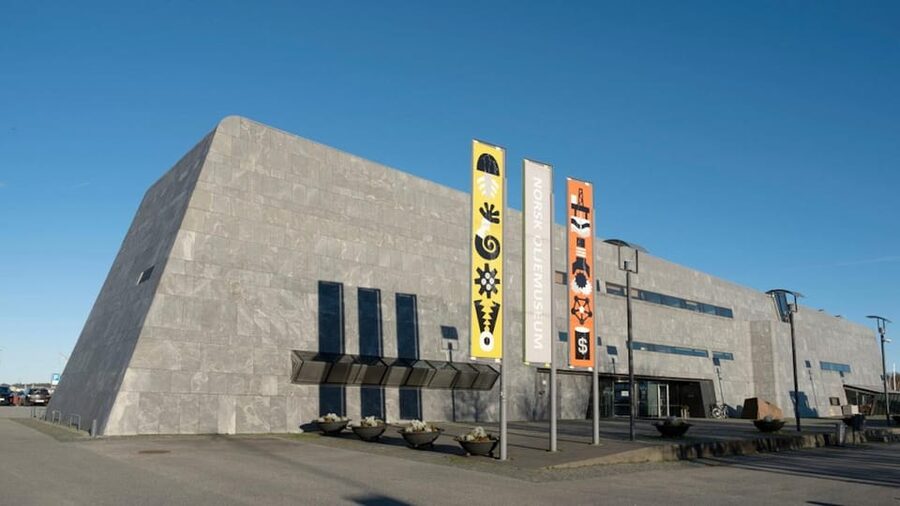
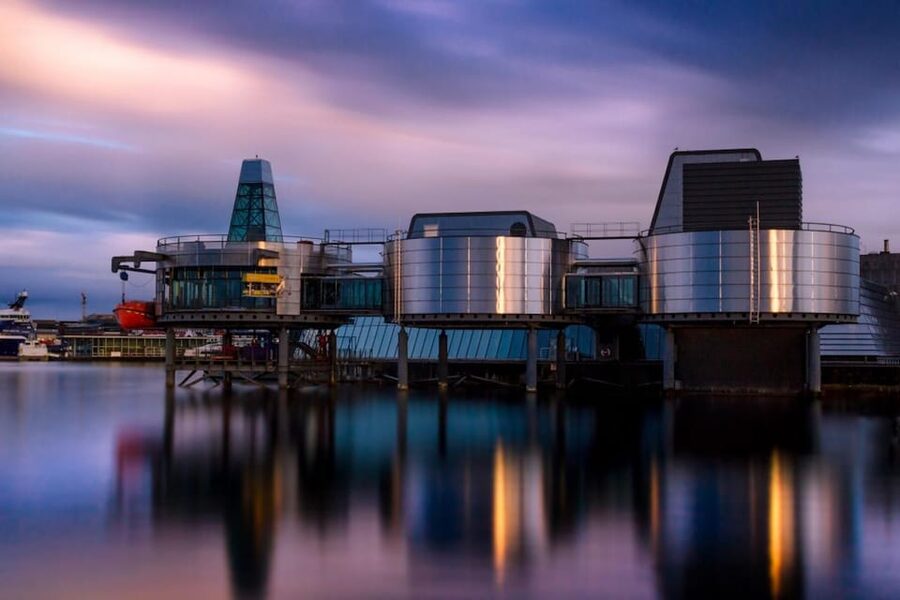
The Norwegian Petroleum Museum sits in Stavanger city center, close to Vågen, the harbor area where many visitors already spend time. That location makes it easy to add the museum to a walking day in central Stavanger without arranging a separate excursion or transport.
If you’re driving, Jorenholmen is the suggested parking choice. Pick-up and drop-off services are not included, so you’ll need to make your own way there. The central location is a real advantage for cruise passengers, families staying in town, and anyone looking for a weatherproof activity.
Allow at least a couple of hours if you want to read the displays, watch the film, and give children time in the activity areas. Your ticket is valid for one day, so you have plenty of room to set your own pace. The experience does not follow a guided group itinerary. You explore the museum independently, with English and Norwegian available.
More museums:
- Kon-Tiki Museum Entrance Ticket
★ 4.5 · 1,096 reviews - Oslo: Paradox Museum Entry Ticket
★ 4.3 · 799 reviews - The Fram Museum Admission Ticket
★ 4.5 · 490 reviews
Starting with oil beneath the seabed
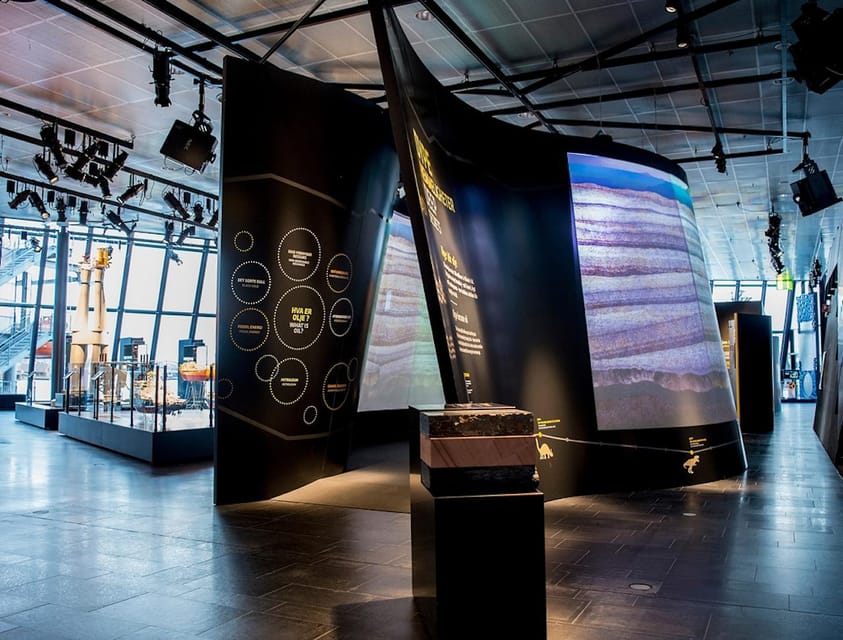
The museum’s basic story begins below the water, before anyone drills a well. You’ll learn how oil and gas are formed and why these resources can exist beneath the seabed. This opening section gives you the foundation needed to understand everything that follows.
I like this approach because petroleum can seem like a distant, technical subject. Here, the museum breaks it into understandable steps. You can connect the natural formation of oil and gas with the human work required to find and extract them.
The displays use models, original objects, films, and interactive elements. That mix matters. A text panel can explain a drilling process, but a model gives you a clearer sense of how the equipment operates and how much engineering is involved.
The museum also shows how resources are found. This is an important part of the story that is easy to skip in a simple oil exhibit. Exploration comes before production, and the museum helps you see the chain from geological clues to offshore operations.
Seeing how offshore production works
The next part explains drilling and production on the Norwegian continental shelf. You’ll get a practical look at the technology used in offshore operations and the changes that made petroleum Norway’s most important industry.
The exhibits present technological progress as a long process rather than a single breakthrough. Models and objects help show how equipment, working methods, and offshore systems developed over time. You may find this section most rewarding if you enjoy engineering, machines, or the practical problems of working at sea.
I also like that the museum keeps the human scale in view. Offshore production is not only about platforms and pipes. It involves difficult working conditions, major safety concerns, and systems designed to deal with emergencies. The rescue chute and catastrophe room give younger visitors something physical to explore, while also introducing the risks linked to offshore work.
The catastrophe room may be especially effective for families because it turns safety into something concrete. It is not simply a display of equipment. It gives you a sense that offshore technology developed in response to real dangers and demanding conditions.
Understanding oil’s effect on Norwegian society
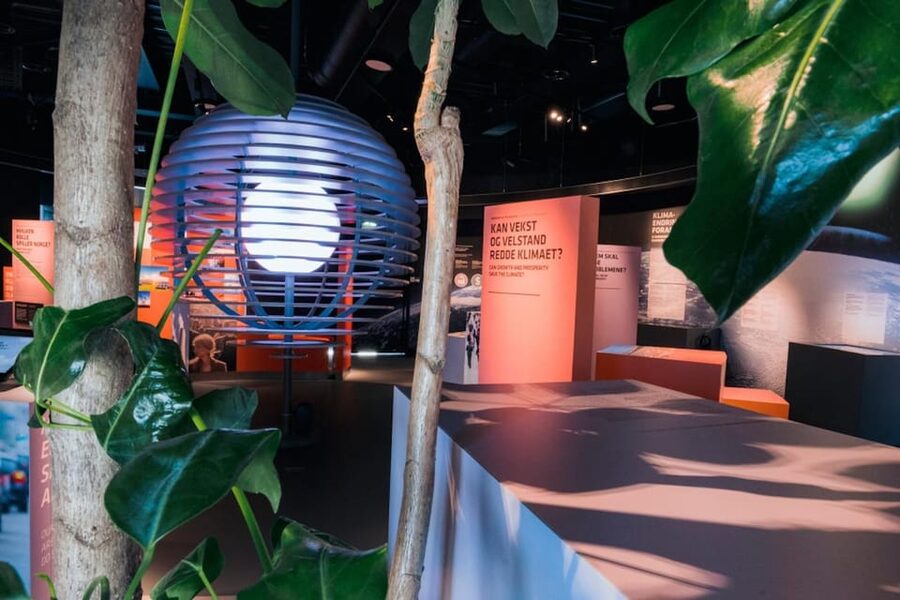
Petroleum changed far more than Norway’s energy sector. The museum explains how oil revenue affected Norwegian society, helping you connect offshore production with the country you see today.
This social section adds needed context. Without it, the museum could become a technical account of drilling rigs and production systems. Instead, you can consider how a resource beneath the seabed shaped national prosperity and public life.
The historical details are one of the museum’s most appealing features. Small objects and period material help make the story feel less abstract. The museum does not limit itself to large machines. It also shows the details of an industry and a society changing together.
If you are visiting Stavanger to understand the city, this part is particularly useful. Stavanger is closely tied to Norway’s petroleum era, and the museum gives that connection a clear setting. You leave with more than a basic definition of offshore operations. You gain a better idea of why the industry matters to Norway’s economy and identity.
A few more trips worth weighing up
- Stavanger: Scenic Fjord Cruise to Lysefjord and Preikestolen
★ 4.6 · 5,791 reviews - Stavanger: Fjord Cruise to Lysefjord and Pulpit Rock
★ 4.8 · 1,357 reviews - From Stavanger: RIB Tour to Lysefjord
★ 4.9 · 1,288 reviews - From Stavanger: Lysefjord Sightseeing RIB Boat Tour
★ 4.9 · 821 reviews
Facing global warming without avoiding the hard questions
The museum does not present petroleum only as an economic success story. It also addresses greenhouse gas emissions, global warming, and the climate challenge affecting the world.
That balance is important. You can learn why oil and gas became so important to Norway while also considering the cost of continued fossil fuel use. The climate displays give the visit a present-day purpose, rather than treating petroleum as a closed chapter.
I appreciate this two-sided structure. It encourages you to think about technology, wealth, energy, and environmental pressure together. The subject can be politically charged, but the museum’s role is to explain the industry and its effects so you can form your own view.
This section may feel more serious than the family activities, and that is appropriate. If you arrive expecting only machines and industry history, the climate material may broaden your visit in a useful way. If you are mainly interested in light entertainment, this part may slow the pace. The museum is at its best when you give both sides of the story proper attention.
Making time for Oilkid
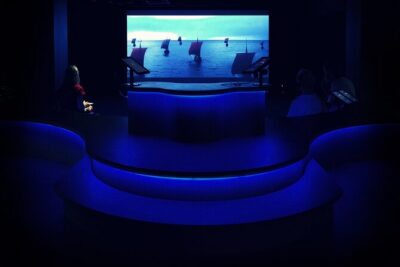
Make sure you see the museum film Oilkid. It focuses on growing up during a time of change, adding a personal and social angle to the larger petroleum story.
A film like this helps connect national development with everyday life. The exhibits explain systems and technology, while Oilkid brings the period closer to an individual experience. It is a good reason not to rush through the museum.
Check the museum’s current film timing when you arrive, since the information provided does not give a specific schedule. If the film is important to you, plan your visit with enough flexibility to include it.
Family activities beyond the display cases
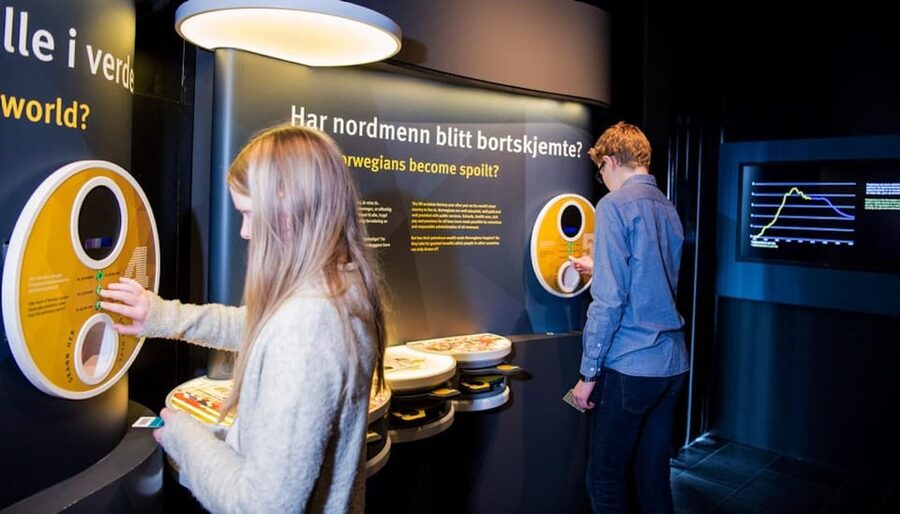
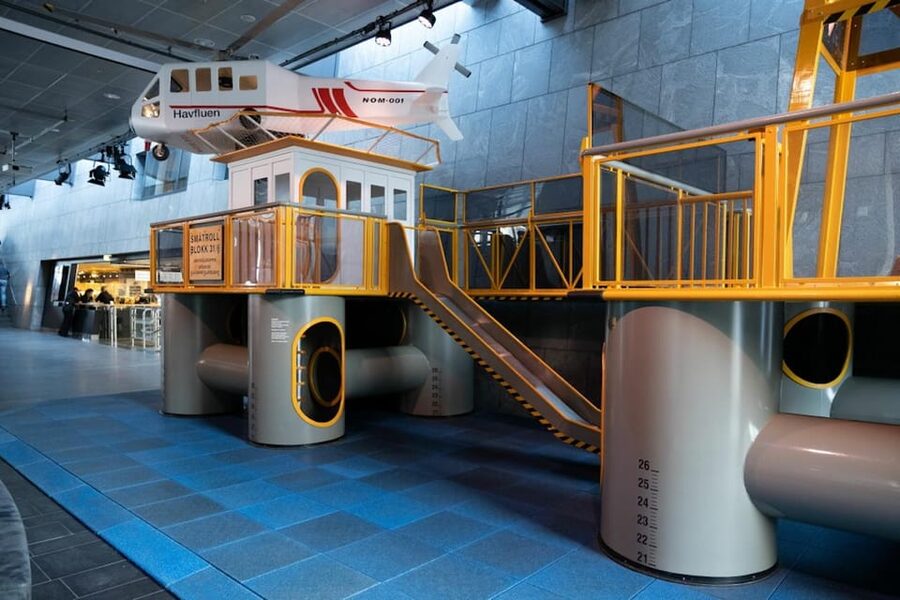
Children and teenagers have several ways to take part. The rescue chute, catastrophe room, interactive games, and play platform all make the museum more active than a standard collection of information panels.
The play platform is designed for little children, with space to slide, play, and climb. That makes the museum easier to enjoy as a family because younger children do not have to spend the entire visit standing quietly beside adults.
The picture quiz is another smart feature. The whole family can search the exhibitions for details and answer questions together. It turns looking closely into a shared task rather than leaving adults to read while children wait.
I would give children time to use the activity areas instead of treating them as quick extras. The family experience works best when you divide the visit into learning and play. Older children may prefer the interactive games and technical displays, while younger ones will likely get more from the play platform and physical activities.
One consideration: the museum is educational, and some parts require attention and reading. Very young children may enjoy the activity areas more than the petroleum explanations. That is not a flaw, but it helps to set expectations before you arrive.
How long should you spend here?
The ticket is valid for one day, but most people will not need a full day unless they read every display in detail and spend a long time with the family activities. A shorter visit can cover the main story, but rushing will make the museum feel less rewarding.
I would plan a flexible visit rather than a strict timetable. Start with the petroleum basics, continue through offshore technology and Norwegian society, then allow time for the climate displays and Oilkid. Families should add extra time for the play platform, rescue chute, interactive games, and picture quiz.
The museum’s one-day validity is helpful if you want to leave for lunch and return later, though meals are not included. You can fit it around other plans in central Stavanger instead of committing to a fixed tour departure.
Opening hours and seasonal planning

From June 1 through August 31, the museum is open daily from 10:00 to 19:00. That long summer schedule gives you useful flexibility, especially if you are combining the visit with time around Vågen.
From September 1 through May 31, hours are Monday through Saturday from 10:00 to 16:00, and Sunday from 10:00 to 18:00. The shorter weekday schedule makes an early start more important outside summer.
The museum closes on December 24, December 25, December 31, and January 1. At Easter, it is closed on Good Friday and Easter Sunday, and it is also closed on May 17. Check the date carefully if your Stavanger visit falls near a holiday.
The museum is wheelchair accessible. English and Norwegian are available, and the host or greeter service is offered in those languages. That makes the visit more approachable for international visitors, though the experience is primarily self-guided.
Is $19 a fair price?
At $19 per person, the ticket is a reasonable buy for a central Stavanger museum with interactive exhibits, films, family activities, and enough content for a substantial visit. The value improves if you use the museum as a two or three-hour stop rather than simply walking through the entrance and leaving.
You are paying for access to the full museum, not a guided tour, meal, or transportation. If you need a host to explain every display, this may not be the right format. If you enjoy learning at your own pace, the independent setup gives you more control.
The museum’s strong 4.8 rating from 78 ratings fits its main strengths: clear explanations, enjoyable presentation, and historical details that make the subject more interesting. The central location also saves time and transport costs compared with an attraction outside Stavanger.
For families, the value is especially good because the museum serves different ages at once. Adults can follow the petroleum and climate story, older children can use the interactive exhibits, and younger children have a play area. That combination can make the $19 ticket easier to justify than a museum aimed at only one age group.
Who will enjoy this museum most?
I would recommend it most to visitors who want context for modern Norway. It is useful if you are curious about how offshore operations work, how oil and gas are located, or how petroleum revenue changed society.
Families should also put it high on their list, particularly on a rainy day. The physical activities and picture quiz give children an active role, while the main exhibitions offer enough substance for adults.
The museum suits engineering fans, energy students, history-minded visitors, and anyone interested in the climate debate. It is less suitable if you want scenic views, traditional art, or a purely recreational attraction.
You do not need specialist knowledge before arriving. The museum explains the subject from the beginning, using objects, models, films, and interactive displays. A little patience will reward you, especially in the sections about drilling, production, and climate effects.
Should you book the Norwegian Petroleum Museum?
Yes, if you want a clear and family-friendly explanation of why petroleum matters to Norway. I particularly like the simple presentation of oil formation and extraction, the useful historical details, and the way the museum places economic success beside global warming and greenhouse gas concerns.
Book it if you are already spending time in Stavanger center, traveling with children, or looking for an indoor activity with real substance. Plan around the seasonal opening hours, park at Jorenholmen if driving, and allow enough time for Oilkid and the interactive areas.
Skip it only if your interests lie elsewhere, such as art, architecture, or outdoor scenery. For most visitors wanting to understand Stavanger and modern Norway, $19 buys a thoughtful, hands-on museum visit with enough variety to keep both adults and children occupied.
FAQ
Where is the Norwegian Petroleum Museum located?
The museum is in Stavanger city center, close to Vågen harbor in Rogaland, Norway.
How much does entrance cost?
The entrance ticket costs $19 per person.
How long is the ticket valid?
The ticket is valid for one day. Check availability for the available starting times.
Is the museum open all year?
Yes, the museum is open all year, with special holiday closures. It is closed on December 24, December 25, December 31, January 1, Good Friday, Easter Sunday, and May 17.
Is the museum suitable for children?
Yes. Children and teenagers can use the rescue chute, catastrophe room, interactive games, picture quiz, and play platform with climbing, sliding, and play areas.
Can wheelchair users visit the museum?
Yes, the museum is wheelchair accessible. Language support is available in English and Norwegian.
Just added around Stavanger
- Discover Private+ Stavanger Guided City Tour★ 4.8 · 5 reviews
- Guided hike to Florli 4,444 steps★ 5.0 · 5 reviews
- Stavanger: Guided Sunrise Hike to Pulpit Rock★ 4.2 · 5 reviews
- Boat Cruise to Lysefjorden and The Pulpit Rock, Fixed tour price★ 5.0 · 6 reviews
- Discover Sensational Stavanger: Self-Guided Audio Tour★ 3.5 · 7 reviews
- Stavanger: 5-Hour Fishing Trip with Equipment and Guide★ 3.1 · 8 reviews
- The Pulpit Rock Air★ 4.5 · 8 reviews
- Stavanger Private Safari and Fishing’s★ 5.0 · 8 reviews
Museums, compared.



Troll Museum Entry Ticket with AR Media Experience
Read our review →

Aksla-Alnes-Giske-Sunnmøre museum 100 % Highlights 4.5 H
Read our review →Browse the lists this tour appears in