

Reviewed · MUSEUMS
Oslo: Munch Museum Admission Ticket
The Scream is only part of the story. This two-hour visit to Oslo’s Munch Museum gives you a close look at Edvard Munch’s paintings, prints, and sketches, while tracing the ideas behind his work. I especially like the chance to see The Scream and Madonna, and I appreciate how the museum connects Munch’s art to his life, emotions, and changing style. The main catch is timing: The Scream may appear only at set intervals, so you might not see every version during a short visit.
I also like the practical flexibility. Tickets cost $39 per person, cancellation is free up to 24 hours before the visit, and you can reserve now and pay later. Bring your passport or ID card, but leave large bags and luggage behind. The ticket sent by email the day before is the one you need at the entrance, not the original booking confirmation.
In This Review
- Key points to know before you go
- Why The Scream is only the beginning
- Seeing The Scream without rushing
- Madonna and Munch’s recurring ideas
- Following Munch’s creative process
- The late 19th and early 20th century setting
- Planning a two-hour visit at the museum
- Is $39 a fair price?
- Who will enjoy this experience most?
- What to bring and what to watch for
- Should you book the Munch Museum ticket?
- FAQ
- Where is the Munch Museum ticket experience located?
- How long does the museum visit take?
- How much does admission cost?
- What does the ticket include?
- Do I need to bring identification?
- Can I bring luggage or a large bag?
- Which email should I show at the entrance?
- Is the museum wheelchair accessible?
- Can I cancel the ticket?
Key points to know before you go
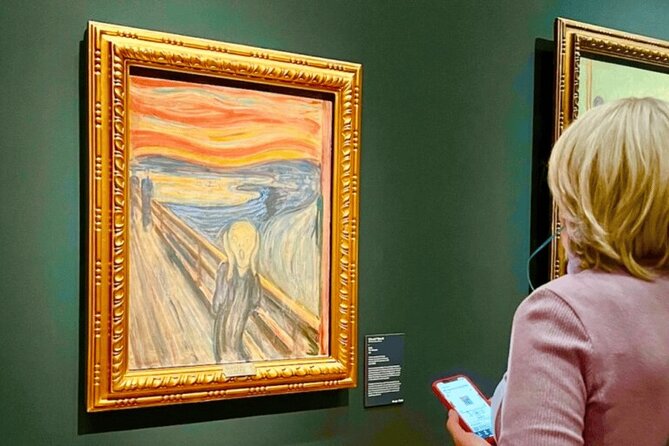
- Three versions of The Scream may rotate every 30 minutes, so check the timing once you arrive.
- Madonna is another major highlight, giving you a fuller picture of Munch beyond his most famous image.
- The collection includes paintings, prints, and sketches, so you can follow both finished works and working ideas.
- A two-hour visit is a sensible target, especially if you want time for Munch’s life and creative process.
- The $39 ticket is best value for art lovers, since the main benefit is access to a focused collection rather than a guided tour.
- The museum is wheelchair accessible, but large bags and luggage are not allowed.
Why The Scream is only the beginning
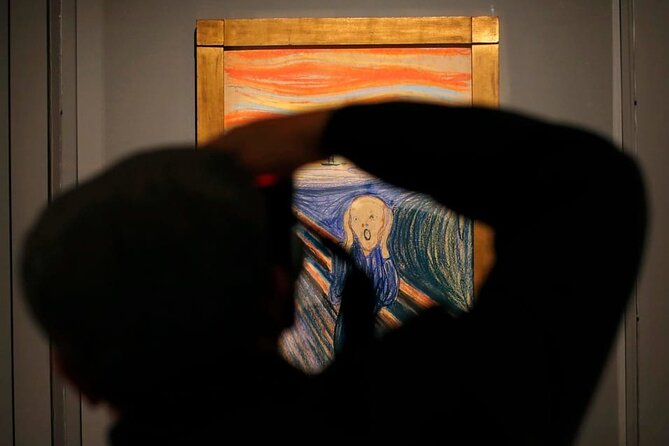
Most people arrive at the Munch Museum with one picture in mind. The Scream is so familiar that it can feel less like a painting and more like a symbol, printed on posters, shirts, and souvenirs around the world. Seeing it in the setting devoted to Edvard Munch gives the work a different weight.
The picture is not simply about a person shouting. Munch’s art often deals with fear, loneliness, love, death, and the uneasy parts of being human. The museum gives you a chance to consider those themes across many works, instead of treating The Scream as an isolated masterpiece.
I like this approach because it prevents the visit from becoming a quick photograph-and-leave stop. You can see how the same concerns appear in different forms, colors, and techniques. A painting may feel raw and immediate, while a print or sketch can show Munch testing an idea before returning to it.
The museum’s collection includes vivid paintings, haunting prints, and evocative sketches. That mix matters. Paintings show Munch’s use of color and surface, while prints reveal how he repeated, altered, and reworked images. Sketches offer a more direct look at his hand and thought process.
You should give yourself time to look beyond the largest or most famous works. Munch’s importance comes from the way he returned to emotional subjects again and again, experimenting with how to show them. The museum makes that process easier to understand.
More Museums in Oslo
- Kon-Tiki Museum Entrance Ticket
★ 4.5 · 1,096 reviews - Oslo: Paradox Museum Entry Ticket
★ 4.3 · 799 reviews - The Fram Museum Admission Ticket
★ 4.5 · 490 reviews
Seeing The Scream without rushing
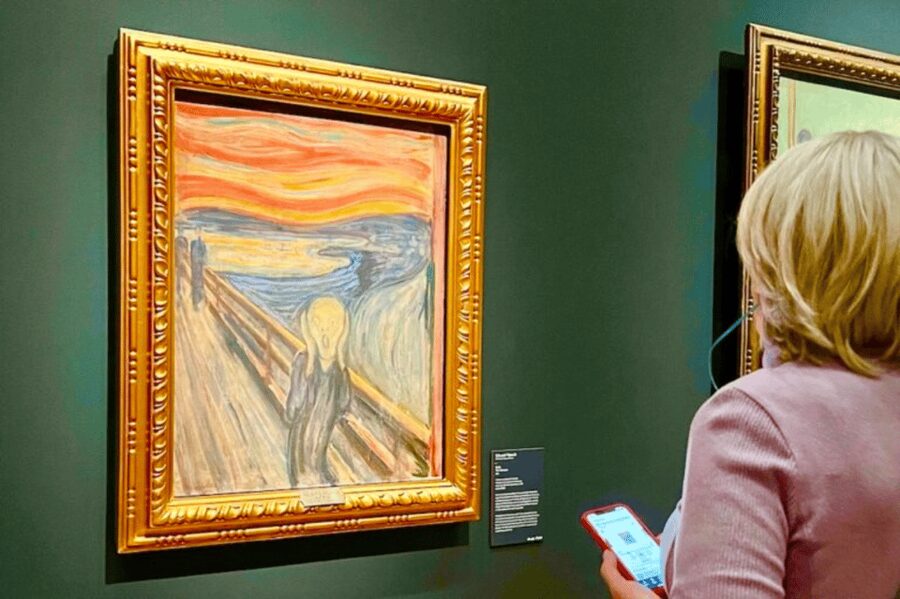
The most useful practical detail is that three versions of The Scream may be shown on a rotation of about every 30 minutes. That means you should not assume that one quick glance at the display tells the whole story.
If The Scream is not on view when you arrive, check the next presentation time before moving on. A two-hour visit gives you enough room to see other galleries and return later, instead of standing around and losing time at the beginning.
The rotation also changes how you think about the work. You may see different versions during separate visits to the display, and small differences in color, line, or surface become more noticeable when you know that Munch made more than one version.
I would treat The Scream as an anchor for your visit, not its entire purpose. See it, note how the work affects you in person, then move on. The museum becomes much more rewarding when you compare that famous image with Munch’s other treatment of anxiety, desire, sorrow, and isolation.
The timing can be a drawback if you have only a very short window in Oslo. A rushed visit might leave you frustrated if the work is not being shown at the moment you enter. For that reason, a full two hours is a wise allowance.
Madonna and Munch’s recurring ideas
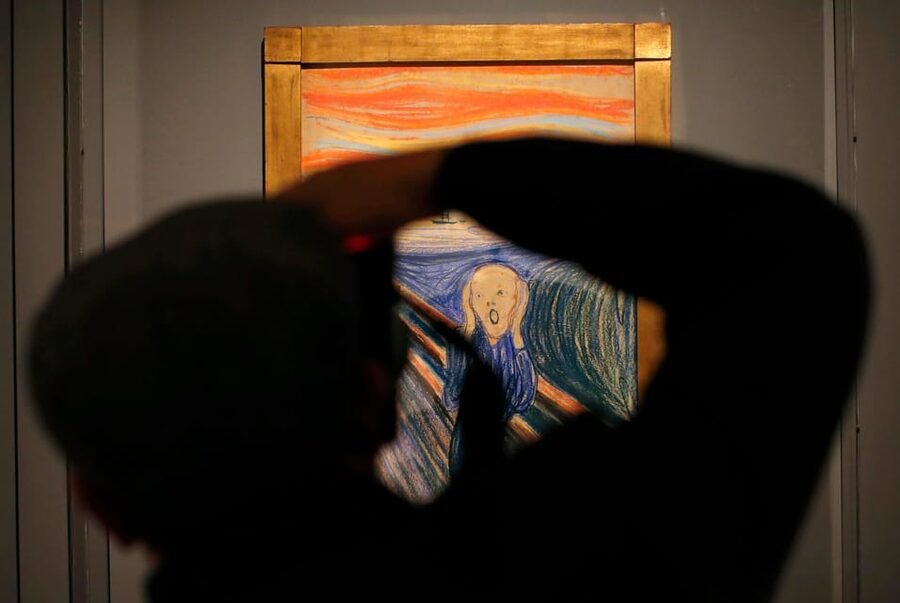
Madonna is another key work to look for. Its title connects the image to a familiar religious subject, but Munch’s treatment reflects his interest in desire, vulnerability, and the complicated ties between people.
I find this pairing useful. The Scream is associated with panic and existential fear, while Madonna encourages you to think about intimacy, attraction, and the human body. Together, they show why Munch cannot be reduced to one dark expression.
The museum is dedicated to Munch’s life work, so you can place these major pieces alongside other paintings and graphic works. You may notice repeated figures, moods, or visual ideas. The point is not to identify every detail, but to see how Munch revisited subjects over time.
That repeated attention to the same emotional ground is one of the most interesting parts of the visit. Many artists change subjects constantly. Munch often returned to the same inner concerns, testing different ways to express them.
You do not need a background in art to follow this. The themes are direct, even when the images are unsettling. If you have ever felt anxious, lonely, in love, or uncertain, you have an entry point into Munch’s work.
Following Munch’s creative process
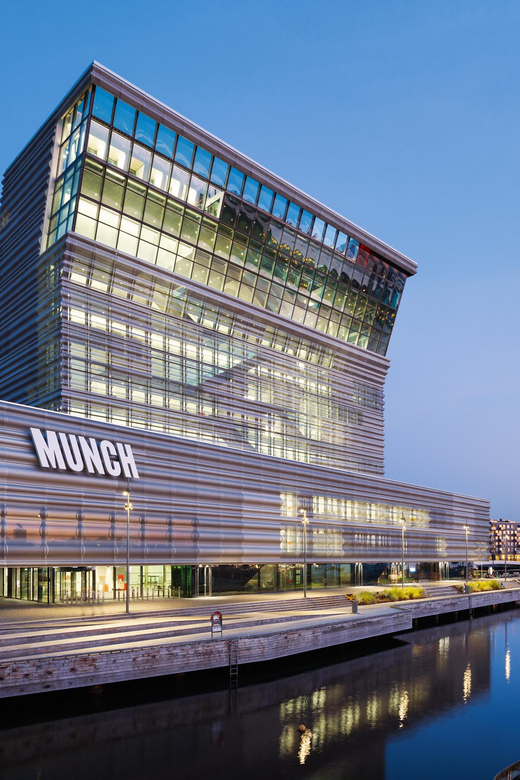
The museum’s paintings are only one part of the experience. Prints and sketches help you see Munch as an artist at work, not just as the creator of finished icons.
A sketch can look incomplete, but that is its value. It may show the early shape of an idea, the placement of a figure, or a mood that later appears in a more finished form. Prints are also important because they reveal Munch’s willingness to repeat and adjust an image rather than treat one version as final.
I like this side of the collection because it makes experimentation visible. You can think about how an artist changes line, color, and composition while trying to get closer to an emotional effect.
Munch’s experiments helped change modern art by placing feeling and personal experience at the center of the image. His work does not always aim for a polished or comfortable result. Instead, it can feel exposed, rough, or deliberately unsettled.
That quality may appeal to you if you enjoy art that raises questions rather than offering a neat answer. It may be less satisfying if you prefer realistic scenes, calm subjects, or a traditional chronological presentation.
A completely different kind of day out from Oslo:
- Oslo: Scenic Fjord Cruise with Audio Guide Commentary
★ 4.5 · 5,375 reviews - Oslo Nature Walks: Island Hopping Tour
★ 4.8 · 2,713 reviews - Oslo: 100% Electric Oslofjord Sightseeing Cruise
★ 4.4 · 2,041 reviews - Oslo: Fjord Evening Cruise with Shrimp Buffet
★ 4.5 · 1,956 reviews
The late 19th and early 20th century setting
Munch worked during a period of major artistic change in Europe. The museum helps you connect his work with that wider cultural setting, when artists were questioning older rules about beauty, realism, and subject matter.
You can see Munch’s art as part of a shift toward the inner life. Instead of showing only what a person looks like, he often focused on what a person feels. That choice helped open the door to later modern art.
The value of this context is practical. Without it, a distorted face or unusual color scheme might seem merely strange. With it, you can understand that Munch was testing a different purpose for art. He wanted images to carry emotional force, even when that meant bending ordinary appearances.
The museum also gives you a way to connect Munch’s personal journey with his creative development. His work reflects serious thoughts about life, love, suffering, and death. You do not need to know every event in his biography to see that his experiences shaped his subjects and tone.
I recommend moving through the galleries with one simple question: what feeling is Munch trying to make visible here? That question often works better than asking whether you like a particular image.
Planning a two-hour visit at the museum
The stated duration is two hours, and I think that is a useful guide rather than a strict rule. You can see the principal works in that time, but your pace will depend on how closely you study the art.
A practical visit might look like this:
- Start by checking when The Scream is scheduled to appear.
- See The Scream and Madonna without rushing through them.
- Spend time with the paintings to understand Munch’s recurring subjects.
- Look at the prints and sketches for clues about his working methods.
- Return to The Scream if the rotation gives you another opportunity.
- Finish by considering how Munch’s style changed across the collection.
The museum is in Oslo Municipality, in the heart of the Norwegian capital. The activity does not include a guide, transportation, or any extra service. Your ticket provides admission, so the quality of your visit depends on how much time and attention you bring to the galleries.
That is not a criticism. A self-guided museum visit lets you set your own pace. You can spend five minutes with a major painting or stay much longer if it speaks to you. For an art museum focused on one artist, that freedom is useful.
Still, you should arrive with realistic expectations. This is not a guided lecture about every stage of Munch’s career. If you want detailed commentary throughout the visit, you will need to read the available museum information carefully or arrange separate guidance, which is not included here.
Is $39 a fair price?
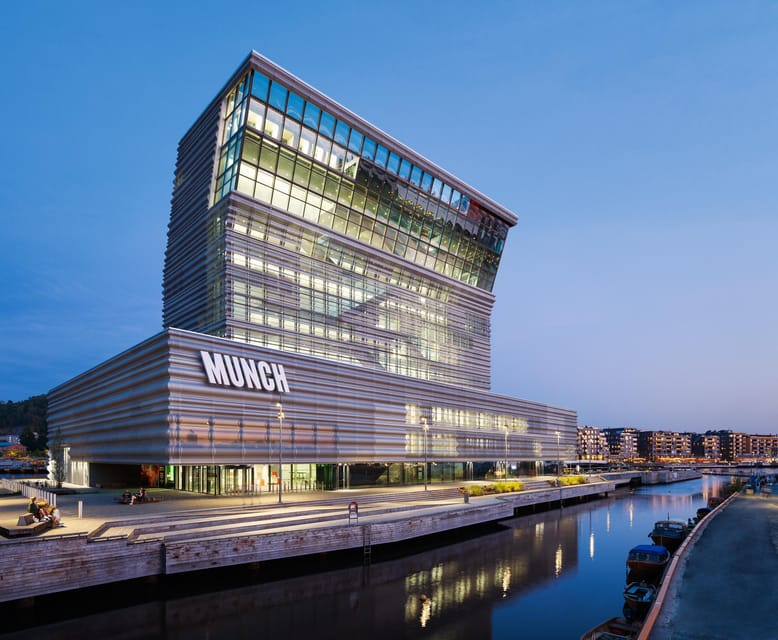
At $39 per person, this is not a casual, bargain-priced attraction. The value depends on how much interest you have in Munch and modern art.
I think the price is reasonable if The Scream, Madonna, and Munch’s artistic development are high on your Oslo list. You are paying for access to a museum centered on one of Norway’s most important artists, with the chance to see major works and a broad selection of paintings, prints, and sketches.
The ticket is less compelling if you are looking only for a quick look at The Scream. The timed rotation can make a short visit awkward, and one famous work alone may not justify the cost for everyone.
The flexible booking terms improve the value for an uncertain schedule. You can reserve a place and pay later, and you can cancel up to 24 hours in advance for a full refund. Those options are useful when your Oslo plans may change.
I would also factor in the quality of the visit you want. If you enjoy reading, comparing works, and thinking about an artist’s methods, two hours can feel well spent. If you prefer to move quickly from sight to sight, the museum may seem expensive for the amount of time you choose to stay.
Who will enjoy this experience most?
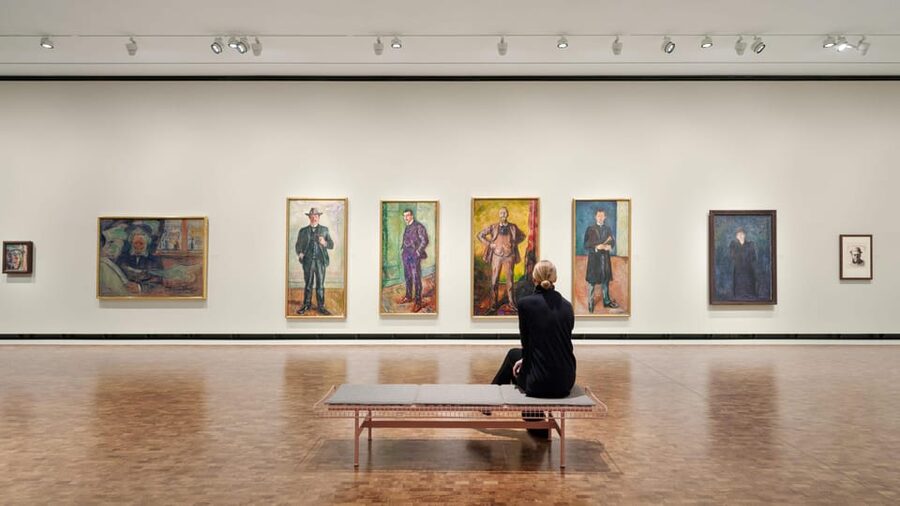
This museum suits anyone who wants more than a single famous image. I would recommend it to art lovers, visitors interested in Norwegian culture, and people curious about how modern artists began giving emotional life a central role.
It also works well for first-time museum visitors who know The Scream but not much about Munch. The familiar work provides an easy starting point, and the rest of the collection gives you a broader understanding of the artist.
The visit may also suit families with older children or teenagers, especially those interested in unusual art and strong emotions. Munch’s subjects are serious, so younger children may not connect with the collection in the same way.
You should think twice if your Oslo schedule is extremely tight. The museum needs time, particularly if you want to allow for The Scream’s rotation. It is also not the right choice if you want a guided group activity or an attraction built around entertainment rather than quiet observation.
The museum is wheelchair accessible, which makes it a practical option for many visitors with mobility needs. Large bags and luggage are not allowed, so plan to arrive without them.
What to bring and what to watch for
Bring your passport or ID card. You should also keep an eye on your email because the valid entry tickets are sent the day before your activity date.
The GetYourGuide voucher confirms your booking, but it is not the document used to enter the museum. At the door, show the ticket sent by email. This small distinction could save you an unnecessary delay.
Leave luggage and large bags behind. The rules are clear, and arriving with too much to carry may make entry difficult.
Because the ticket is for admission only, you should not expect transportation, a personal guide, or a structured tour. I see that as a benefit if you like freedom, but a limitation if you want someone to explain every work as you go.
Should you book the Munch Museum ticket?
I would book this experience if you want to understand why The Scream matters, not merely stand in front of it for a quick look. The chance to see Madonna, prints, sketches, and other paintings gives you a much fuller view of Munch’s emotional subjects and changing methods.
I would be cautious if you have less than an hour or if your only goal is one specific version of The Scream. The rotation can require patience, and the $39 price makes more sense when you use the full two hours.
For most art-minded visitors spending time in Oslo, this is a worthwhile museum stop. Plan around the display schedule, bring the correct email ticket, and give Munch’s less famous works a fair chance. They are the part that turns a famous image into an artist’s story.
FAQ
Where is the Munch Museum ticket experience located?
The experience takes place at the Munch Museum in Oslo Municipality, Norway.
How long does the museum visit take?
The stated duration is two hours. Starting times vary, so you need to check availability for the date you want.
How much does admission cost?
The listed price is $39 per person.
What does the ticket include?
The ticket includes admission to the Munch Museum.
Do I need to bring identification?
Yes. You should bring a passport or ID card.
Can I bring luggage or a large bag?
No. Luggage and large bags are not allowed.
Which email should I show at the entrance?
Use the valid ticket sent by email the day before your activity date. The GetYourGuide booking voucher is only confirmation and is not valid for entry.
Is the museum wheelchair accessible?
Yes. The activity is wheelchair accessible.
Can I cancel the ticket?
Yes. You can cancel up to 24 hours in advance for a full refund. You can also reserve now and pay later.
Just added around Oslo
- Visit the Instaworthy Spots of Oslo’s Vigeland Park with a Local★ 5.0 · 4 reviews
- Oslo: 3-hour Cross Country trip with equipment and guide★ 5.0 · 4 reviews
- Oslo: 2-hour Christmas Private Walking Tour★ 3.0 · 4 reviews
- Art and Museum Tour of Oslo★ 5.0 · 4 reviews
- Flavors of Oslo: Food & Beer Tour★ 4.8 · 4 reviews
- Private Transfer from Oslo City Centre to Oslo Airport★ 5.0 · 4 reviews
- 3-Hour Vattkørt Beginner Kayak Course on Oslo Fjord★ 5.0 · 4 reviews
- Hipstoric Grünerløkka Private Walking Tour★ 5.0 · 4 reviews
Museums, compared.

Troll Museum Entry Ticket with AR Media Experience
Read our review →

Aksla-Alnes-Giske-Sunnmøre museum 100 % Highlights 4.5 H
Read our review →Browse the lists this tour appears in