
Reviewed · MUSEUMS
Oslo: Paradox Museum Entry Ticket
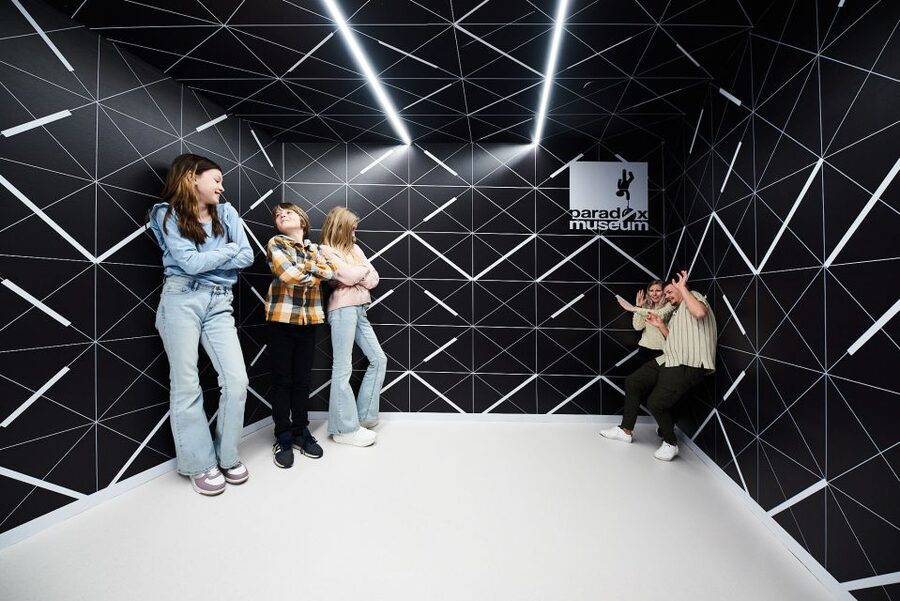
Your brain will get things wrong here. In central Oslo, the Paradox Museum turns perception, perspective, and simple physics into a hands-on collection of more than 70 exhibits. I like the clear photo points, which show you where to stand for the best effect, and I like that each illusion includes an explanation or QR code. The main drawback is value: at about $29 per person, it can feel expensive if you move quickly or visit alone.
This is a cheerful, easy-to-fit-in attraction for families, couples, friends, students, and curious adults. I also like the friendly staff, though help is not always available at every exhibit. Some visitors have spent close to two hours here, while others finished in less than one, so your pace and group size matter.
In This Review
- Key points to know before you go
- What Paradox Museum Oslo is really like
- Following the one-way route through the exhibits
- Optical illusions, perspective, and hands-on science
- Making the most of the photo points
- How long should you allow?
- Is $29 a fair price?
- Getting there from central Oslo
- Staff support and the role of the guide
- Who will enjoy this museum most?
- Accessibility and practical restrictions
- The Paradox Boutique on the way out
- Should you book Paradox Museum Oslo?
- FAQ
- Where is Paradox Museum Oslo located?
- How long does the visit take?
- How many exhibits are at Paradox Museum Oslo?
- Is the museum wheelchair accessible?
- Are food and drinks allowed inside?
- What languages are available?
- Can I cancel my booking?
Key points to know before you go
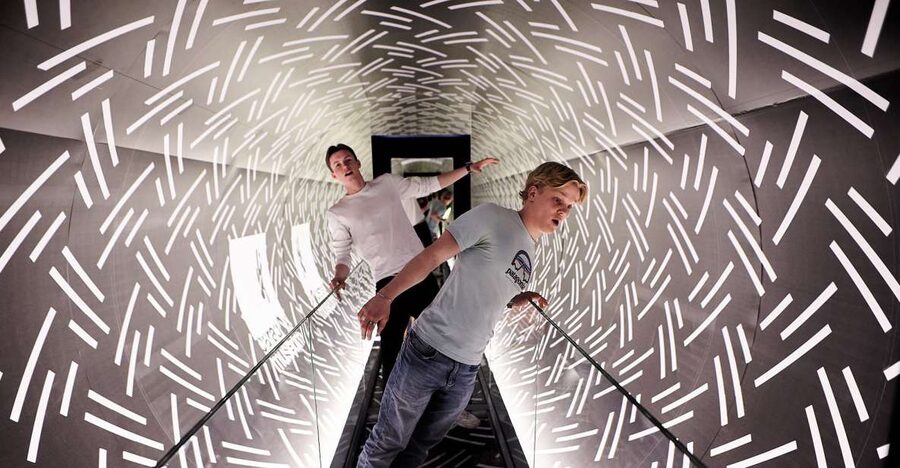
- More than 70 interactive exhibits: Expect optical illusions, perspective tricks, and hands-on rooms rather than traditional museum displays.
- Built for photographs: Clearly marked photo points help you find the intended camera angle, although staff may not be nearby to take the picture.
- A one-way route: Follow the signs from one installation to the next, which keeps the visit simple but limits your ability to circle back.
- About one hour for most visits: Groups with children or people taking many photos may stay longer.
- Central Oslo location: Nationaltheatret and Stortinget public transport stops are both only a couple of minutes away.
- Friendly but limited photo help: Staff have been praised for their welcome and assistance, but coverage varies around the museum.
What Paradox Museum Oslo is really like
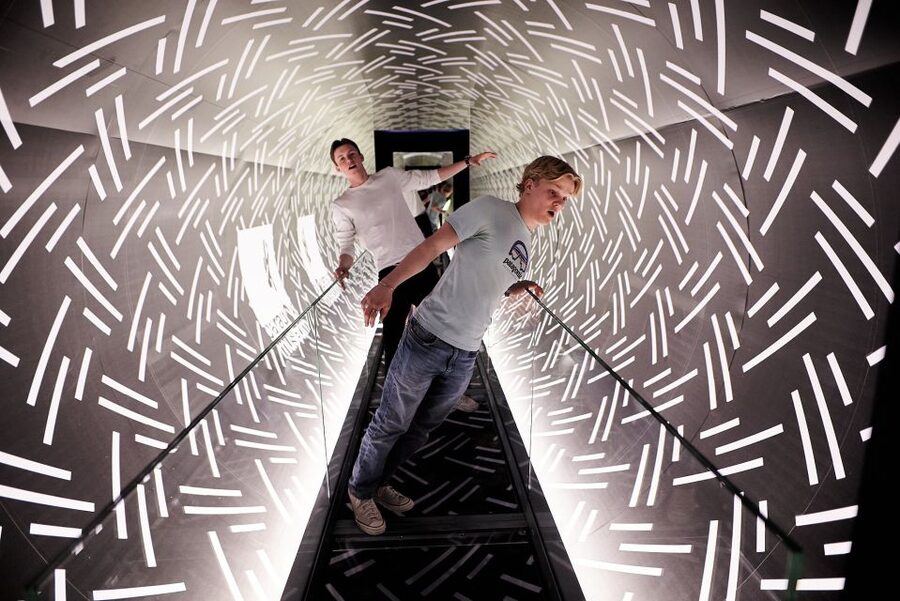
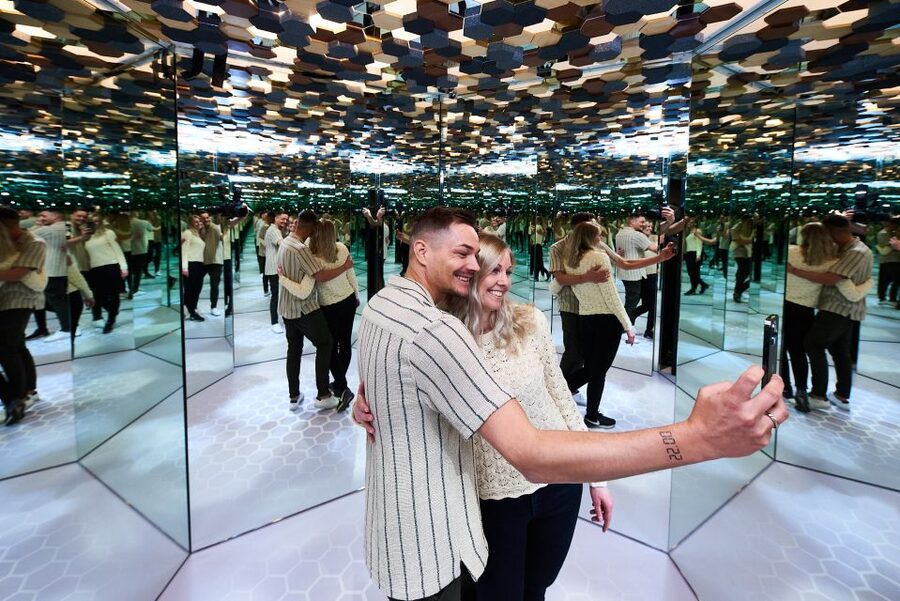
Paradox Museum Oslo is less a quiet museum and more a chain of visual puzzles. You walk through rooms and installations designed to make your eyes, balance, and sense of scale question what they are seeing.
The appeal is immediate. You do not need a background in science or art. You simply step into an exhibit, try to work out what is happening, and then read the short explanation. Some displays rely on familiar visual tricks, while others are arranged in a fresh and attractive way.
The museum describes its subjects as perception, physics, and perspective. That sounds serious, but the experience stays playful. You may be learning how a trick works one moment and posing for a funny photograph the next.
The exhibits are interactive, so this is not a place where you spend the entire visit reading labels. You are expected to look, move, test, and take pictures. That makes it a useful break from Oslo sightseeing, especially if your day has already included churches, galleries, or historic buildings.
More Museums in Oslo
- Kon-Tiki Museum Entrance Ticket
★ 4.5 · 1,096 reviews - The Fram Museum Admission Ticket
★ 4.5 · 490 reviews - Oslo: Oslo Discovery Tour with 2 Museums Included
★ 4.6 · 334 reviews
Following the one-way route through the exhibits
The visit follows a one-way flow. Signs direct you from one exhibit to the next, so you do not need to work out a map or decide what to see first.
That arrangement is helpful for a first visit. You can keep moving without worrying that you have missed a room. It also gives the museum a natural rhythm: try the installation, take a photo, read the explanation, then continue.
The tradeoff is flexibility. If you want to return to an exhibit after figuring out how it works, you may not be able to do so easily. That matters if you are visiting with children, since younger visitors often want to repeat their favorite tricks.
Give yourself time at the start to understand how the exhibits work. One person found the first few installations confusing until the pattern became clear. The museum is more enjoyable once you recognize that each display has a recommended position or action.
Optical illusions, perspective, and hands-on science
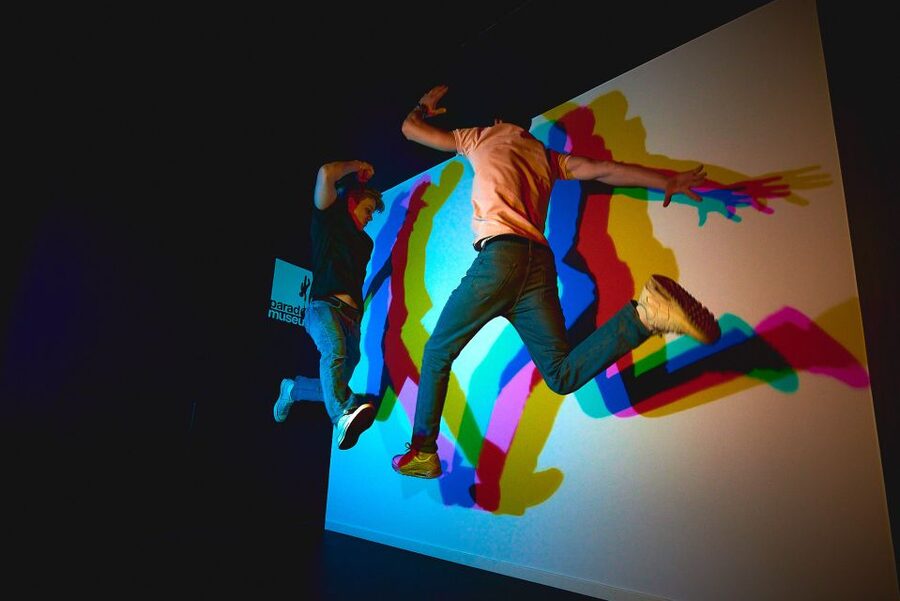
The core of the experience is visual trickery. You will see installations that alter your sense of size, direction, space, or balance. The exact impact depends on how willing you are to take part rather than simply look at the room.
The best exhibits are the larger ones that create an obvious change in perspective. These are the displays that tend to produce the strongest photographs and the biggest laughs. Smaller installations can be less memorable, and some may feel familiar if you have visited other illusion museums.
That is an important expectation to set. Paradox Museum Oslo does not present a new scientific discovery at every stop. Much of the visual trickery is based on ideas you may have encountered elsewhere. Its strength is the way the effects are gathered into one attractive, accessible collection.
Descriptions and QR codes explain how the paradoxes are achieved. Use them. Without the explanation, an exhibit can seem like a strange room or a clever photo backdrop. With the explanation, you understand how your brain fills in missing information and misreads what your eyes receive.
For children, that extra context gives the visit more value. They can enjoy the funny photographs while also learning that perception is not always reliable. For adults, the explanations add enough substance to keep the museum from feeling like a series of empty photo sets.
Making the most of the photo points
The clearly marked photo points are one of the museum’s most useful features. They tell you where to stand, which direction to face, or how to frame the image so the illusion reads properly.
This saves time and reduces the usual confusion inside a photo-based attraction. You do not have to guess why a room looks strange or ask someone else where to position the camera.
Still, you should plan to take many of your own photographs. Staff are not stationed at every exhibit. Several people appreciated help from the team, while others wished someone had been available in more rooms.
If you are visiting as a couple or with friends, take turns photographing each other. If you are alone, the experience can still work, but photo help becomes more important. Staff may assist when they are free, and one employee kindly offered to take pictures for a solo visitor, but this should not be treated as a guaranteed service at every stop.
The museum is clearly designed for social sharing, but you do not need to post anything to enjoy it. The photo points also help you understand the illusion, even if you leave your phone in your pocket.
A completely different kind of day out from Oslo:
- Oslo: Scenic Fjord Cruise with Audio Guide Commentary
★ 4.5 · 5,375 reviews - Oslo Nature Walks: Island Hopping Tour
★ 4.8 · 2,713 reviews - Oslo: 100% Electric Oslofjord Sightseeing Cruise
★ 4.4 · 2,041 reviews - Oslo: Fjord Evening Cruise with Shrimp Buffet
★ 4.5 · 1,956 reviews
How long should you allow?
The stated duration is one hour, and that is a fair planning figure for many people. A solo visitor moving briskly may finish in less than an hour, especially if they take only a few photographs.
Families and couples often need longer. Children may want to try an installation more than once, and adults usually spend extra time finding the right pose or camera angle. One detailed visit lasted about two hours, with the time passing quickly.
I would allow one hour and keep a little flexibility around it. If you have a flight, train, or restaurant booking, do not assume the visit will end exactly at the one-hour mark. If you are simply filling spare time in Oslo, the museum works well as a compact attraction.
A timed entry helps manage the flow. February was described as especially quiet, but the museum can still take time if several groups are photographing the same installation. Arriving about 10 minutes before your booked time gives you a sensible cushion for check-in.
Is $29 a fair price?
At $29 per person, Paradox Museum Oslo is not a bargain attraction. The price makes more sense when you visit with children, friends, or a partner and spend time using the installations, taking photographs, and reading the explanations.
The value weakens if you are alone, move quickly, or have already visited several similar illusion museums. Some displays are familiar, and a few may feel average beside the larger, more impressive installations.
Oslo is an expensive city, so the price is not surprising in context. Still, you should compare the ticket with the length of your visit. If you expect a focused hour of entertainment in a central location, it can be worthwhile. If you want a large museum with many hours of art or history, this is not that kind of attraction.
I would see it as a short, active experience rather than a major Oslo museum. The best value comes from treating it as a shared activity. The laughter, strange photographs, and chance to test the illusions together are a large part of what you are paying for.
Getting there from central Oslo
The museum is in Oslo Municipality, in the heart of the city. Nationaltheatret and Stortinget are the closest public transport stops, both only a couple of minutes away.
That central setting is useful when you are building a day of sightseeing. You can fit the museum between other attractions without spending much time on transport. Since transportation is not included, you make your own way there and show your ticket at the entrance.
The location also suits a short visit before another activity. If the weather turns poor, the museum gives you an indoor option without requiring a long journey across Oslo.
At check-in, arrive about 10 minutes before your booked time. Food and drinks are not allowed inside, so finish snacks and drinks before entering.
Staff support and the role of the guide
This is a self-guided experience rather than a standard guided tour. The available languages are English and Norwegian, and the explanations, signs, and QR codes provide the main guidance through the exhibits.
Staff have generally been described as warm, professional, and helpful. A staff member may show you how an installation works or take a photograph, and one named team member, Kseniia, received especially warm praise for making the visit memorable.
The level of assistance can vary. You may find help at one installation but not the next. A few exhibits can be confusing at first, and more staff on the route would make it easier to understand the trick and get the best photograph.
This is not a serious problem for most visitors because the photo points and explanations do much of the work. If you want personal instruction at every display, though, adjust your expectations. The museum provides access and guidance, not a dedicated host for your group.
Who will enjoy this museum most?
Families are a natural fit. Children of different ages can take part, and the hands-on format gives them something to do rather than simply something to see. Adults should enjoy it too, especially if they are happy to pose for silly photographs.
Couples and friends will get the most from the social side. Many of the exhibits make more sense when one person takes the photograph and another takes the pose. You can compare how each person reacts to the same visual trick.
Students and curious adults may appreciate the short science explanations. The displays offer a simple introduction to how perspective and perception shape what you think you see.
Solo visitors can have fun, but the experience requires more effort if you want photographs. You may need to ask another visitor or wait for a staff member. If your main goal is to collect memorable images, visiting with at least one other person is easier.
The museum is also useful for a rainy afternoon or a spare hour before a departure. It is not a replacement for Oslo’s major cultural attractions, but it gives you a change of pace.
Accessibility and practical restrictions
The museum is wheelchair accessible. The route is one-way, so you should follow the signs through the exhibition areas rather than moving freely between rooms.
Food and drinks are not allowed. Admission includes access to all exhibition areas and the Paradox Boutique, but transportation, food, and drinks are not included.
The experience is available in English and Norwegian. You can reserve your place and pay later, and cancellation is free up to 24 hours before the booked time for a full refund. These conditions are useful if your Oslo plans are still changing.
The Paradox Boutique on the way out
The Paradox Boutique is part of the visit and sells games, souvenirs, and keepsakes. It is a natural final stop after seeing how the illusions work.
The shop will appeal most to families and anyone looking for a small gift tied to the museum’s puzzles. You do not need to buy anything, but it gives children a clear ending to the visit and lets you take home a reminder of the experience.
Should you book Paradox Museum Oslo?
Book it if you want a fun, photo-friendly break in central Oslo, especially with children, a partner, or friends. The strongest exhibits are entertaining, the staff are often very kind, and the explanations add a useful educational layer.
Think twice if $29 feels high for about an hour, or if you have already visited several similar optical illusion attractions. Some displays are familiar, some may be less impressive, and photo assistance is not guaranteed at every point.
My practical advice is simple: book when you can share the experience, arrive 10 minutes early, bring a charged phone, and allow more than an hour if you plan to take lots of pictures. For a playful change from Oslo’s traditional museums, it is a good choice. For a long, in-depth museum visit, spend your money elsewhere.
FAQ
Where is Paradox Museum Oslo located?
It is in central Oslo, in Oslo Municipality, Norway. The closest public transport stops are Nationaltheatret and Stortinget, both a couple of minutes from the museum.
How long does the visit take?
The stated duration is one hour. Your visit may take longer if you are with children, repeat exhibits, read the explanations, or spend time taking photographs.
How many exhibits are at Paradox Museum Oslo?
The museum has more than 70 interactive exhibits covering optical illusions, perception, physics, and perspective.
Is the museum wheelchair accessible?
Yes, Paradox Museum Oslo is wheelchair accessible.
Are food and drinks allowed inside?
No. Food and drinks are not allowed inside the museum.
What languages are available?
The museum provides information and assistance in English and Norwegian.
Can I cancel my booking?
Yes. You can cancel up to 24 hours in advance for a full refund. You can also reserve now and pay later, which keeps your plans more flexible.
Just added around Oslo
- Visit the Instaworthy Spots of Oslo’s Vigeland Park with a Local★ 5.0 · 4 reviews
- Oslo: 3-hour Cross Country trip with equipment and guide★ 5.0 · 4 reviews
- Oslo: 2-hour Christmas Private Walking Tour★ 3.0 · 4 reviews
- Art and Museum Tour of Oslo★ 5.0 · 4 reviews
- Flavors of Oslo: Food & Beer Tour★ 4.8 · 4 reviews
- Private Transfer from Oslo City Centre to Oslo Airport★ 5.0 · 4 reviews
- 3-Hour Vattkørt Beginner Kayak Course on Oslo Fjord★ 5.0 · 4 reviews
- Hipstoric Grünerløkka Private Walking Tour★ 5.0 · 4 reviews
Museums, compared.

Troll Museum Entry Ticket with AR Media Experience
Read our review →


Aksla-Alnes-Giske-Sunnmøre museum 100 % Highlights 4.5 H
Read our review →Browse the lists this tour appears in