
Reviewed · MUSEUMS
Maihaugen Museum/The Norwegian Olympic Museum, Lillehammer.
History feels close here. Maihaugen gives you a full day of Norwegian culture in one place, with more than 200 buildings spread across eight centuries, from a 1200s stave church to ordinary homes from the 1900s. I especially like the chance to compare old farms with modern houses, and I like that the Norwegian Olympic Museum is included in the same ticket.
The main drawback is seasonal access. In winter, many open-air buildings may be closed, so the indoor museums can provide a stronger visit than the historic village. At about $19 per person, the admission is good value, but you should choose your season carefully if the old houses are your main reason for coming.
In This Review
- Key things to know before you go
- Why Maihaugen works better than a quick museum stop
- Begin at the Visitor Center
- Garmo stave church and the oldest buildings
- Meet the 20th century one decade at a time
- The indoor exhibitions explain the bigger picture
- The Norwegian Olympic Museum adds a modern Norwegian story
- The Norwegian Postal Museum is a summer bonus
- Summer is the best time for the complete Maihaugen experience
- Food, the shop, and the practical shape of the day
- Is $19 good value for one day?
- Who should visit Maihaugen?
- Booking and visit tips
- Should you book Maihaugen?
- FAQ
- Where is Maihaugen located?
- How long is the admission valid?
- What does the ticket include?
- Is the Norwegian Postal Museum open all year?
- Are all the historic houses open in winter?
- Is Maihaugen suitable for wheelchair users?
- Can I cancel my booking?
Key things to know before you go
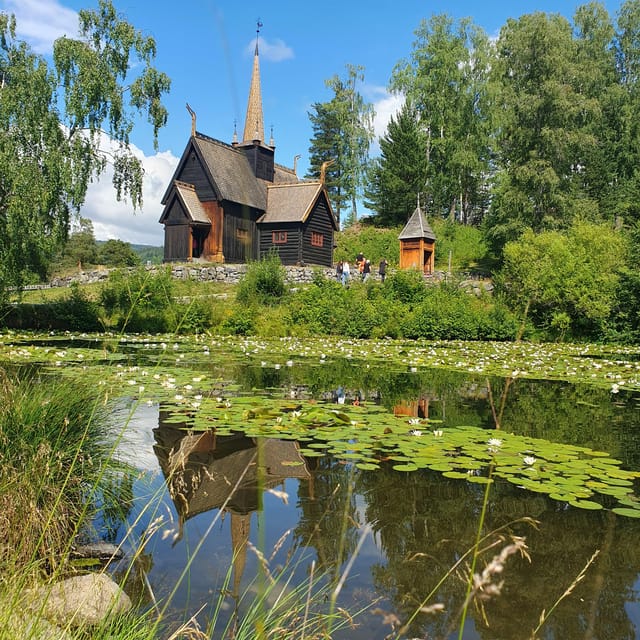
- Garmo stave church dates from the 1200s, giving you one of Maihaugen’s most memorable stops.
- More than 200 buildings cover eight centuries, including farms, workshops, churches, and homes from each decade of the 20th century.
- Summer brings the museum to life, with open houses, hosts, traditional crafts, animals, and extra places to eat.
- The Norwegian Olympic Museum is included, with special attention to Oslo 1952 and Lillehammer 1994.
- The Norwegian Postal Museum opens in summer, including an old train with a postal carriage.
- A full day makes sense, especially if you want time for both the outdoor grounds and indoor exhibitions.
Why Maihaugen works better than a quick museum stop
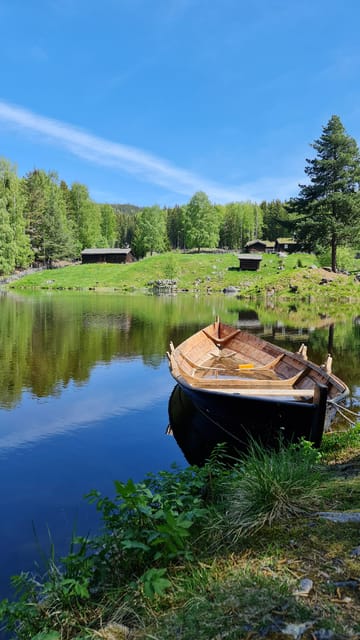
Maihaugen is not one building with a few display cases. It is a large cultural site where you move between indoor galleries, old farm buildings, town homes, and working spaces. The setting lets you see how Norwegian life changed over time rather than simply reading about it on a wall.
I like the broad sweep of the place. You can begin with rural buildings from the 16th, 17th, and 18th centuries, then move toward the homes of the 1900s. That simple progression helps you see changes in building materials, household design, work, and everyday habits.
The museum also gives you two very different kinds of history. The open-air section focuses on homes, farms, crafts, and community life. The indoor exhibitions explain Norway’s wider story, while the Olympic Museum shifts the focus to sport, national pride, and modern events.
That mix suits families and first-time visitors to Norway. You do not need to be an expert in architecture or social history to enjoy it. The buildings provide the visual interest, and the indoor displays help connect the pieces.
More museums:
- Kon-Tiki Museum Entrance Ticket
★ 4.5 · 1,096 reviews - Oslo: Paradox Museum Entry Ticket
★ 4.3 · 799 reviews - The Fram Museum Admission Ticket
★ 4.5 · 490 reviews
Begin at the Visitor Center
Your visit starts at the Visitor Center, where the entrance counter and hosts are located. This is the practical place to collect information, ask about open buildings, and get a sense of what is operating on the day you arrive.
Because Maihaugen changes with the seasons, I would make this first stop count. Ask which historic houses are open, where the indoor exhibitions are located, and if any activities or demonstrations are scheduled. In summer, the answer can be very different from the answer in January.
The site is open all year, but that does not mean every part operates in the same way throughout the year. Summer offers the fullest program. Winter can be quieter, but it may also mean fewer open houses and fewer staff in the outdoor section.
English is available from the host or greeter, and the activity is listed as wheelchair accessible. The information provided does not specify the condition of every path or building, so you may still want to ask at the entrance about the exact areas you hope to visit.
Garmo stave church and the oldest buildings
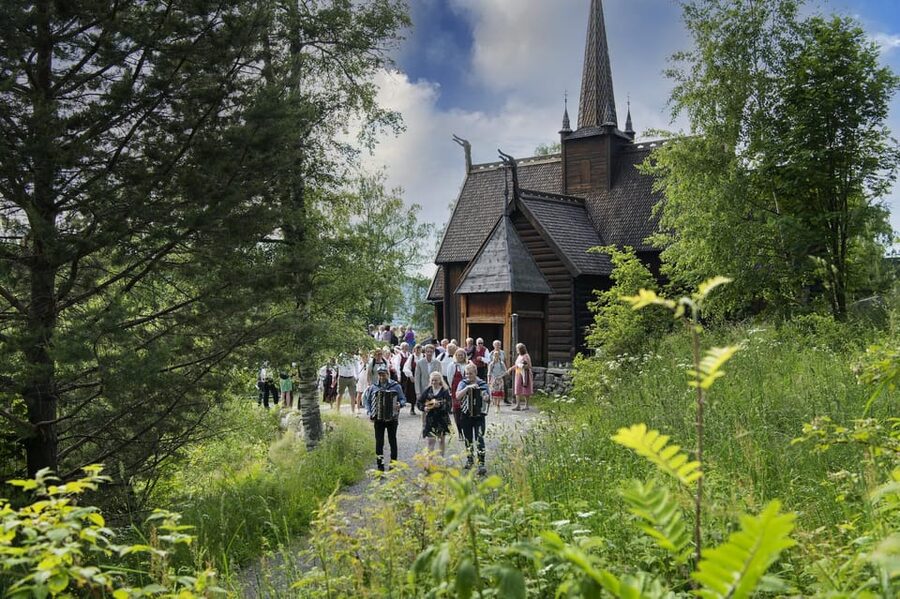
The Garmo stave church is likely to be the architectural highlight of your visit. Dating from the 1200s, it gives you a direct connection to medieval Norway and to a building tradition that is strongly associated with the country.
You should allow time to look closely rather than treating it as a quick photo stop. The church is valuable because it makes the age of the museum tangible. A date on a sign is easy to forget. A wooden church that has survived from the medieval period is much harder to ignore.
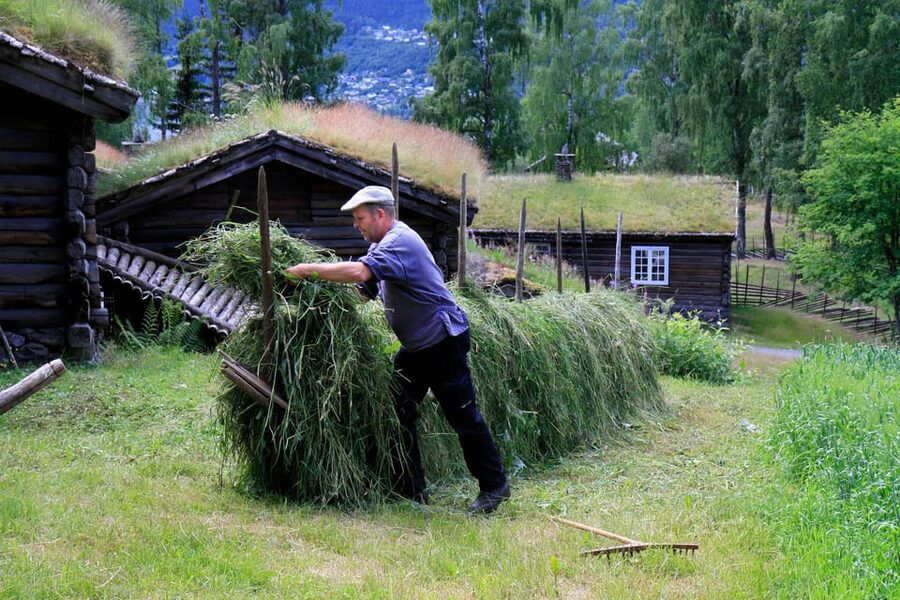
Around it, Maihaugen’s older farms help you picture rural life in earlier centuries. The farm buildings from the 16th, 17th, and 18th centuries show a Norway organized around agriculture, household work, storage, animals, and seasonal routines.
I find this section most useful when you compare several buildings instead of inspecting only one. Notice the scale of the homes, the relationship between working buildings, and the way the old farm areas are arranged. The buildings are not isolated antiques. Together, they suggest how families worked and lived.
During summer, animals graze among the sunburned wooden buildings in the mountain farm area. That detail adds movement and sound to a section that could otherwise feel static. It also helps children understand that these were working places, not simply attractive old houses.
Meet the 20th century one decade at a time
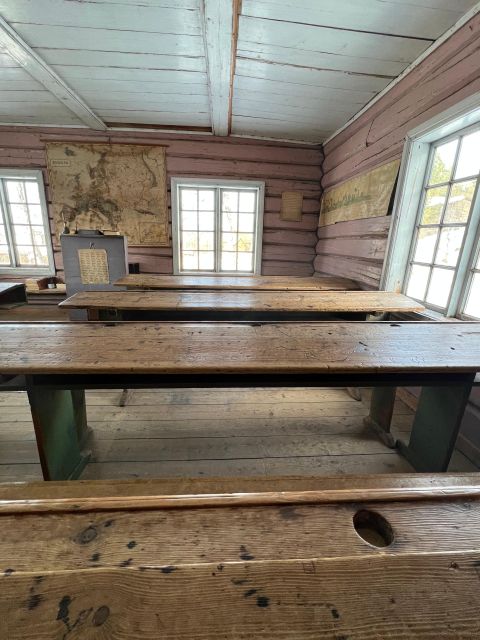
The 1900s section changes the mood. Instead of focusing mainly on farms and medieval architecture, it shows houses from each decade of the 20th century.
This is one of Maihaugen’s smartest features because the period is close enough to feel familiar, yet the changes are easy to see. A series of homes can show shifting tastes, household technology, family life, and ideas about comfort more clearly than a long written display.
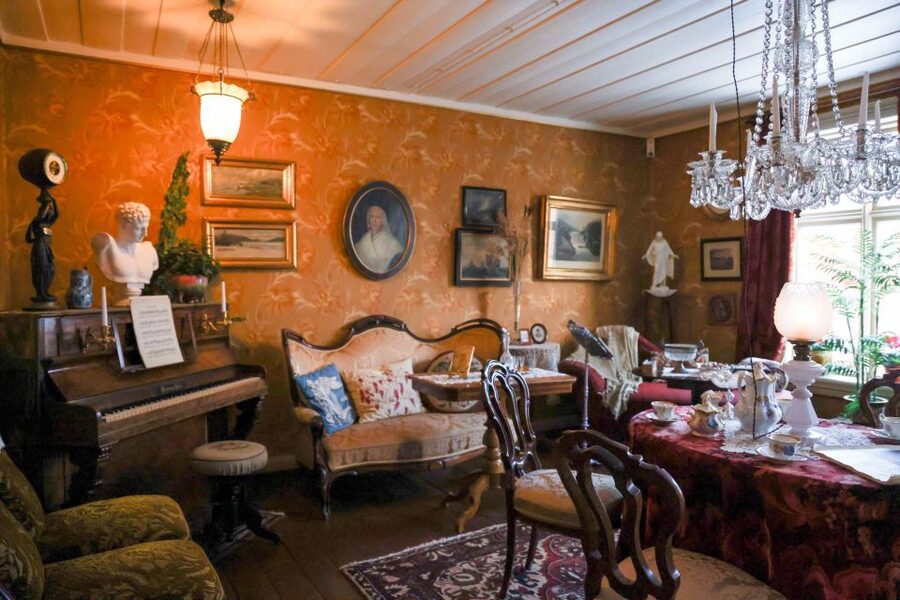
You may find yourself spending more time in these houses than expected. The old farms have obvious visual appeal, but the 20th century homes invite comparison with your own life. Look at the rooms, furniture, and domestic details, then consider how quickly daily life changed across just 100 years.
The section also makes Maihaugen useful for visitors who do not normally seek out traditional museums. You can begin with the familiar and work backward toward the older buildings. That approach gives the visit a natural rhythm.
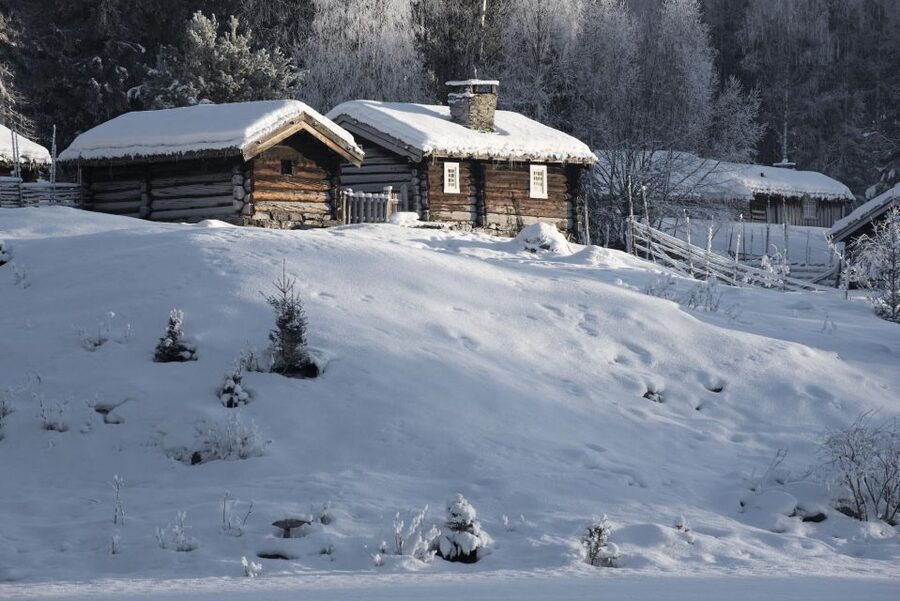
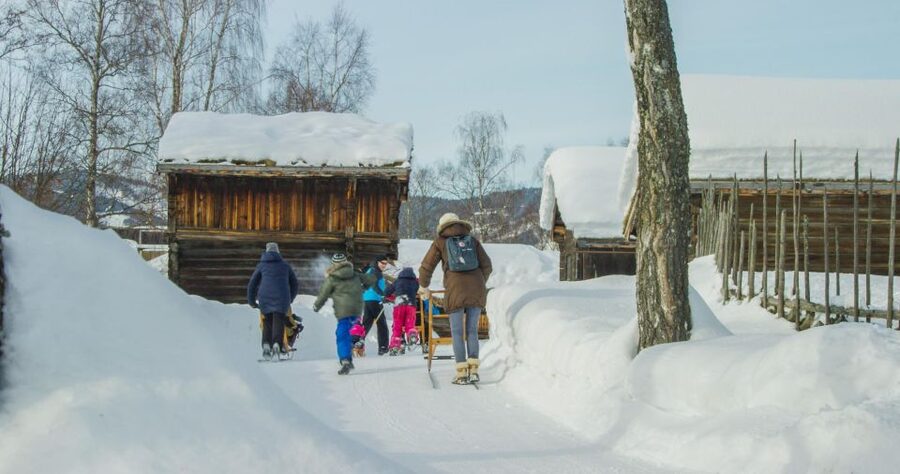
One practical warning: do not assume that every house will be open. The open-air museum is seasonal, and in winter only a small number of buildings may be accessible. One January visit found only four houses open, with access helped by a German-speaking guide. That visitor still found the buildings interesting, but felt the outdoor museum was not well suited to winter.
A completely different kind of day out from Norway:
- From Bergen: The Original Fjord Cruise to Mostraumen
★ 4.7 · 8,440 reviews - Tromsø: Reindeer Sledding & Feeding with a Sami Guide
★ 4.8 · 6,417 reviews - Stavanger: Scenic Fjord Cruise to Lysefjord and Preikestolen
★ 4.6 · 5,791 reviews - Oslo: Scenic Fjord Cruise with Audio Guide Commentary
★ 4.5 · 5,375 reviews
The indoor exhibitions explain the bigger picture
If the weather is poor, or if you visit outside the summer season, spend serious time inside the main museum building. The indoor exhibitions may be the most dependable part of the visit.
The exhibition Impulses and the exhibition We Won the Land add context to what you see outside. They help connect objects, buildings, culture, and national development. One useful feature of the indoor section is its clear presentation of Norway’s history and culture, from early periods through the modern era.
I would not rush through these galleries simply because the outdoor buildings are more photogenic. The indoor displays can give you the framework needed to understand why the houses matter. They are also a good fallback when cold weather, snow, or closed buildings limit your time outside.
A visitor who found the open-air section disappointing in winter rated the covered museum much higher, praising how clearly it presented the development of Norwegian history and culture. That matches the practical lesson here: plan the indoor museum as a central part of your visit, not as a backup you only use if it rains.
The Norwegian Olympic Museum adds a modern Norwegian story
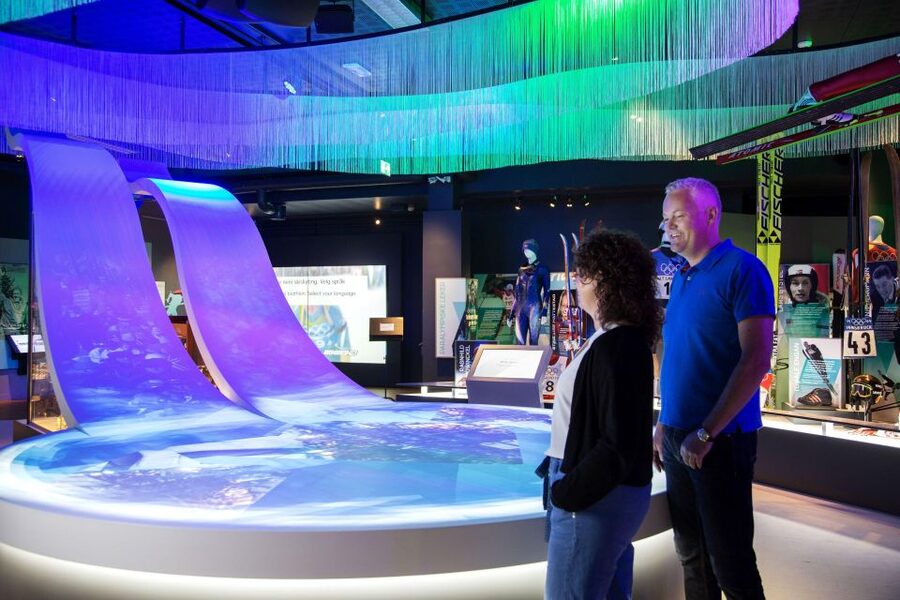
The Norwegian Olympic Museum is located on the same site and included in your admission. It covers the Olympic Games from ancient times to the present, with particular attention to Oslo 1952 and Lillehammer 1994.
This is more than a small sports display added to fill out the ticket. The museum uses original objects, interactive installations, and films to tell the story of the Games and Norway’s Olympic achievements. The approach gives the visit a modern counterpoint to the stave church and old farms.
Lillehammer 1994 is especially important here. The Olympics are part of the city’s modern identity, so the museum helps explain a major event connected directly to the place you are visiting. Oslo 1952 provides another Norwegian reference point and shows how Olympic history developed across two national events.
You do not need to follow every sport to enjoy this section. The displays focus on people, ceremonies, objects, and memorable moments as well as competition. For families, the interactive elements can provide a welcome change after several historic houses.
The Olympic Museum also helps break up the day. Maihaugen is large, and the shift from outdoor buildings to a modern museum gives you a different pace. If you are visiting with children, this change can help keep the day manageable.
The Norwegian Postal Museum is a summer bonus
The Norwegian Postal Museum is included during the summer season. It has preserved and presented Norwegian postal history since 1947, giving you another way to understand communication, travel, and everyday life in the country.
The old train with a postal carriage is a particularly distinctive feature. It gives the postal story a physical setting and should appeal to anyone interested in railways, transport, or practical social history.
Because the Postal Museum is open only in summer, do not count on it during a winter visit. Its seasonal opening is one more reason to check the operating schedule before you arrive.
This section is not likely to be the main reason you choose Maihaugen, but it adds value to the ticket. A full day gives you enough time to include it without sacrificing the stave church, older farms, or Olympic Museum.
Summer is the best time for the complete Maihaugen experience
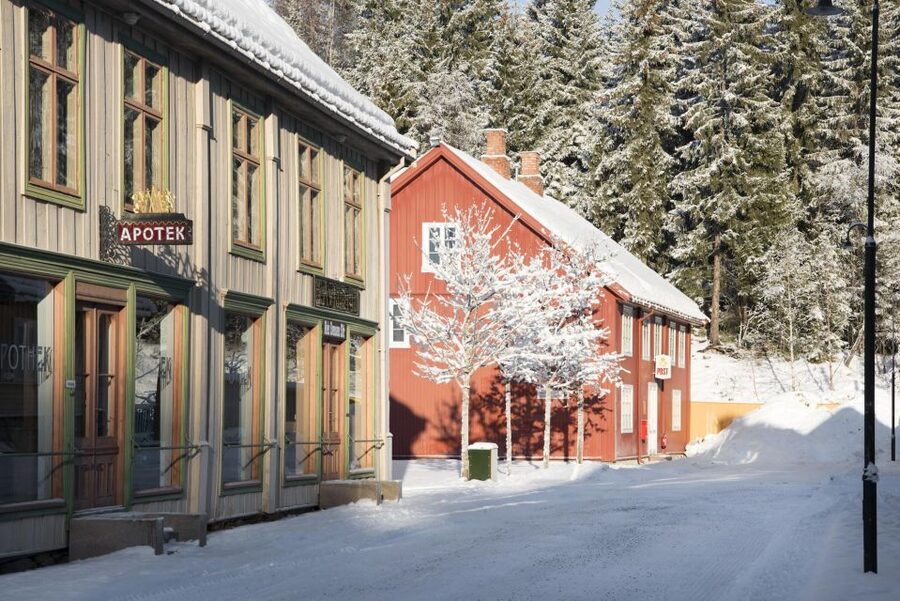
Summer is when Maihaugen offers its fullest version of the museum. Historic houses are more likely to be open, and hosts or actors may appear in period settings. Traditional crafts and demonstrations can make the buildings feel connected to real work rather than frozen in the past.
The cultural setting also changes with the season. Animals graze in the farm areas, and extra places to eat open throughout the grounds. That makes it easier to treat Maihaugen as a day visit rather than a short museum stop.
I would choose summer if you want to enter many buildings, meet hosts, see crafts, and visit the Postal Museum. The open-air collection is the heart of Maihaugen, and summer gives you the best chance of experiencing it fully.
Winter has a different appeal, but you need realistic expectations. Snow and quiet surroundings may make the old buildings look beautiful, yet closed houses can turn the outdoor section into a walk past windows and locked doors. The indoor exhibitions and Olympic Museum then become the safer reasons to visit.
Food, the shop, and the practical shape of the day
The main building has a cafeteria open all year. During summer, additional eating places operate in the open-air museum.
Food and drinks are not included in the $19 admission, so plan for that separately. Having a cafeteria on site matters because the grounds are large enough to fill much of a day, especially if you are visiting with children or want to move at a relaxed pace.
The museum shop sells quality design products. It is a useful place to look for Norwegian items with a stronger connection to local design than ordinary tourist souvenirs. During the Christmas Market, the shopping becomes a major part of the visit, with handmade products, local food, crafts, decorations, and gifts.
The Christmas Market takes place on the first weekend of Advent. Historic houses from different periods are decorated for the season, and family activities take place across the grounds. If you are in Lillehammer at that time, this is a very different Maihaugen experience from a normal museum day.
Is $19 good value for one day?
At $19 per person, I consider Maihaugen good value if you use the full ticket. Your admission includes the open-air museum, indoor exhibitions, outdoor exhibitions operating during the season, the Norwegian Olympic Museum, and the Norwegian Postal Museum in summer.
The value is strongest for visitors who plan to stay several hours. A quick walk through the old buildings would not show the full range of what you paid for. With a full day, you can see the medieval church, historic farms, 20th century houses, indoor exhibitions, Olympic displays, and the summer Postal Museum.
The price is less compelling if you arrive in winter expecting every house to be open. The ticket still includes the indoor museums, but access to the open-air collection may be limited. Ask at the Visitor Center what is available before deciding how much time to set aside outside.
The admission also compares well for families who want several types of activity in one place. Adults can focus on architecture and culture, children can watch animals or use interactive displays, and everyone can take a break at the cafeteria.
Who should visit Maihaugen?
I recommend Maihaugen to you if you want more than a narrow museum topic. It suits anyone interested in Norwegian homes, rural life, architecture, national culture, sport, or social change.
Families get a useful mix of outdoor space, animals, interactive Olympic displays, and historic houses. First-time visitors to Norway can use the museum as a cultural introduction before continuing around the country. One visitor used it as the first stop on a Norway road trip and found the background helpful for the rest of the journey.
It is also a good choice for a mixed-interest group. One person can focus on the stave church and farms, another can spend time in the modern homes, and someone else can prefer Olympic history or postal transport.
I would be more cautious if you have only an hour, dislike walking between separate buildings, or are visiting in winter mainly to enter old houses. In those cases, the indoor museums may be the main attraction, and the outdoor collection may not deliver what you expect.
Booking and visit tips
You can reserve your admission with the option to pay later, which helps if your Norway plans are still changing. Cancellation is available up to 24 hours before the visit for a full refund.
The ticket is valid for one day. Check the available starting times when you book, then begin at the Visitor Center rather than heading straight into the open-air grounds.
My practical plan would be:
- Start with the Visitor Center and confirm which houses are open.
- Visit Garmo stave church and the oldest farm buildings while you have good energy.
- Move through the 20th century houses and compare the changing styles.
- Take a break at the cafeteria or a summer eating place.
- Spend time with Impulses and We Won the Land indoors.
- Finish with the Norwegian Olympic Museum.
- Add the Postal Museum in summer if time allows.
This order is flexible, but it keeps the oldest buildings and the indoor museums from being pushed aside by the size of the grounds.
Should you book Maihaugen?
Book it if you want a full cultural day in Lillehammer, especially from late spring through summer when more houses, activities, food outlets, and the Postal Museum are operating. The combination of medieval architecture, farm life, 20th century homes, Olympic history, and indoor exhibitions gives you more variety than the admission price suggests.
In winter, book with a narrower plan. Confirm what is open, then treat the indoor exhibitions and Norwegian Olympic Museum as the dependable core of your visit. If those sound worthwhile, Maihaugen remains a sensible stop. If your main goal is to walk inside many historic houses, choose the season carefully.
FAQ
Where is Maihaugen located?
Maihaugen is in Lillehammer, in Innlandet County, Norway. The Norwegian Olympic Museum is located on the same site.
How long is the admission valid?
The admission is valid for one day. A full day is useful if you want to see the open-air museum, indoor exhibitions, Olympic Museum, and, in summer, the Postal Museum.
What does the ticket include?
The ticket includes entry to Maihaugen’s open-air museum, indoor exhibitions, seasonal outdoor exhibitions, the Norwegian Olympic Museum, and the Norwegian Postal Museum during summer.
Is the Norwegian Postal Museum open all year?
No. The Norwegian Postal Museum is open during the summer season. It includes an old train with a postal carriage.
Are all the historic houses open in winter?
No. The number of open buildings varies by season. Winter access can be limited, so check conditions at the Visitor Center when you arrive.
Is Maihaugen suitable for wheelchair users?
The activity is listed as wheelchair accessible. For details about particular paths or historic buildings, ask the hosts at the Visitor Center.
Can I cancel my booking?
Yes. You can cancel up to 24 hours in advance for a full refund. A reserve now and pay later option is also available.
Just added around Norway
- From Alta: Experience Seiland National Park★ 4.3 · 4 reviews
- Private hiking tour Bergen mountains like a local★ 5.0 · 4 reviews
- Oslo: 3-hour Cross Country trip with equipment and guide★ 5.0 · 4 reviews
- Visit the Instaworthy Spots of Oslo’s Vigeland Park with a Local★ 5.0 · 4 reviews
- Flexible tour to Hardangerfjord vøringsfossen cruise include★ 5.0 · 4 reviews
- Oslo: 2-hour Christmas Private Walking Tour★ 3.0 · 4 reviews
- Art and Museum Tour of Oslo★ 5.0 · 4 reviews
- Bergen: Private Waterfalls and Wonders of Fjord Norway★ 5.0 · 4 reviews
Museums, compared.
Troll Museum Entry Ticket with AR Media Experience
Read our review →
Aksla-Alnes-Giske-Sunnmøre museum 100 % Highlights 4.5 H
Read our review →Browse the lists this tour appears in