
Reviewed · MUSEUMS
Art and Museum Tour of Oslo
Oslo makes art part of the city walk. This private four-hour tour pairs major sights such as Aker Brygge and Akershus Fortress with museums chosen around your interests. I like the private format, which lets your group shape the day, and I like having an art historian guide explain Norwegian painting instead of simply pointing out famous works. The main consideration is that museum choices need to be settled carefully, especially if seeing the National Gallery is a priority.
The tour can also reach Bygdøy’s museum area, the Opera House, or Vigeland Park, though every extra stop affects the time available for the others. Guide Tanya earned especially warm praise for her careful planning and willingness to spend time with the collections.
In This Review
- Key points to know before booking
- A four-hour introduction to Oslo through art
- Starting in central Oslo: Aker Brygge and the waterfront
- The Royal Palace, Parliament, and Oslo’s main streets
- Akershus Fortress and seventeenth-century Kvadraturen
- Choosing the National Gallery and Munch
- Astrup Fearnley for a modern art focus
- Bygdøy’s museum choices: ships, polar travel, and wooden buildings
- Adding the Opera House or Vigeland Park
- The guide makes the difference
- Who will get the most from this private tour?
- Price, group size, and practical value
- Should you book the Art and Museum Tour of Oslo?
- FAQ
- How long does the Art and Museum Tour of Oslo last?
- How much does the tour cost?
- Is this a private tour?
- Which museums can you choose?
- Are museum entrance fees included?
- Can the tour include Vigeland Park?
- Is pickup available?
- What is the cancellation policy?
Key points to know before booking
- Your museum choice shapes the tour: Select one or two options, including the National Gallery, Astrup Fearnley Museum, or museums on Bygdøy.
- The four-hour route covers a lot: Expect central Oslo, the Royal Palace, Parliament, Akershus Fortress, Kvadraturen, and Aker Brygge.
- A private group format adds flexibility: Only your party participates, with a maximum group size of 10.
- Tanya received strong praise: She was described as conscientious, thorough, and attentive to the group’s interests.
- Extra sights may require transport: Vigeland Park is about 10 minutes away by tram, so adding it changes the walking plan.
- Museum admission is separate: The listed museum entrance cost is 100 kr per person, while the tour itself is priced at $445.68 per group.
A four-hour introduction to Oslo through art
This tour works best as a first look at Oslo, especially if you want more than a single museum visit. The route links the city’s streets and landmarks with a museum selection, giving you a sense of how art fits into Norway’s political, maritime, and urban story.
You are not locked into one fixed museum. The guide can arrange one or two visits from a set of central and Bygdøy options. That matters because Oslo’s collections appeal to very different interests. You might focus on Edvard Munch and French Impressionism, choose modern art at Astrup Fearnley, or spend your museum time with Viking ships and polar exploration.
The tour is private, so you can ask questions, change the pace, and spend more time on a subject that catches your attention. With four hours, though, you should treat the day as a well-planned introduction rather than a full examination of several museums.
The advertised price is $445.68 for up to 10 people. For a large family or group of friends, that can be fair value because the cost is shared across the party. For one or two people, the price feels much higher, particularly since museum admissions are listed separately at 100 kr per person.
More Museums in Oslo
- Kon-Tiki Museum Entrance Ticket
★ 4.5 · 1,096 reviews - Oslo: Paradox Museum Entry Ticket
★ 4.3 · 799 reviews - The Fram Museum Admission Ticket
★ 4.5 · 490 reviews
Starting in central Oslo: Aker Brygge and the waterfront
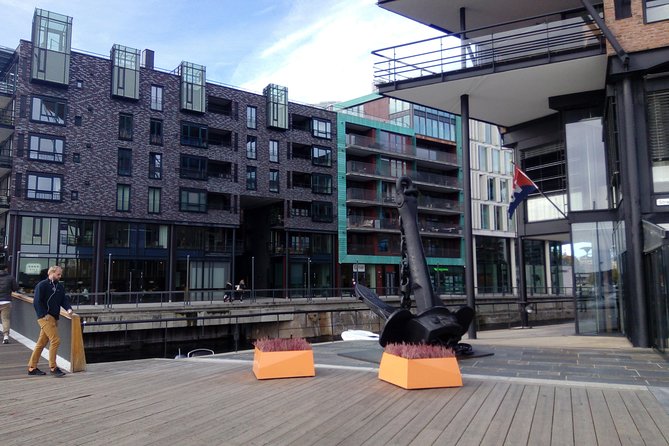
Aker Brygge gives the tour a modern opening. This waterfront area helps you see Oslo as a working port city that has also developed into a popular place for walking, dining, and city views.
The stop is useful because it contrasts with the older parts of the route. You begin with present-day Oslo, then move toward the city’s royal, parliamentary, medieval, and seventeenth-century sides. I like this kind of progression because it gives the tour a clear sense of place instead of treating each sight as an isolated photo stop.
Do not expect Aker Brygge to be a museum visit. Its value is visual and urban. Your guide can use the area to explain how Oslo’s waterfront fits into the city before turning inland toward the formal center.
The Royal Palace, Parliament, and Oslo’s main streets
The walk through central Oslo includes the Royal Palace, Parliament, and the city’s principal streets. These sights add political and civic context to the art stops.
The Royal Palace represents the city’s royal setting, while Parliament gives you a look at Norway’s national government. The main streets connect these landmarks into a walkable central district. With an art historian leading the route, you can expect the focus to remain tied to culture and the way Oslo developed as a capital.
This portion also helps you get your bearings. If you are arriving by cruise ship or have only a short stay, seeing several central landmarks in one guided walk can save time. The tour is offered as a private activity, so you will not be trying to keep up with a large group.
The route is still a walking tour, and four hours can feel full once museum time is included. Comfortable smart-casual clothing is requested. You should also be ready for a mix of outdoor sightseeing and indoor visits.
Akershus Fortress and seventeenth-century Kvadraturen
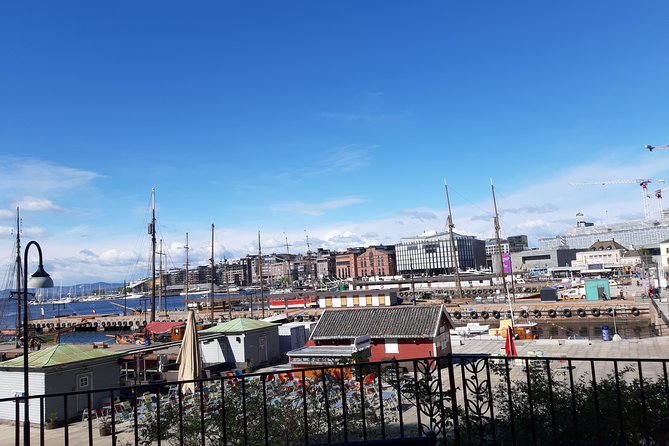
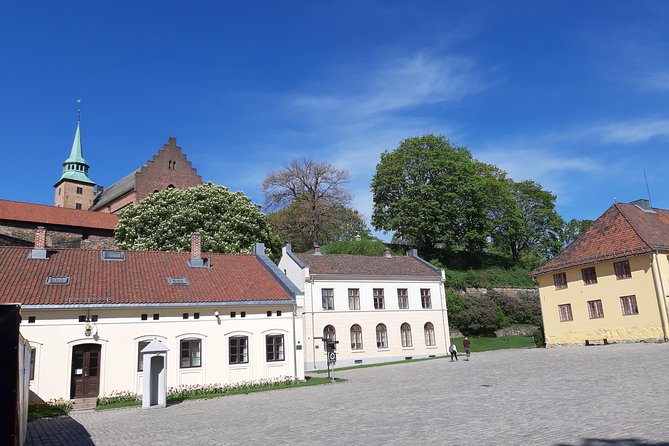
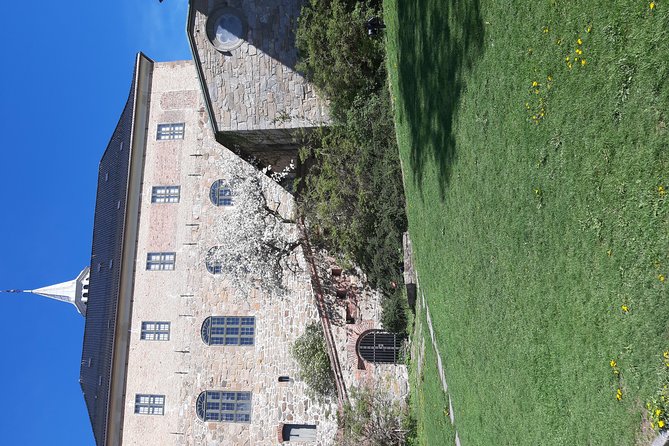
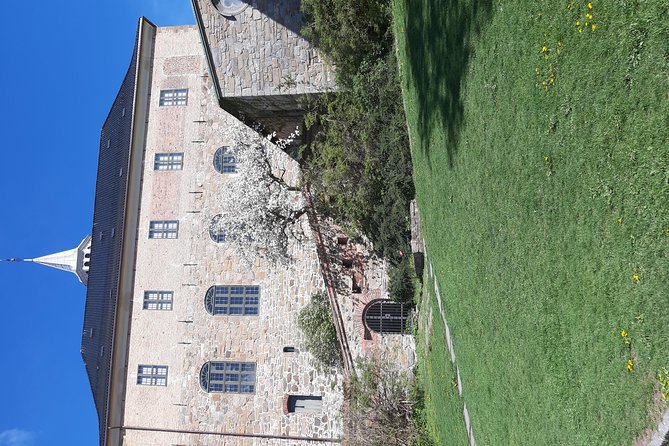
Akershus Fortress brings the route into Oslo’s medieval past. Its position and historic character give the walking portion a stronger sense of time than the modern waterfront alone.
The tour also visits Kvadraturen, the city center associated with Oslo’s seventeenth-century development. This is one of the more useful parts of the route for anyone who wants to understand the older street plan and the city’s changing identity.
I would not book this experience only for a long fortress visit. The day includes many sights, so the fortress is one element in a broader city tour. Its appeal lies in the way it links Oslo’s early history with the later civic center and the art collections you see afterward.
The guide’s background should be most useful here when you want connections rather than a list of dates. Ask how the old center relates to the city’s later growth, or how Norwegian art reflects the places and people introduced during the walk.
A completely different kind of day out from Oslo:
- Oslo: Scenic Fjord Cruise with Audio Guide Commentary
★ 4.5 · 5,375 reviews - Oslo Nature Walks: Island Hopping Tour
★ 4.8 · 2,713 reviews - Oslo: 100% Electric Oslofjord Sightseeing Cruise
★ 4.4 · 2,041 reviews - Oslo: Fjord Evening Cruise with Shrimp Buffet
★ 4.5 · 1,956 reviews
Choosing the National Gallery and Munch
For many people, the National Gallery will be the key museum choice. The planned focus includes Edvard Munch’s The Scream and other paintings by Munch, along with French Impressionist works.
That combination gives you a strong introduction to both Norwegian art and the wider European movements that influenced it. Munch is familiar to many people, but seeing The Scream alongside his other works can give the painting more context. French Impressionism also broadens the visit beyond one famous Norwegian artist.
There is one important booking point here. One group praised the guide’s enthusiasm and command of the subject but wished the museum portion had included the National Museum. The supplied tour plan refers to the National Gallery, so you should confirm the exact museum arrangement when booking if this collection is essential to you.
That is not a small detail. Museum names and collections can matter greatly when you are paying for a private art-focused tour. Make your first-choice museum clear before the day begins, and ask how much time will be reserved for it.
Astrup Fearnley for a modern art focus
The Astrup Fearnley Museum offers a different direction from Munch and nineteenth-century European painting. It is a private museum of modern art, making it the better fit if you prefer recent and contemporary work.
The advantage of choosing this museum is variety. You can use the walking route to see old Oslo and then finish with art that reflects more recent ideas and styles. That contrast can make the day feel more personal, especially if you have already seen traditional European collections elsewhere.
The drawback is time. Choosing Astrup Fearnley may mean giving up another museum or one of the optional city sights. A four-hour tour cannot give every collection equal attention, so I would choose this option only if modern art is a real priority for you.
Your guide’s art background should help you approach works that may be less immediately familiar than Munch. The value is not just seeing the museum, but having someone connect the works to Norwegian and international art.
Bygdøy’s museum choices: ships, polar travel, and wooden buildings
The Bygdøy peninsula offers several museum possibilities. The choices listed include the Viking Ship Museum, Kon-Tiki, Fram, and a museum of wooden architecture.
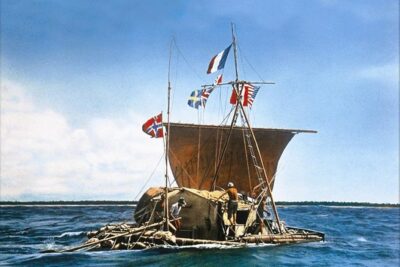
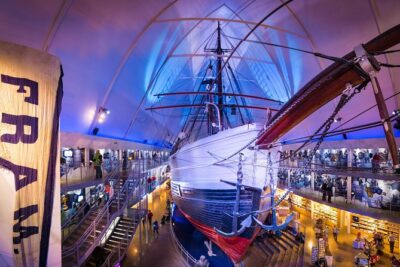
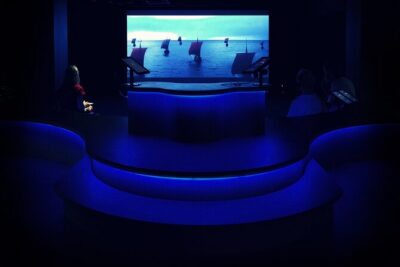
These museums can change the tone of the tour. The Viking Ship Museum points toward Norway’s early seafaring culture. Kon-Tiki brings the story of Thor Heyerdahl’s famous expedition into view. Fram focuses on the polar ship and Norway’s exploration tradition, while wooden architecture offers a more domestic and building-centered look at the country.
The phrase Island of Museums appeared in one Spanish-language review, but the reviewer also clarified that it is not really an island. The useful advice is that this area groups several museum choices together, making it possible to shape the visit around a clear theme.
The tradeoff is transport and time. Bygdøy is not simply another room on a central walking route. If you choose one of these museums, allow the guide to plan the movement carefully. You may see fewer central sights, but you could gain a stronger focus on maritime culture, exploration, or traditional buildings.
Adding the Opera House or Vigeland Park
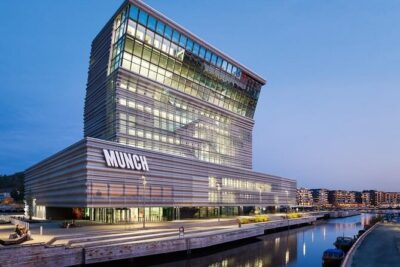
The new National Opera House is another possible addition. It extends the tour’s art and architecture theme into a modern public building rather than a traditional museum.
Vigeland Park is also available, but the stated plan requires about 10 minutes by tram to reach it. That travel time is modest, though it still takes a portion of a four-hour tour. Adding the park makes sense if sculpture is important to you or if you want a different outdoor setting after the city center.
I would not try to add every option. A central walk, two museums, Bygdøy, the Opera House, and Vigeland Park would be too much for one short outing. Tell the guide your top two priorities, then let the route be built around them.
This flexibility is one of the tour’s strongest features, but only if you use it wisely. A shorter list usually means better attention at each stop.
The guide makes the difference
The strongest praise centers on the guide’s care and preparation. Tanya was singled out for waiting at the Hotel Continental, contacting the group, and giving clear instructions about where to meet. That kind of communication matters when your day begins with a hotel pickup or a tight sightseeing schedule.
She was also described as very thorough and conscientious, taking time to show the group the museums and collections. Those qualities fit this tour well. An art tour can feel rushed when a guide tries to cover too many works, but patience gives you room to ask questions and follow your own interests.
The tour may be operated by a multilingual guide, so language preferences should be considered when booking. A Blue Badge guide, professional guide, and professional art historian guide are included in the tour description.
The overall rating is 4.8 from four reviews, with three of the supplied ratings at five out of five and one at four out of five. That is a small review sample, so I would treat it as encouraging rather than final proof. The praise is consistent, though: enthusiasm, care, and strong preparation are the clearest benefits.
Who will get the most from this private tour?
I would recommend this experience to you if you want a flexible introduction to Oslo and prefer learning through conversation. It suits couples, families, and small groups who can agree on their main museum interests before booking.
It is especially useful for cruise ship passengers because pickup can be offered and the guide can plan around the ship’s schedule. At booking, you must provide the ship name, docking time, disembarkation time, and re-boarding time. Be realistic about the schedule, since no refund is provided if you miss the tour because your ship arrives late or fails to arrive.
Art lovers should decide which collection matters most. If you want Munch and Impressionism, request the National Gallery or the specific collection you want confirmed. If modern art is your interest, choose Astrup Fearnley. For family groups with mixed interests, Bygdøy’s ships and exploration museums may be easier choices than a full painting-focused visit.
This is less suitable if you want a slow, single-museum study day. Four hours covers a great deal, and the guide may need to balance outdoor sights, transport, and museum time.
Price, group size, and practical value
The price is $445.68 per group of up to 10 people. That structure is important. A group of eight to 10 can split the cost and receive a private guide for less per person than a small private party.
Museum admission is listed at 100 kr per person. The tour description also marks admission as free, which appears to refer to the guiding service rather than all museum entry. I would confirm the exact admission arrangement before paying, especially if you plan to visit two museums.
Pickup is offered, and the tour is near public transportation. The meeting plan can be particularly helpful for cruise passengers or anyone staying in central Oslo. Confirmation is received at booking, and most people can participate.
The cancellation policy is generous if your plans change early. You receive a full refund when canceling at least 24 hours before the start time. Cancellations or changes inside that window are not accepted for a refund.
Should you book the Art and Museum Tour of Oslo?
Book it if you want a private, flexible city introduction with an art specialist rather than a fixed museum lecture. The mix of Aker Brygge, central Oslo, Akershus Fortress, Kvadraturen, and a museum of your choice gives you more range than a single-gallery visit.
Before booking, settle your museum priority in writing. If the National Gallery is the main reason for going, confirm that it will be included, since one highly positive experience still found that omission disappointing. Also remember that adding Bygdøy or Vigeland Park means less time elsewhere.
For a large group, the price can be sensible. For one or two people, compare the cost with a simpler museum visit. If you value personal attention, thoughtful pacing, and a guide who can connect Oslo’s art to its streets and landmarks, this tour is a strong choice.
FAQ
How long does the Art and Museum Tour of Oslo last?
The tour lasts approximately four hours.
How much does the tour cost?
The price is $445.68 per group, with up to 10 people allowed in the group.
Is this a private tour?
Yes. Only your group participates in the activity.
Which museums can you choose?
The choices include the National Gallery, Astrup Fearnley Museum of Modern Art, the Viking Ship Museum, Kon-Tiki, Fram, and a museum of wooden architecture.
Are museum entrance fees included?
Museum entrance fees are listed as 100 kr per person. The tour information also lists admission as free, so you should confirm the exact arrangement when booking.
Can the tour include Vigeland Park?
Yes. Vigeland Park can be added, and the stated plan requires about 10 minutes by tram to reach it.
Is pickup available?
Pickup is offered. Cruise ship passengers must provide their ship name, docking time, disembarkation time, and re-boarding time when booking.
What is the cancellation policy?
You can receive a full refund by canceling at least 24 hours before the start time. Cancellations or changes made less than 24 hours before the tour are not accepted for a refund.
Just added around Oslo
- Oslo: 3-hour Cross Country trip with equipment and guide★ 5.0 · 4 reviews
- Visit the Instaworthy Spots of Oslo’s Vigeland Park with a Local★ 5.0 · 4 reviews
- Oslo: 2-hour Christmas Private Walking Tour★ 3.0 · 4 reviews
- Flavors of Oslo: Food & Beer Tour★ 4.8 · 4 reviews
- Private Transfer from Oslo City Centre to Oslo Airport★ 5.0 · 4 reviews
- 3-Hour Vattkørt Beginner Kayak Course on Oslo Fjord★ 5.0 · 4 reviews
- Hipstoric Grünerløkka Private Walking Tour★ 5.0 · 4 reviews
- Oslo & Vigeland Park Private Walking Tour★ 4.5 · 5 reviews
Museums, compared.


Troll Museum Entry Ticket with AR Media Experience
Read our review →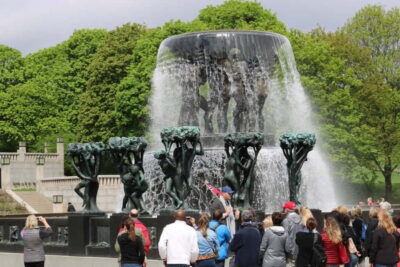
Aksla-Alnes-Giske-Sunnmøre museum 100 % Highlights 4.5 H
Read our review →Browse the lists this tour appears in