
Reviewed · WHALE WATCHING
Skjervøy: Whale Watching with RIB Boat and Local Guide
Big whales, small boat, wild Arctic seas. This three-hour RIB safari outside Skjervøy offers a close look at killer whales and humpback whales, with a local guide explaining what you are seeing as the boat searches the fjords. I like the warm suits, boots, hats, goggles, and life jackets included in the experience, and I like the guide’s clear concern for keeping a respectful distance from the animals. The main drawback is the cold. Even with the supplied gear, you still need proper gloves and neck protection, and rough water can make the ride hard work.
The experience is run by Reisafjord Xperience AS, with English and Norwegian guiding. The small RIB makes the outing feel lively and exposed to the sea, rather than like a calm wildlife cruise. That is part of its appeal, but it also means you should choose this trip for the Arctic ride as much as for the whales.
In This Review
- Key points to know before booking
- Why Skjervøy is a strong whale-watching base
- Finding Strandveien 96 in Skjervøy
- Getting dressed for three hours on cold water
- Leaving the harbor on a powerful RIB
- Watching orcas work as a team
- Humpback whales and the thrill of the unexpected
- How good is the guiding?
- Group size, timing, and the feel of the trip
- Coming from Tromsø to Skjervøy
- Is the experience good value?
- Who should book this Skjervøy safari?
- Should you book it?
- FAQ
- Where does the whale-watching tour meet?
- How long does the experience last?
- When does whale-watching season run?
- What languages does the guide speak?
- What clothing and equipment are provided?
- Can I travel from Tromsø to Skjervøy for the tour?
Key points to know before booking
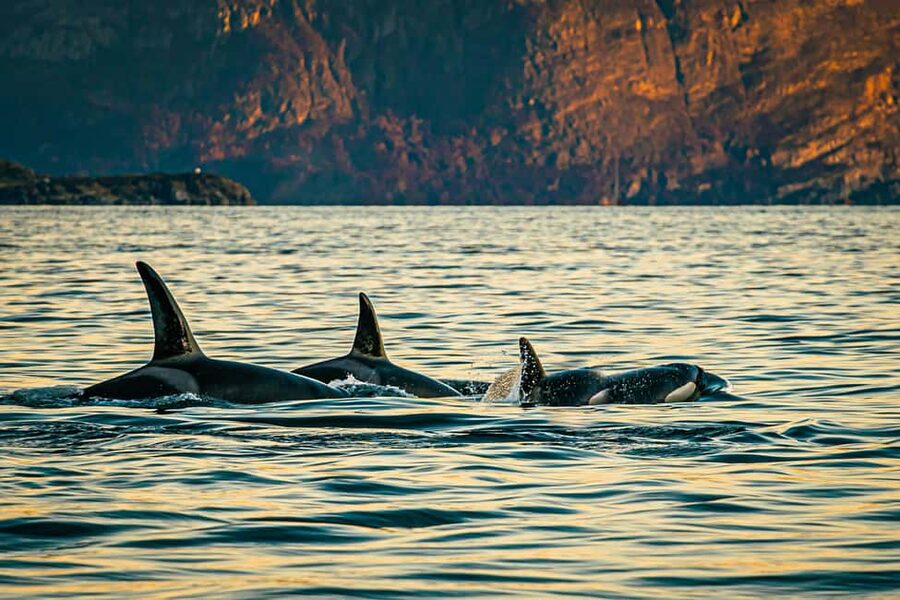
- Orcas are often the main event: The best sightings can include large groups feeding together, sometimes with humpbacks and fin whales nearby.
- The RIB carries up to 12 people plus the guide: You get a closer-to-the-water experience, though it is not the quietest setting for long explanations.
- Whale season runs from roughly mid-October through February: Herring movements affect where the whales gather, so sightings are never guaranteed.
- Warm equipment is supplied: Expect outer suits, life jackets, hats, thermal boots, and goggles, but bring your own warm gloves and neck covering.
- Guide Viktor receives especially strong praise: He is described as calm, friendly, skilled at finding whales, and careful around wildlife.
- The harbor meeting point is easy to miss: Find the back side of the old white harbor building, downhill from the Ekstra grocery store.
Why Skjervøy is a strong whale-watching base
Skjervøy sits in northern Norway, surrounded by cold water, snowy peaks, and long Arctic winter darkness. From about the middle of October to February, herring can draw orcas and humpback whales into the surrounding waters. The exact whale locations change, which is why the crew may need to travel around before finding a good group.
That changing food source is important. You are not visiting a fixed wildlife enclosure, and the boat cannot simply promise a whale at a certain rock. The crew has to read the water, watch for blows and fins, and decide where to go next. On one outing, the group may see many animals quickly. On another, the search may take more time.
That uncertainty is part of the honest bargain. You pay for time on the Arctic sea, local searching, and the chance to see wild animals behaving naturally. You are not buying a guaranteed performance.
The setting adds plenty even before the first whale appears. Snow-covered mountains can rise around the fjord, and the water may be smooth or lively. One outing had sunlight, mountains covered in snow, and just enough swell to give the RIB a fun rock-and-roll motion. Another had poor weather, yet the guide still found both orcas and humpbacks.
More RIB safaris:
- From Stavanger: RIB Tour to Lysefjord
★ 4.9 · 1,288 reviews - From Stavanger: Lysefjord Sightseeing RIB Boat Tour
★ 4.9 · 821 reviews - RIB Geiranger – Fjordsafari
★ 4.8 · 807 reviews
Finding Strandveien 96 in Skjervøy
The tour starts and ends at Strandveien 96. The practical challenge is locating the exact meeting point in the harbor. Go to the backside of the old white building, on the lower side of the Ekstra grocery store. The coordinates are 70.02948760986328, 20.968090057373047.
This is not a grand visitor center with a large sign. Give yourself time to get your bearings, especially if several boat operators are gathering nearby. The harbor can feel crowded when multiple whale trips are preparing to leave. Once you find the right guide, the process becomes more straightforward.
The crew provides a changing area and helps you get into the supplied clothing. This is useful because putting on a thick flotation suit beside the water is not much fun. One particularly praised part of the welcome is a hot chocolate and cookies after the boat returns. It is a small touch, but after three hours in cold air, it feels well judged.
Getting dressed for three hours on cold water
The provided equipment is a major strength. You receive a warm outer suit, life jacket, hat, thermal boots, and goggles. The goggles matter more than you might expect. They protect your eyes from wind and sea spray, especially when the boat moves quickly or the water turns rough.
Still, do not treat the supplied gear as a complete winter wardrobe. Bring warm gloves and something that covers your neck. One person found the activity colder than expected because the gloves and neck protection were not warm enough. Another specifically advised bringing a plastic bag for a camera, since heavy spray can arrive without much warning.
I would dress in layers under the suit. Wear clothing you can move in, not a bulky coat that makes the life jacket awkward. Keep phones and cameras protected, and expect the possibility of wet spray even if the weather forecast looks friendly.
The cold can shape your enjoyment of the final part of the trip. When an orca group appears, you will want to stay focused on the water, not on numb fingers. Good gloves, a warm neck covering, and protected electronics make a real difference.
Leaving the harbor on a powerful RIB
The RIB is small enough to give you a strong sense of speed and exposure. With 12 people plus Viktor, seating is described as comfortable, but this is still a compact boat. You are close to the water, close to the wind, and close to the spray.
The ride itself is part of the attraction. The boat can feel thrilling as it crosses the fjord, though rough conditions may be tiring for anyone who dislikes motion. This is not the best choice if you want a quiet, heated cabin and a gentle ride. A heated cabin cruiser in the area would suit that preference better.
The guide keeps the group moving toward likely whale areas. The ride may include stretches of searching, which can feel slow when you are eager for the first sighting. That patience is necessary. The crew is working with wild animals, not following a fixed route with guaranteed stops.
On one early-season trip, the boat spent time moving back and forth before finding orcas. The delay paid off when the group located many animals. This is a useful reminder not to judge the tour during the first quiet stretch.
More whale watching:
- Tromsø: Whale Watching Tour by Hybrid-Electric Boat
★ 4.5 · 4,217 reviews - Tromsø Whale Safari with MS Gabriele
★ 4.3 · 1,937 reviews - From Tromsø: All-Inclusive Whale & Orca Safari
★ 4.5 · 1,221 reviews - Silent Whale Watching by Hybrid-Electric Boat from Tromsø
★ 4.5 · 1,017 reviews
Watching orcas work as a team
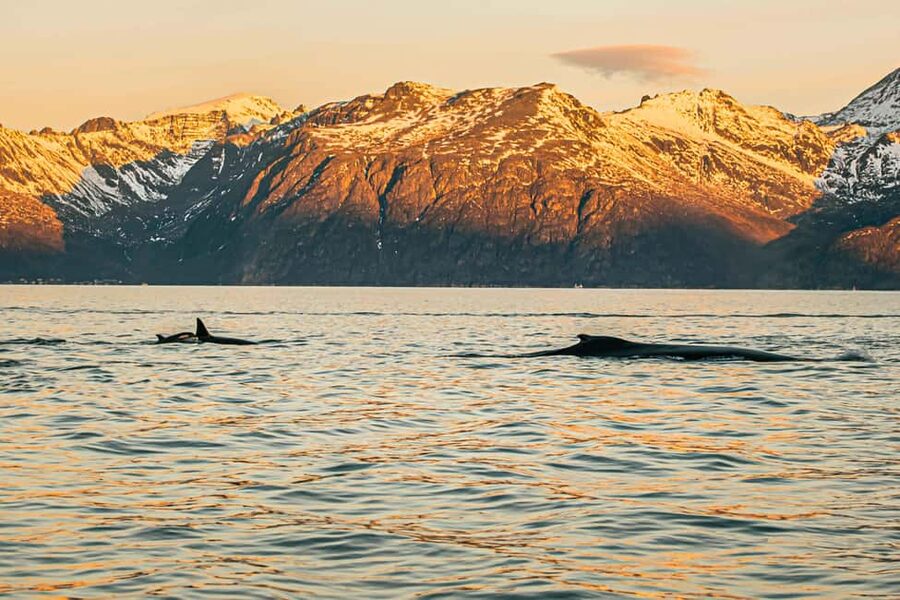
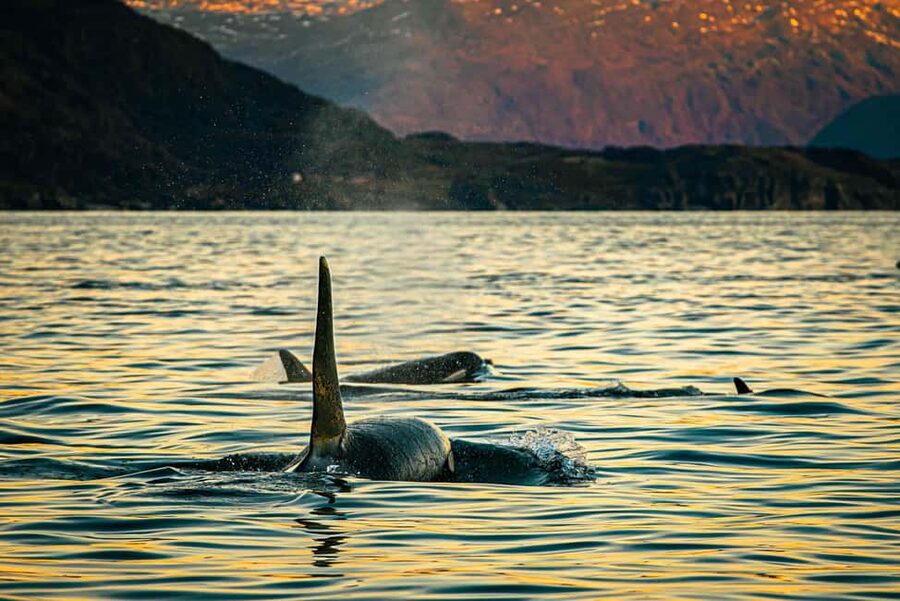
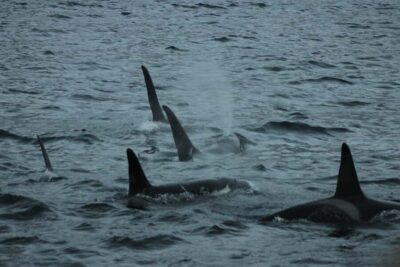
Killer whales are usually the star of this outing. Their black bodies and white markings make them easy to recognize, but their behavior is what gives the sighting its power. You may see them travel in family groups, gather socially, or coordinate while feeding on herring.
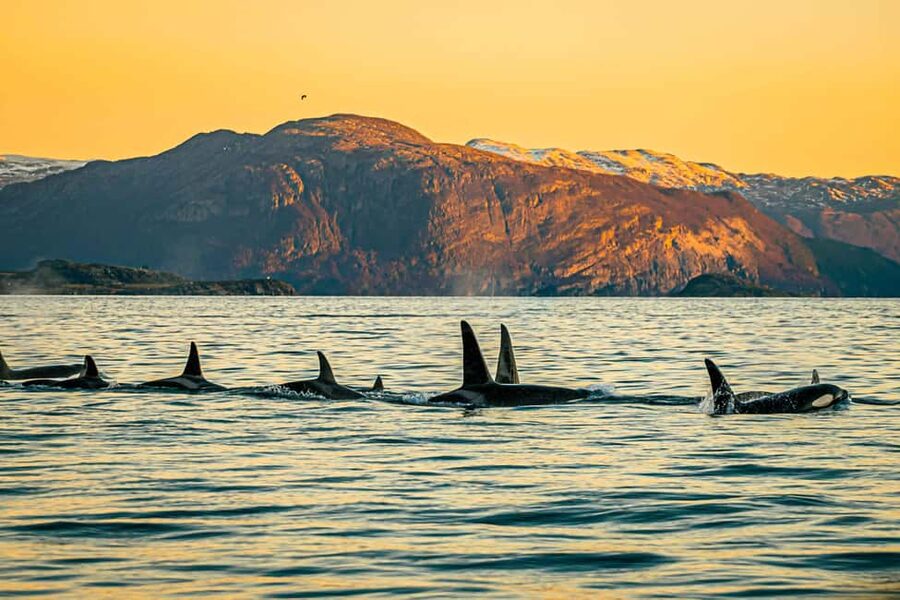
Several outings produced large numbers, including one with roughly 50 orcas. Another included a family group that approached the boat out of curiosity. A group even appeared to watch the humans, creating the memorable sense that the boat was part of the encounter for a moment.
The most exciting behavior is feeding. Orcas may work together to catch fish, and seeing that cooperation tells you more than a quick fin breaking the surface. The guide can explain their whistles and pulsed sounds, which are forms of communication you may hear during a calm moment near the animals.
A good guide also knows when not to chase. Viktor is praised for stopping at a respectful distance and allowing curious whales to come closer on their own. That matters. A close sighting is special, but the animals’ welfare should come first.
You may even hear individual names for some orcas. That personal knowledge gives the encounter a local feel, provided the guide keeps the focus on the animals rather than turning them into performers.
Humpback whales and the thrill of the unexpected
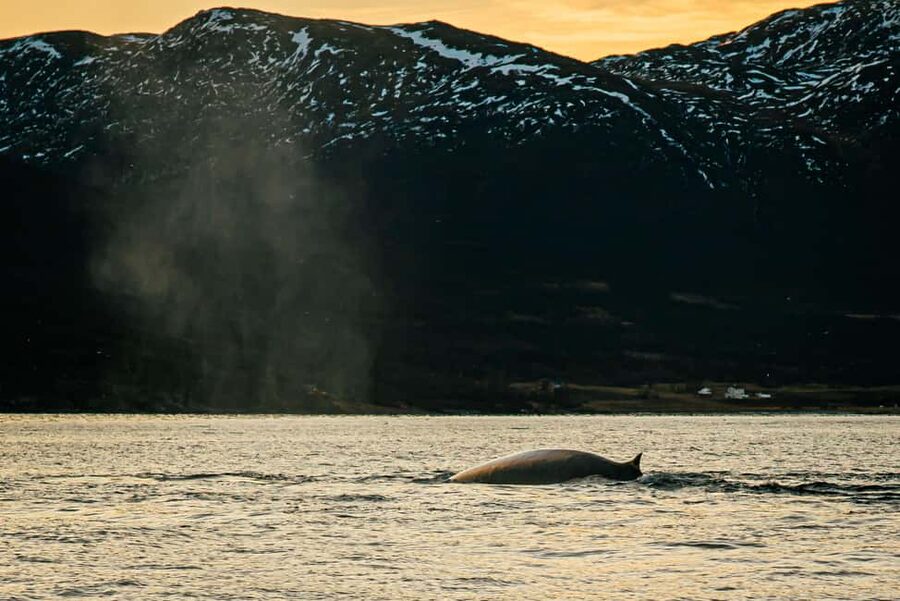
Humpbacks behave differently from orcas. They are often alone or found in small groups, and their size can seem almost unreal when one surfaces near the boat. Their blows, rolling backs, and broad tail flukes offer a slower, more spacious kind of sighting.
You may see a humpback breach or make a dramatic movement, but there is no promise of acrobatics. The value lies in watching the animal choose its own behavior. The guide can also point out that each humpback has a unique tail pattern, much like a natural fingerprint.
Some outings have included humpbacks, orcas, and fin whales on the same day. Seeing three species in one trip is an exceptional result, not something to assume when you book. Fin whales are another possible sighting mentioned during the season, adding variety if the conditions and whale movements line up.
The whale search can also produce moments of quiet. You might spend several minutes scanning a broad stretch of water for a blow. That pause is not wasted time, but it can test your patience. Keep watching the guide and the water, since a whale can surface in a different direction before you are ready.
How good is the guiding?
The guide can make or break a wildlife tour, and Viktor receives especially warm praise. He is described as welcoming, calm, professional, and very good at locating whales. He also explains whale behavior and conservation while keeping the trip relaxed.
That said, the RIB is not an ideal classroom. With engine noise, wind, and passengers spread across the boat, it can be hard for everyone to hear a long explanation. One assessment specifically found that the boat setup limited information-sharing. If detailed natural history talks are your top priority, a larger boat may suit you better.
The guide’s practical skill matters just as much as his commentary. Finding whales in poor weather requires patience and judgment. One outing began in conditions that made sightings seem doubtful, yet the guide located orcas close to the boat and later found humpbacks too.
The best moments come when guiding, timing, and animal behavior meet. A good captain does not simply drive toward the nearest group. He watches how the whales move, keeps the boat safe, and gives you a chance to see without crowding them.
Group size, timing, and the feel of the trip
The boat holds 12 participants plus the guide. That is small enough to feel personal, but large enough that you are sharing every sightline. If everyone looks to one side, you may need to shift your position or rely on the guide to direct attention.
The boat leaves on time, according to the available trip details, and the whale-watching portion lasts three hours. That is a useful length. It gives the crew time to search without turning the outing into an exhausting full-day expedition.
The season begins around October 15 and generally runs through February. Early in the season, the herring and whales may be farther from the harbor, so searching can take longer. Later trips can still depend on weather and animal movement.
You should also allow time for gearing up before departure and warming up afterward. The stated three hours refers to the whale-watching activity, not necessarily the entire door-to-door experience.
Coming from Tromsø to Skjervøy
Skjervøy is not in central Tromsø, so check your transport plan carefully. The Arctic Route operates daily bus trips between Tromsø and Skjervøy, and you can book a bus ticket separately if you need transportation from Tromsø city.
This connection makes the experience possible as a long day from Tromsø, but you should match the bus schedule with the boat departure time. The tour itself begins at Strandveien 96, not in Tromsø. The supplied information does not include a transfer from Tromsø as part of this RIB outing.
If you are planning the trip around a single day, leave room for delays and do not assume that every transport link will feel effortless in winter. Skjervøy is the base for the boat, so the meeting point and bus timing deserve as much attention as the whale forecast.
Is the experience good value?
No price is provided here, so I cannot judge the exact cost against other operators. I can judge what you receive: three hours on the water, a local boat driver and guide, cold-weather equipment, wildlife commentary, and a small-group RIB experience.
That package can be good value if you want excitement and close contact with the sea. You are paying for the crew’s local searching, not just a boat ride. The equipment also saves you from having to bring a full set of specialized Arctic outerwear.
Value is less clear if you mainly want comfort, quiet, or guaranteed sightings. The RIB exposes you to wind and spray, and a whale safari can never promise that the animals will appear on cue. You may prefer a heated cabin cruiser if warmth and stability matter more than speed.
The high overall rating of 4.9 from 109 bookings reflects strong satisfaction, especially with the guide, wildlife sightings, organization, and warm clothing. The less positive points are useful too: the harbor can be crowded with operators, explanations can be difficult to hear on the RIB, and the supplied gloves may not be warm enough for everyone.
Who should book this Skjervøy safari?
I would choose this tour if you want the most active version of whale watching. It suits people who like fast boats, open water, snowy mountains, and the chance to see whales behaving naturally rather than passing a display window.
It also works well for families with older children who can handle cold and a lively ride. One family chose it for young daughters and found the organization reassuring, with the necessary boots, suits, hats, goggles, and other equipment supplied.
You should think twice if you get seasick, dislike cold weather, or need a heated indoor seat. The experience is not described as accessible, and the RIB format requires you to manage a moving boat and winter gear. Contact the operator directly if you need specific information about mobility, medical needs, or seating.
Should you book it?
Book it if the RIB ride is part of the dream, not merely the transport to a whale sighting. The combination of orcas, humpbacks, Arctic scenery, and a skilled local guide can produce a remarkable day, especially when the whales gather to feed.
Bring serious gloves, neck protection, and a waterproof camera bag. Confirm the departure time, plan your route to Strandveien 96, and remember that sightings depend on nature. If you accept those conditions, Reisafjord Xperience offers a well-organized and exciting way to meet the whales around Skjervøy.
FAQ
Where does the whale-watching tour meet?
The meeting point is at Strandveien 96 in Skjervøy. Find the backside of the old white building in the harbor, downhill from the Ekstra grocery store. The coordinates are 70.02948760986328, 20.968090057373047.
How long does the experience last?
The whale-watching activity lasts three hours. Check availability for the specific starting time.
When does whale-watching season run?
The seasonal experience runs from about the middle of October through February. The season is described as starting around October 15.
What languages does the guide speak?
Guiding is available in English and Norwegian.
What clothing and equipment are provided?
The operator provides warm outerwear, life jackets, hats, thermal boots, and goggles. You should still bring warm gloves and neck protection because the Arctic air and sea spray can feel very cold.
Can I travel from Tromsø to Skjervøy for the tour?
Yes. The Arctic Route runs daily bus trips between Tromsø and Skjervøy. The bus ticket is separate from this whale-watching experience, so check the schedules carefully against the boat departure time.
More Boat Trips
- From Bergen: The Original Fjord Cruise to Mostraumen
★ 4.7 · 8,440 reviews - Stavanger: Scenic Fjord Cruise to Lysefjord and Preikestolen
★ 4.6 · 5,791 reviews - Oslo: Scenic Fjord Cruise with Audio Guide Commentary
★ 4.5 · 5,375 reviews - Tromsø’s Top-Rated Fjord & Fishing Cruise – All-Inclusive
★ 4.7 · 4,017 reviews
Just added around Norway
- From Alta: Experience Seiland National Park★ 4.3 · 4 reviews
- Private hiking tour Bergen mountains like a local★ 5.0 · 4 reviews
- Oslo: 3-hour Cross Country trip with equipment and guide★ 5.0 · 4 reviews
- Visit the Instaworthy Spots of Oslo’s Vigeland Park with a Local★ 5.0 · 4 reviews
- Flexible tour to Hardangerfjord vøringsfossen cruise include★ 5.0 · 4 reviews
- Oslo: 2-hour Christmas Private Walking Tour★ 3.0 · 4 reviews
- Art and Museum Tour of Oslo★ 5.0 · 4 reviews
- Bergen: Private Waterfalls and Wonders of Fjord Norway★ 5.0 · 4 reviews
Whale Watching, compared.
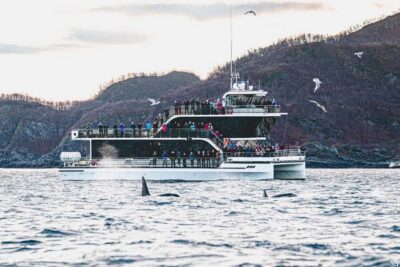
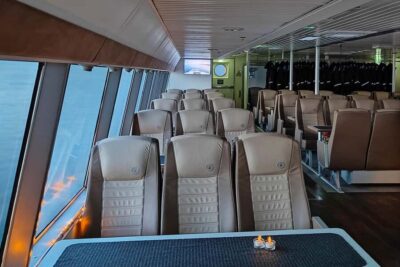
Silent Whale Watching by Hybrid-Electric Boat from Tromsø
Read our review →
Bleik: Whale Watching by Speedboat with Puffins and Muffins
Read our review →

Browse the lists this tour appears in