

Reviewed · WALKING TOURS
Oslo : Must-See Attractions Walking Tour With A Guide
Oslo rewards a good first walk. This private three-hour tour gives you a useful city introduction, linking the Royal Palace, Karl Johan, the Oslo Fjord, Akershus Fortress, and City Hall with a local guide. I like the private format, since you can shape the walk around your interests, and I like the mix of grand landmarks with waterfront districts and museum choices. The main caution is simple: the advertised list is very ambitious for three hours.
I also like the guide’s practical role. You are not only shown the sights, but given advice about what to do next in Oslo. Past feedback praises the guides for being kind, helpful, informative, and flexible with language. Still, you should confirm the exact stops and meeting arrangements before setting out, since one booking described confusion over pickup and found that several promised points could not fit into the available time.
In This Review
- Key points to know before booking
- Starting at The Viking Planet
- Karl Johan and Oslo’s royal center
- Oslo Fjord and Aker Brygge
- Akershus Fortress and Kvadraturen
- City Hall and the Nobel Peace Prize connection
- Choosing between museums and major sights
- Vigeland Sculpture Park as the outdoor alternative
- How the private format changes the experience
- The three-hour timing problem
- Is $65 good value in Oslo?
- Who should book this Oslo walk?
- FAQ
- Where does the Oslo walking tour start?
- How long does the tour last?
- Is this a private tour?
- Which languages are available?
- Are museum visits included?
- Is the tour wheelchair accessible?
- Should you book it?
Key points to know before booking
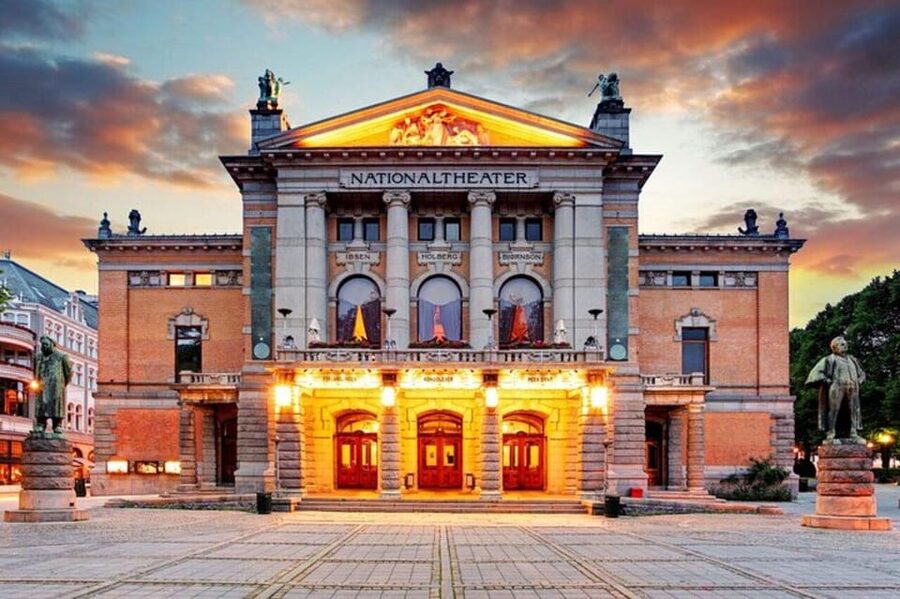
- Private from start to finish: Your group has its own guide, with no unrelated people joining.
- A broad Oslo sampler: The route can include the Royal Palace, Parliament, Karl Johan, Aker Brygge, Akershus Fortress, City Hall, museums, and Vigeland Park.
- Three hours requires choices: You may see one or two museums or major sites, but not every listed stop in meaningful detail.
- The waterfront adds variety: Oslo Fjord and Aker Brygge break up the architecture with open views, restaurants, and public art.
- English and Spanish are available: This is useful if you want a guide in one of those languages.
- Public transport is part of the plan: Walking and local transport are included unless you select an option with different arrangements.
Starting at The Viking Planet
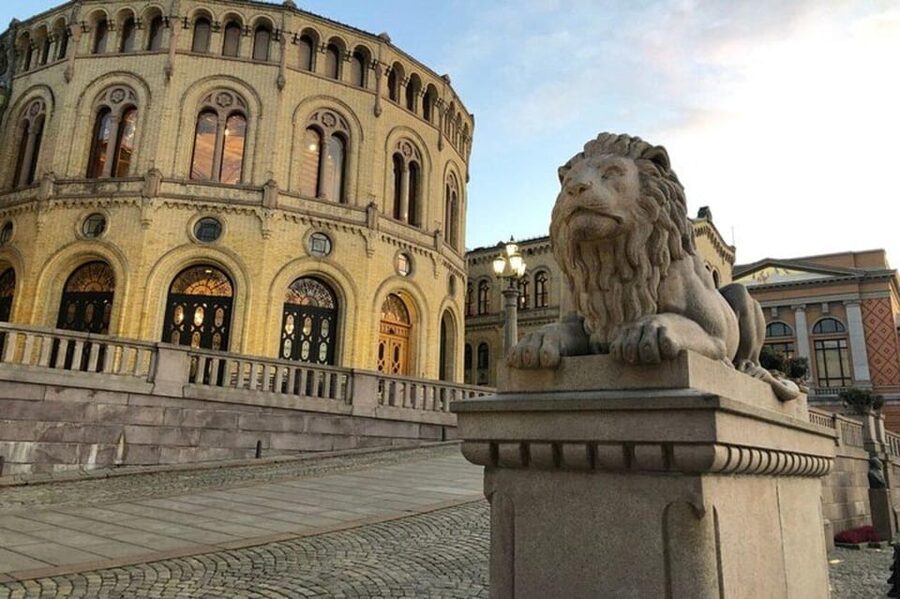
The meeting point is in front of The Viking Planet at Fridtjof Nansens plass 4. That is a sensible place to begin because it sits near several central sights and gives the guide an easy launch point into Oslo’s civic center.
The tour begins with a guided look at The Viking Planet, though the exact depth of that visit depends on the option you choose and the time available. The attraction gives you a first taste of Norway’s seafaring past, but you should ask whether your booking includes a full museum visit or simply a stop nearby.
This matters because the experience description uses museum visits in two ways. Some options include one or two museums, while the broad route also lists outdoor stops and major public buildings. Ask for a timed plan at the start, especially if a particular museum is the reason you booked.
The private setup helps here. A family interested in Viking history can request more time for that subject. An art lover can ask for the National Gallery instead. A first-time visitor may prefer to skip an indoor visit and see more of central Oslo.
More Walking Tours in Oslo
- Oslo: Best of Oslo Walking Tour
★ 4.5 · 458 reviews - Oslo: Guided Walking Tour of Central Oslo
★ 4.7 · 438 reviews - Oslo: Historic Myths & Legends Evening Walking Tour
★ 4.8 · 408 reviews
Karl Johan and Oslo’s royal center
From the starting point, the walk takes you into central Oslo and along Karl Johan, the city’s main street. This is where Oslo’s 19th-century civic character is easiest to grasp, with the Royal Palace and Parliament among the key sights.
The value of a guide is strongest here. A building can look like a quick photo stop when you are alone, but a local explanation gives the street a clearer role in Norway’s public life. The tour is designed to connect the royal, political, and commercial sides of the city rather than present isolated monuments.
The Royal Palace gives the route a formal opening. Parliament adds a political counterpoint, while Karl Johan acts as the link between them. You will not need to work out the basic geography yourself, and the guide can point out what deserves more of your time later.
There is one practical limit. A three-hour city walk cannot offer a long interior visit at every landmark. Treat these central buildings as guided exterior stops unless your guide confirms otherwise. If you want detailed access inside a particular building, ask before the tour begins.
Oslo Fjord and Aker Brygge
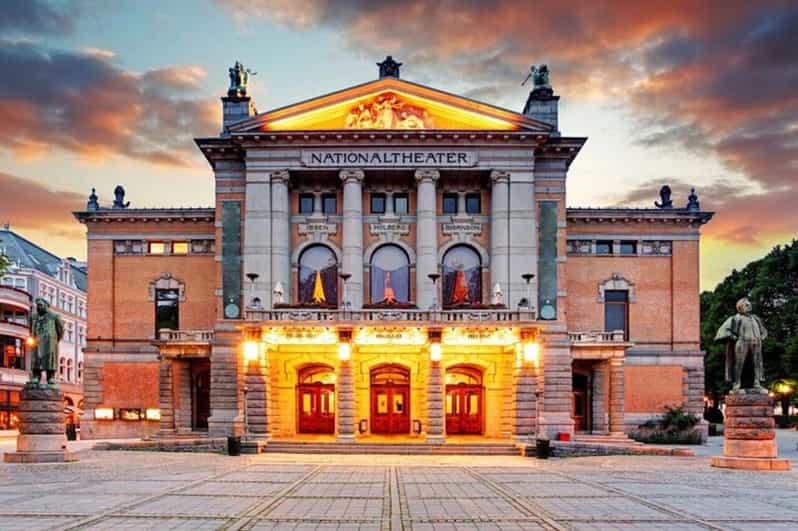
The route then turns toward the Oslo Fjord and Aker Brygge. This is one of the tour’s best changes of pace. After central streets and formal buildings, you get open water, harbor views, restaurants, public art, and a former shipyard that has been transformed into an upmarket district.
Aker Brygge is useful for orientation. It shows how Oslo combines its working waterfront past with newer restaurants, cultural venues, and leisure areas. You can also use this part of the walk to decide if you want to return later for a meal or a slower stroll.
I would pay attention to how much time the guide allows here. The waterfront is easy to appreciate quickly, but it rewards a few unhurried minutes. If your priority is photography, ask for a little breathing room. If your priority is museums, keep moving and save the harbor for a later independent visit.
The fjord stop also makes the tour feel broader than a standard monument walk. You are not seeing Oslo as only a capital of palaces and government offices. You are seeing its relationship with the water, which is central to the city’s identity.
Akershus Fortress and Kvadraturen
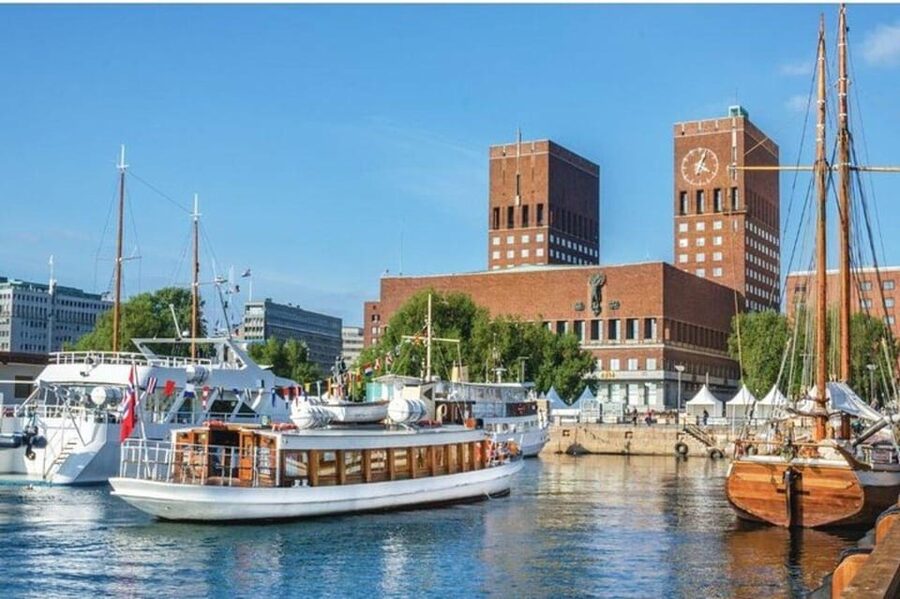
Akershus Fortress brings a much older layer of Oslo into the route. The medieval stronghold contrasts sharply with the 19th-century buildings around Karl Johan. That contrast is one of the tour’s strongest teaching moments because it shows that Oslo is not a city with one single architectural era.
Nearby Kvadraturen adds another historic section. The district is associated with 17th-century Oslo, and the route also includes Oslo Cathedral, or Domkirke. These stops help fill the gap between the medieval fortress and the later royal center.
You should expect a guided overview rather than a full historical study. The guide can explain why the fortress mattered and how the older city fits into modern Oslo, but the schedule leaves little room for a slow exploration of every corner.
Still, this section is valuable for first-time visitors. Akershus gives the walk its strongest sense of age, while the cathedral and Kvadraturen make the central city feel less polished and more layered. If you enjoy military sites, old streets, or church architecture, tell your guide early so the emphasis can shift in that direction.
A completely different kind of day out from Oslo:
- Oslo: Scenic Fjord Cruise with Audio Guide Commentary
★ 4.5 · 5,375 reviews - Oslo Nature Walks: Island Hopping Tour
★ 4.8 · 2,713 reviews - Oslo: 100% Electric Oslofjord Sightseeing Cruise
★ 4.4 · 2,041 reviews - Oslo: Fjord Evening Cruise with Shrimp Buffet
★ 4.5 · 1,956 reviews
City Hall and the Nobel Peace Prize connection

Oslo City Hall is another major stop. The building is known for hosting the Nobel Peace Prize ceremony, so it carries more than architectural interest. It connects the city to an international event that many people recognize before they arrive in Norway.
The planned visit is short, which is worth keeping in mind. You may see the building and receive an explanation of its role, but you should not assume that the tour includes an extended interior tour. The activity information describes a short visit, and the three-hour schedule makes that the realistic expectation.
City Hall works well in the sequence because it brings the tour back to public life after the fortress and waterfront. You move from medieval defense to civic government and global diplomacy within a compact area.
If you want to spend more time inside City Hall, ask your guide whether it can replace another stop. With a private group, that kind of adjustment is possible in principle, but the exact choice depends on the option booked and opening arrangements.
Choosing between museums and major sights
The optional museum section is where you need to make a decision. Depending on your chosen option, the tour can continue to Bygdøy for one or two museums, such as the Viking Ship Museum or the Polar Ship Fram. Another possibility is the National Gallery, with Edvard Munch paintings and French impressionist art.
These choices appeal to different interests:
- The Viking Ship Museum fits visitors who want more archaeological and maritime context.
- The Fram museum focuses on the polar ship and Norway’s exploration tradition.
- The National Gallery suits people who want art, including Munch and French impressionist works.
- Vigeland Sculpture Park is the better choice for public art and an outdoor walk.
The important point is that these are not interchangeable quick stops. A museum visit takes time, and Bygdøy is not simply another street corner in the center. Public transport is included, except with certain selected options, but moving across the city still uses part of your three-hour window.
I would not book this experience expecting a full visit to every museum named. Instead, choose one priority and ask the guide to build around it. If you try to include the Viking museum, Fram, the National Gallery, and Vigeland Park along with all the central sights, the result may feel rushed.
The National Gallery choice also needs a little care. Art displays and museum arrangements can change, so confirm what is available on your date. The attraction information specifically points to Munch and French impressionist art, but it does not promise a set gallery route.
Vigeland Sculpture Park as the outdoor alternative

Vigeland Sculpture Park is an optional addition and gives the tour a very different mood. Rather than moving from building to building, you walk among unusual sculptures in a large public park.
The park is known for its distinctive works, so it is a good choice if you want something visual and less formal than churches, government buildings, and fortifications. It also suits anyone who prefers outdoor sightseeing to museum interiors.
At the same time, Vigeland can consume a meaningful part of a three-hour tour. It is not a sensible add-on if you already want a museum and a detailed central Oslo walk. You will get more from the experience by choosing between the park and an indoor collection instead of trying to force both into the same afternoon.
Ask your guide which central stops would be shortened if you select Vigeland. The private format lets you make that trade, but the schedule cannot create extra time.
How the private format changes the experience
The group is private and exclusive, which is the clearest difference from a standard group walk. You do not have to wait for strangers, follow a fixed pace set by a large crowd, or listen to questions unrelated to your interests.
That can be especially helpful for families, couples, and small groups with different energy levels. You can request more history, more art, more waterfront time, or more advice about the rest of your stay. The guide can also help you decide which sights deserve a return visit.
The tour includes walking and public transport, and the provider offers help booking tickets for desired visits. Food and drinks are not included, so plan to buy those separately rather than expecting a café stop to be part of the price.
The guide’s usefulness extends beyond the three-hour route. The strongest praise focuses on kindness, helpfulness, language ability, and clear information about Oslo and its past. I would use the final part of the tour to ask about restaurants, museums, and places you plan to visit afterward. That practical conversation may be as useful as one extra photo stop.
English and Spanish are available. A private guide speaking your preferred language can make a real difference when a tour covers politics, art, military history, and urban change in a short period.
The three-hour timing problem
Three hours is enough for a strong introduction to Oslo. It is not enough for a slow, detailed visit to every place in the advertised route.
The central sights alone can fill the time if you stop for explanations at the Royal Palace, Parliament, Karl Johan, the fjord, Aker Brygge, Akershus Fortress, Kvadraturen, City Hall, and the cathedral. Add Vigeland Park or one or two museums, and choices become unavoidable.
One detailed Polish-language assessment praised the guide and said the group learned and saw a lot, but also felt the written program promised more than the schedule could deliver. It reported that one or two expected points were missing and that the meeting arrangement was not clear. That is useful warning, not a reason to reject the tour.
Before you start, confirm four things:
- Which museum, if any, is included
- Whether Vigeland Park replaces the museum visit
- Which central landmarks will receive only a brief exterior stop
- Exactly where the guide will meet you
This small conversation can prevent disappointment. Think of the experience as a customizable overview, not a complete Oslo sightseeing day.
Is $65 good value in Oslo?
At $65 per person, the price is reasonable if you value private guidance and want help shaping your first hours in the city. You are paying for a private group, a live guide, local advice, walking, and public transport under the stated arrangement. The ability to ask questions without a large group around you is part of the value.
The price becomes less attractive if you expect every museum and park visit to be included in depth. Museum tickets, food, and drinks are not included, and the tour may need to use public transport to reach Bygdøy or Vigeland. Ask which entrance tickets require separate payment and which visits are part of your selected option.
I see the best value for someone with limited time in Oslo. A good guide can help you understand the city quickly, then steer you toward the places worth revisiting alone. The value is weaker for an independent visitor who already knows the city and wants long museum visits rather than a broad orientation.
Free cancellation up to 24 hours before the start and reserve-now, pay-later terms make the booking less risky. The tour is also wheelchair accessible, although you should still confirm the exact route and transport plan if your group has specific mobility needs.
Who should book this Oslo walk?
I would recommend it to first-time visitors who want a private introduction and prefer conversation to a large fixed group. It also suits people who have only a short stay and need help deciding between Oslo’s museums, waterfront areas, old fortifications, and sculpture park.
Art lovers should request the National Gallery. Maritime history fans should ask about the Viking Ship Museum or Fram. People who prefer outdoor sights may get more from Aker Brygge, the fjord, and Vigeland Park.
I would be more cautious if you want a fully timed visit to every location named. The route covers a lot, and the three-hour limit means some stops will be brief or omitted. If one particular sight matters most, name it before the walk begins and accept that another stop may need to go.
FAQ
Where does the Oslo walking tour start?
The meeting point is in front of The Viking Planet at Fridtjof Nansens plass 4.
How long does the tour last?
The tour lasts three hours. Available starting times depend on the date you select.
Is this a private tour?
Yes. The experience is private and exclusive, so no one outside your group joins the tour.
Which languages are available?
The live tour guide is available in English and Spanish.
Are museum visits included?
Depending on the option selected, the tour can include one or two museums, such as the Viking Ship Museum, Fram, or the National Gallery. The exact visits should be confirmed when booking.
Is the tour wheelchair accessible?
Yes, the activity is listed as wheelchair accessible.
Should you book it?
Book this tour if you want a flexible first look at Oslo, a private guide, and clear advice about what to see next. Choose your top priority before you arrive, then ask the guide to build the three hours around it.
Do not book it expecting every landmark, museum, and park to receive a full visit. At $65, it offers good value as a personalized orientation, especially for a first visit. Its success depends on setting realistic expectations and confirming the exact route, meeting point, and museum choice in advance.
Just added around Oslo
- Visit the Instaworthy Spots of Oslo’s Vigeland Park with a Local★ 5.0 · 4 reviews
- Oslo: 3-hour Cross Country trip with equipment and guide★ 5.0 · 4 reviews
- Oslo: 2-hour Christmas Private Walking Tour★ 3.0 · 4 reviews
- Art and Museum Tour of Oslo★ 5.0 · 4 reviews
- Flavors of Oslo: Food & Beer Tour★ 4.8 · 4 reviews
- Private Transfer from Oslo City Centre to Oslo Airport★ 5.0 · 4 reviews
- 3-Hour Vattkørt Beginner Kayak Course on Oslo Fjord★ 5.0 · 4 reviews
- Hipstoric Grünerløkka Private Walking Tour★ 5.0 · 4 reviews
Walking Tours, compared.
Past & Present Small Group Guided Walking Tour
Read our review →
Walking Tour in Bergen of the Past and Present
Read our review →

Browse the lists this tour appears in