
Reviewed · WALKING TOURS
Myth and Legends Oslo Walking Tour
Oslo keeps its darker stories close. I like the way this private walk joins Norse gods, trolls, ghost horses, royal power, and wartime conflict in one compact route. I also like the personal guide format, especially after Maria and Marija earned praise for making the stories lively and easy to follow.
The main drawback is the fixed two-hour schedule. You will see many central sights, but the tour is better for a dramatic introduction than a slow study of each monument. The $304 group price is fair for a full private group of up to 16, less so for one or two people.
In This Review
- Key points at a glance
- Why Oslo’s myths make a good walking tour
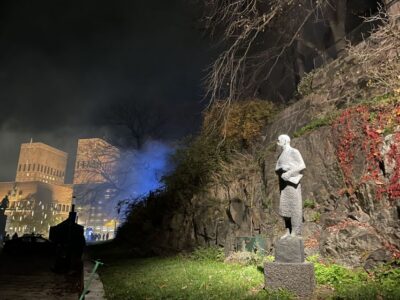
- Starting beside Oslo City Hall
- Akershus Fortress and Oslo’s darker side
- Kvadraturen, Oslo’s oldest planned district
- Following Karl Johan from Parliament to the Palace
- Norse gods, trolls, and ghost horses
- A private group for a focused two-hour walk
- What the price includes, and what it does not
- Who will enjoy this Oslo walking tour?
- Practical advice before you book
- Should you book the Myth and Legends Oslo Walking Tour?
- FAQ
- Where does the Myth and Legends Oslo Walking Tour meet?
- How long does the tour last?
- What language is the tour conducted in?
- Is this a private tour?
- What sights are included on the route?
- Are meals included?
- Is transportation included?
- Is the tour wheelchair accessible?
- Can children join the tour?
- What should I bring?
Key points at a glance
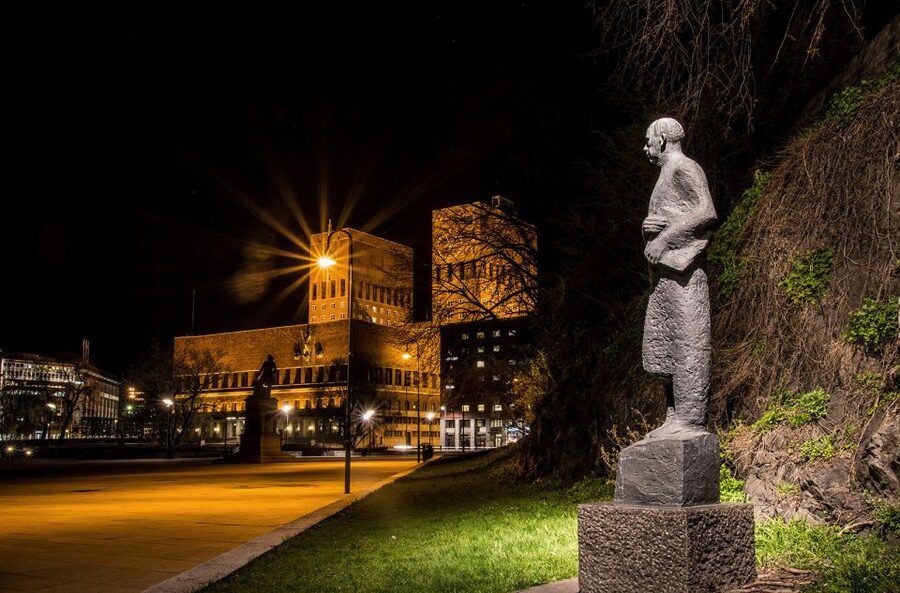
- Akershus Fortress gets a darker treatment: You explore the old royal stronghold through stories of battles, fear, and its less-seen corners.
- The route covers Oslo’s historic core: Begin at City Hall, continue through Akershus and Kvadraturen, and finish along Karl Johan.
- Norse mythology shapes the storytelling: Gods and goddesses are tied to Oslo’s buildings, architects, and urban character.
- Private groups keep the pace personal: Your English-speaking guide can focus the experience on your group rather than a large crowd.
- The guide makes or breaks the walk: Maria and Marija received especially warm praise for clear, engaging storytelling.
- Comfortable shoes matter: This is a two-hour city walk, with no transport or meal included.
Why Oslo’s myths make a good walking tour
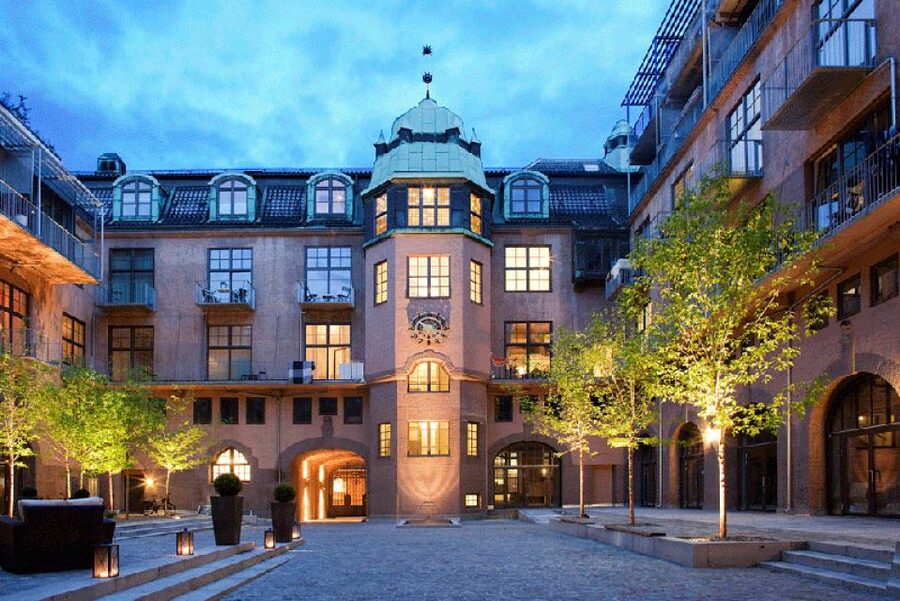
Oslo is more than 1,000 years old, and that age gives the city plenty of material for a story-based walk. Viking memories, Norse gods, royal authority, neighboring wars, and unsettling tales all share the same streets.
That mix is the appeal here. You are not simply ticking off City Hall, the fortress, the Parliament, and the Royal Palace. Your guide connects those places to the beliefs and fears that helped shape Oslo. The result should feel less like a list of dates and more like a walk through the city’s imagination.
The tone is not meant to be a ghost hunt. The tour description makes that clear, while still promising the occasional spooky feeling. That balance matters. You get legends and eerie stories, but the walk remains a history tour rather than a theatrical scare show.
I would choose this experience if you enjoy stories that make buildings feel more memorable. If you want detailed military history, long museum visits, or a full account of every royal resident, you may find the pace too brisk.
More Walking Tours in Oslo
- Oslo: Best of Oslo Walking Tour
★ 4.5 · 458 reviews - Oslo: Guided Walking Tour of Central Oslo
★ 4.7 · 438 reviews - Oslo: Historic Myths & Legends Evening Walking Tour
★ 4.8 · 408 reviews
Starting beside Oslo City Hall
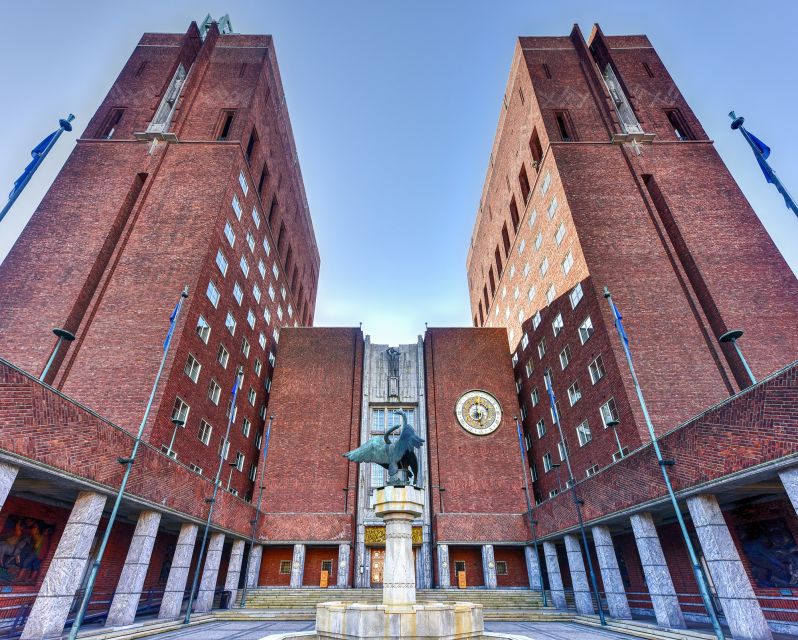
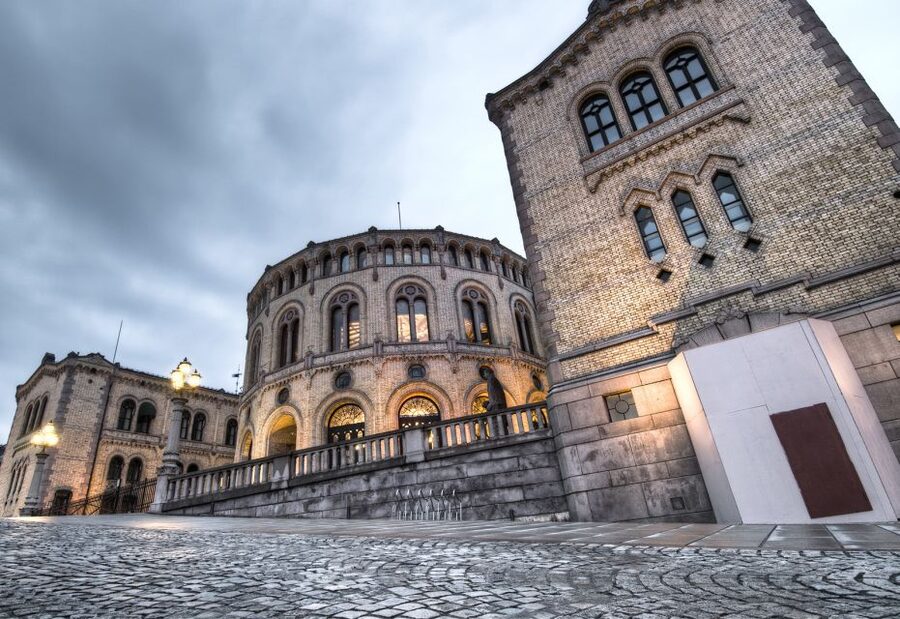
The official meeting point is the Swan fountain at the entrance to Oslo City Hall. This is a practical place to begin because it puts you near the heart of central Oslo and gives the guide an immediate chance to set the mood.
City Hall is not just a meeting marker. It helps frame the city as a place where modern civic life sits beside older royal, religious, and military stories. From here, the route moves toward Akershus Fortress and then into the oldest part of the planned 17th century city.
A downtown hotel pickup is included, while transport during the walk is not. That means you should think of this as a walking experience from the first major stop to the last. If you plan to use the hotel pickup option, confirm the arrangement when booking, since the stated meeting point remains the City Hall fountain.
Akershus Fortress and Oslo’s darker side
Akershus Fortress is the emotional center of the tour. The old royal fortress has long been tied to Oslo’s identity, and its walls provide the right setting for stories of power, conflict, and danger.
Your guide is expected to show you a less familiar side of the buildings and squares around the fortress. The useful phrase here is different side. This is not just a photo stop where you admire stone walls and move on. The guide uses the setting to explain the grim episodes and legends linked with Oslo’s past.
The fortress also gives the tour a strong sense of place. Tales of bloody battles between neighboring countries feel more immediate when told beside a defensive complex rather than in a classroom. The setting does some of the teaching for you.
Still, keep your expectations measured. The experience lasts only two hours and includes several districts after Akershus. You will hear selected stories, not receive a full military tour of every fortification. If you want to linger over the fortress itself, plan separate time before or after the walk.
Kvadraturen, Oslo’s oldest planned district
From the fortress, the route continues through Kvadraturen, the oldest part of the 17th century city. This section is valuable because it shifts the focus from medieval defense to the shape of the city people built around it.
The name refers to the district’s grid-like plan, and the streets offer a useful contrast with the fortress. Here, the guide can show how Oslo developed as an organized urban center after earlier eras of settlement and conflict.
The myths become especially useful in this setting. Instead of treating Norse gods and goddesses as distant figures from a textbook, the guide links them to architecture and city planning. That connection gives you a way to notice details you might otherwise walk past.
I would pay close attention to how the guide moves between fact and legend. Good storytelling should make clear what belongs to recorded history, what comes from Norse mythology, and what has grown through local tales. The supplied information promises an expert English-speaking guide, and the strongest comments about Maria and Marija point to clear, engaging delivery.
A completely different kind of day out from Oslo:
- Oslo: Scenic Fjord Cruise with Audio Guide Commentary
★ 4.5 · 5,375 reviews - Oslo Nature Walks: Island Hopping Tour
★ 4.8 · 2,713 reviews - Oslo: 100% Electric Oslofjord Sightseeing Cruise
★ 4.4 · 2,041 reviews - Oslo: Fjord Evening Cruise with Shrimp Buffet
★ 4.5 · 1,956 reviews
Following Karl Johan from Parliament to the Palace
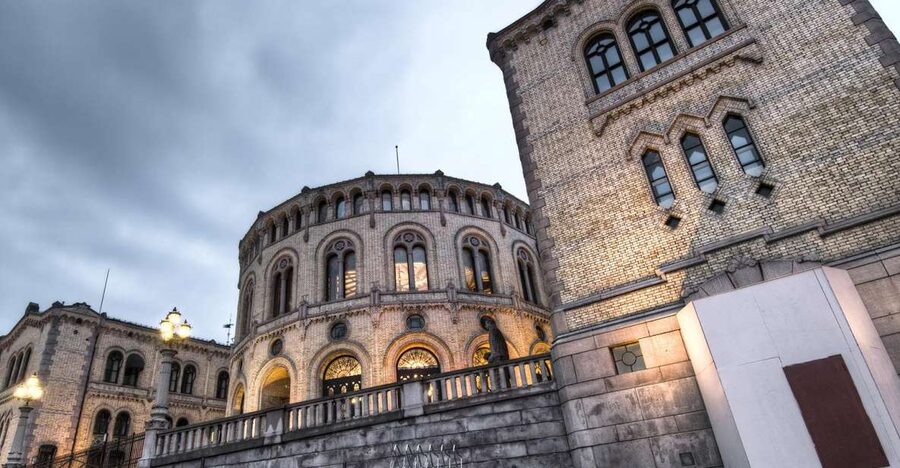
The walk finishes on Karl Johan, Oslo’s main street. This final stretch gathers several major civic and cultural sights into one sequence: the Parliament, the National Theater, the University, the Royal Palace, and the Grand Café.
That ending gives the tour a satisfying sense of direction. You begin near City Hall, pass through the fortress and the older grid of Kvadraturen, then arrive along the city’s best-known ceremonial avenue. In a short time, you get a broad view of Oslo’s center, from municipal power to royal life and public culture.
The old Royal Palace is described as a recognizable symbol of the city. Even if you have already seen photographs of it, hearing the story around it can change the way you look at the building. The same goes for the Parliament and University. They are not isolated stops, but part of the city’s story about government, learning, monarchy, and national identity.
The National Theater and Grand Café add a more social and cultural note to the ending. The tour does not include meals, so do not expect a café break as part of the booking. The Grand Café is a landmark on the route, not an included dining stop.
Norse gods, trolls, and ghost horses
The mythology is what separates this walk from a standard central Oslo orientation tour. You can expect stories involving Norse gods and goddesses, trolls, ghost horses, and other unsettling elements.
The comments about Maria and Marija suggest that the storytelling is one of the tour’s strongest points. Maria was praised for making the narration captivating, while Marija was credited with bringing together trolls, ghost horses, and Norse mythology in a way that made the city more engaging.
Those details also tell you what kind of experience this is. The tour is not only about famous people and official dates. It uses folklore to explain how people imagined danger, nature, power, and the supernatural. That makes it a good choice for anyone who remembers a place better through a story than through a collection of facts.
The guide’s personality matters greatly here. A mythology tour can feel flat if the narration becomes a string of names that are hard to pronounce and harder to remember. The positive comments about personable and entertaining guides are encouraging, but the tour’s success will still depend on the guide assigned to your date.
A private group for a focused two-hour walk
This is a private tour for up to 16 people. That arrangement changes the value of the experience. You are not joining an unlimited public group, and the guide can speak directly to your party.
For a large family or friend group, $304 works out to $19 per person if all 16 places are filled. At eight people, it is $38 per person. For two people, the same total becomes $152 each, which is much harder to justify unless you place a high value on having a private guide.
The group size also affects how the stories land. A private setting can make it easier to ask questions or request a little more attention at a particular sight. The tour data does not promise a customized route, so do not assume you can replace major stops with entirely different ones. But the private format should feel more personal than a large scheduled walk.
The two-hour length is sensible for a first look at central Oslo. You cover a lot without giving up an entire day. At the same time, the route is ambitious. City Hall, Akershus Fortress, Kvadraturen, and the long Karl Johan finish add up to a full walk, so wear comfortable shoes.
What the price includes, and what it does not
The fee includes an English-speaking expert guide, all taxes, and pickup from any downtown hotel. It does not include meals or transport.
The strongest value comes when you fill the private group. A full party gets a broad city walk, a dedicated guide, and a theme that adds more character than a basic orientation stroll. A smaller group should compare the cost with other private tours before booking.
There is also practical value in the route itself. Since the walk connects many central sights, you do not need to arrange separate transport between them. You finish on Karl Johan, where you can continue exploring the city center on your own.
The tour does not appear to include entry fees or interior visits as a central feature. That makes it best understood as an outdoor walking tour with guided storytelling. If your priority is going inside museums, royal rooms, or fortress buildings, this will not replace those visits.
Who will enjoy this Oslo walking tour?
I would recommend it most strongly to adults and older teenagers who enjoy history with a spooky edge. Children under 12 are not considered suitable for the tour, so families with younger children should choose another activity.
It also suits first-time visitors who want to understand how the center fits together. In two hours, you move from City Hall to the fortress, through Kvadraturen, and along Karl Johan. That gives you a useful mental map for later sightseeing.
The tour is a good match for:
- Couples who want a private introduction to Oslo
- Families with children aged 12 and older
- Friends who enjoy mythology, folklore, and dark historical stories
- Visitors with only a short time in central Oslo
- Groups that prefer an English-speaking private guide
You may want to skip it if you dislike legends, have limited walking ability, or want an in-depth visit to one site. The tour is wheelchair accessible, which is helpful, but the experience still takes place on a city walking route. Ask for current route details if you need to check specific surfaces or access points.
Practical advice before you book
Wear comfortable shoes. That is the one clear packing tip, and it is good advice for a route that links several central districts.
Allow enough time to reach the Swan fountain at City Hall if you are not using the downtown hotel pickup. The listed meeting point is specific, so do not rely on finding the group somewhere near the fortress.
The tour is offered in English with a live guide. If your group includes people who prefer a different language, this experience will not meet that need based on the stated information.
The booking terms are flexible: you can reserve now and pay later, and cancellation is free up to 24 hours before the tour for a full refund. One unfortunate booking had no guide appear, but the refund and customer service response were handled well. That isolated problem is worth keeping in mind, though the overall rating of 4.7 from 20 reviews points to a generally positive experience.
Should you book the Myth and Legends Oslo Walking Tour?
Book it if you want a story-led introduction to central Oslo, especially if your group is large enough to make the private price reasonable. The mix of Akershus Fortress, Kvadraturen, Karl Johan, Norse mythology, trolls, and ghost horses gives the walk a clear personality.
I would be more cautious for a solo visitor or couple paying the full $304. You may get better value from a less expensive shared walk unless privacy and direct access to a guide matter a great deal.
For the best fit, choose this tour early in your Oslo stay. It can help you get oriented, point out places to revisit, and give the city’s major buildings a memorable story. Just arrive ready to walk, listen closely, and accept that legends are part of the fun.
FAQ
Where does the Myth and Legends Oslo Walking Tour meet?
The meeting point is the Swan fountain at the entrance of Oslo City Hall in Oslo.
How long does the tour last?
The walking tour lasts two hours.
What language is the tour conducted in?
The tour is conducted in English with a live English-speaking guide.
Is this a private tour?
Yes. The experience is offered as a private group tour for up to 16 people.
What sights are included on the route?
The route begins at Oslo City Hall, continues to Akershus Fortress and the 17th century district of Kvadraturen, and finishes on Karl Johan. Along Karl Johan, you see the Parliament, National Theater, University, Royal Palace, and Grand Café.
Are meals included?
No. Meals are not included in the tour price.
Is transportation included?
Transport is not included, but pickup from any downtown hotel is listed as included.
Is the tour wheelchair accessible?
Yes. The activity is identified as wheelchair accessible.
Can children join the tour?
Children under 12 are not considered suitable for this experience.
What should I bring?
Bring comfortable shoes for the two-hour city walk.
Just added around Oslo
- Visit the Instaworthy Spots of Oslo’s Vigeland Park with a Local★ 5.0 · 4 reviews
- Oslo: 3-hour Cross Country trip with equipment and guide★ 5.0 · 4 reviews
- Oslo: 2-hour Christmas Private Walking Tour★ 3.0 · 4 reviews
- Art and Museum Tour of Oslo★ 5.0 · 4 reviews
- Flavors of Oslo: Food & Beer Tour★ 4.8 · 4 reviews
- Private Transfer from Oslo City Centre to Oslo Airport★ 5.0 · 4 reviews
- 3-Hour Vattkørt Beginner Kayak Course on Oslo Fjord★ 5.0 · 4 reviews
- Hipstoric Grünerløkka Private Walking Tour★ 5.0 · 4 reviews
Walking Tours, compared.

Past & Present Small Group Guided Walking Tour
Read our review →
Walking Tour in Bergen of the Past and Present
Read our review →


Browse the lists this tour appears in