
Reviewed · WILDLIFE
Skjervøy: Birds and Wildlife of Arctic Norway
Wildlife here follows its own timetable. This three-hour rib-boat trip from Skjervøy searches the fjords for white-beaked dolphins, harbor porpoises, seals, otters, eagles, seabirds, moose, and reindeer, while a local guide adds Sami and Norwegian stories to the ride. I like the small local company and its Varde quality certificate for whale watching, a Norwegian quality mark. I also like that the crew puts real attention into hosting people safely and comfortably.
The catch is simple: nature does not take reservations. Whales may be absent, birds can shift with the season, and a snow shower can change the view in minutes. One recent outing had a clear window between two snow showers, but no wildlife appeared that day. You need to value the boat ride and Arctic setting, not only a promised animal sighting.
In This Review
- The five things that shape this Arctic boat trip
- A 09:30 start in Skjervøy
- Setting out in a RIB
- Searching for dolphins and smaller marine life
- Whale season and the limits of timing
- Eagles, seabirds, and a seasonal calendar
- Sami and Norwegian stories on the water
- Weather is part of the itinerary
- Who gets the best value from $165?
- My practical verdict for Skjervøy
- FAQ
- How long is the Skjervøy wildlife trip?
- Where does the tour begin?
- Where does the activity end?
- What animals might I see?
- Can I see whales after the winter season?
- What birds might appear?
- Is the tour good for bird watching?
- What clothing and safety equipment are provided?
- Is transport from Tromsø included?
- Who should not take this activity?
The five things that shape this Arctic boat trip
- Three hours on a steady RIB: The outing runs from 09:30 to 12:30 and uses a safe, stable rigid inflatable boat.
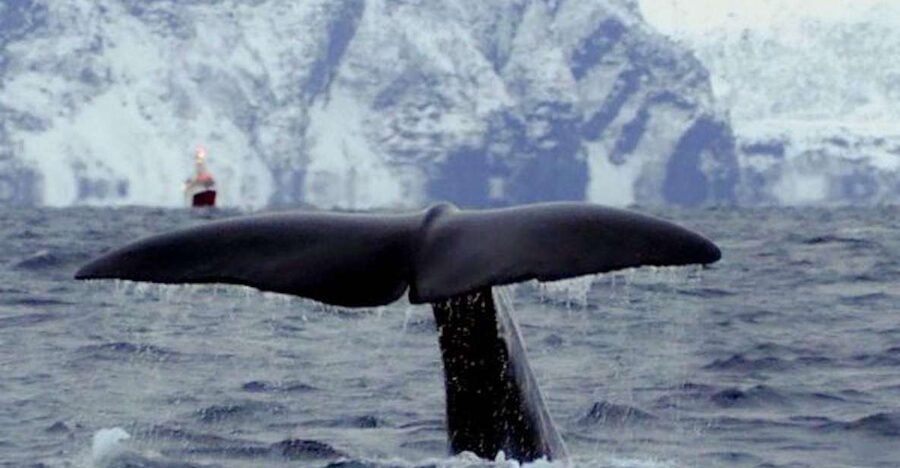
- White-beaked dolphins and porpoises: These are the regular marine residents most associated with the area and can appear at different times of year.
- Birds change with the season: Eagles, cormorants, puffins, guillemots, razorbills, little auks, Arctic terns, eider ducks, and long-tailed ducks may be part of the search.
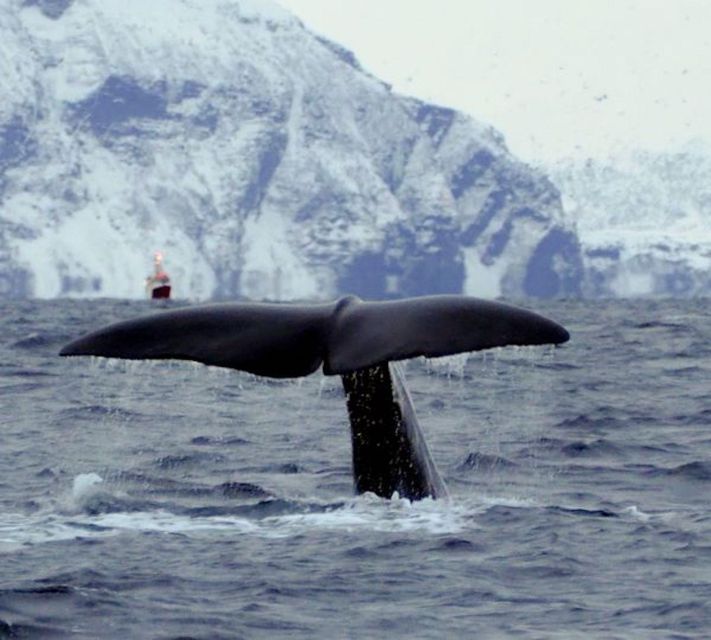
- Whale sightings are not guaranteed: Winter whales leave the fjords around the end of January, though juvenile humpbacks and other passing cetaceans can still appear.
- Local stories add meaning: The guide introduces the Sami and Norwegian people who have shaped life around these waters.
- Cold-weather gear is supplied: Thermal suits, life vests, mittens, and goggles are included, but you still need warm clothing.
A 09:30 start in Skjervøy
The trip begins at the activity provider’s meeting point. Look for the red door and large windows marked with the company name. The excursion returns to this same place, which keeps the morning simple and avoids a second pickup point at the end.
The scheduled duration is three hours, from 09:30 to 12:30. That timing matters if you are arranging a full day in northern Norway. You have a clear morning block, but you need to reach Skjervøy on your own. Transport to and from Tromsø is not included, so this is not a door-to-door Tromsø excursion.
The price is $165 per person. That is a serious spend for three hours, but it includes the boat, safety equipment, cold-weather clothing, and a professional local guide who speaks Norwegian and English. I see the value most clearly if you already plan to be in Skjervøy and want a focused Arctic nature experience. It is less attractive if you are paying mainly for a guaranteed whale encounter.
A few more trips worth weighing up
- Tromso Snowshoeing – Valley, Fjord Views, Wildlife, Meal & Pickup
★ 5.0 · 398 reviews - From Svolvaer: Trollfjorden Wildlife RIB Cruise
★ 4.8 · 355 reviews - Tromsø: Winter Sea Kayaking Tour with Wildlife Sightings
★ 4.9 · 333 reviews
Setting out in a RIB
The rigid inflatable boat gives the trip its character. You are close to the water rather than looking down from a large sightseeing vessel. The operator describes the boat as safe and steady, and the supplied life vest, thermal suit, mittens, and goggles are practical signs that the company expects genuine Arctic conditions, not just a chilly harbor ride.
The cold is worth taking seriously. Wear warm clothing underneath the supplied suit. The provided gear helps protect you from wind and spray, but it does not turn the morning into an indoor activity. If you are sensitive to cold, extra layers will make the three hours much more pleasant.
The boat ride itself is part of the experience, even when an animal stays out of sight. Fjords, open water, snow showers, rocky shores, and changing Arctic light provide the setting. Still, a RIB is not the best match for everyone. The activity is not suitable for people with back problems, and children under six cannot take part.
The trip is listed as wheelchair accessible, but the information does not describe the exact boarding arrangement or whether every part of the RIB ride can be adapted. If access is important to you, confirm the practical details before booking.
Searching for dolphins and smaller marine life
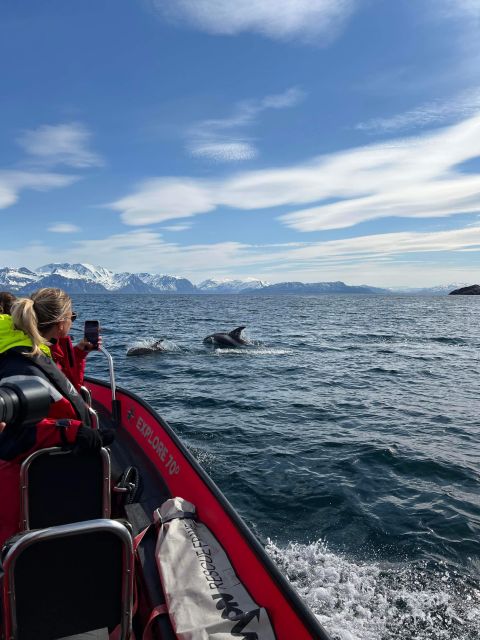
White-beaked dolphins and harbor porpoises are described as common in the waters around Skjervøy throughout the year. That makes them the most realistic marine targets of the outing, though common never means certain on one particular morning.
I like this part of the trip because it gives the search a wider purpose. You are not simply waiting for a whale to surface. The guide may watch for smaller cetaceans, then shift attention toward seals and otters, both of which can also appear in the area.
The experience is dynamic. The company does not present wildlife as a fixed schedule because the animals move, the weather changes, and visibility varies. That honesty is important. You may see a dolphin group close to the boat, or you may spend much of the ride scanning the water without a clear sighting.
Bring patience and keep your expectations flexible. The best reason to choose this tour is the chance to see Arctic wildlife in its own setting, not the certainty of a photograph.
Whale season and the limits of timing
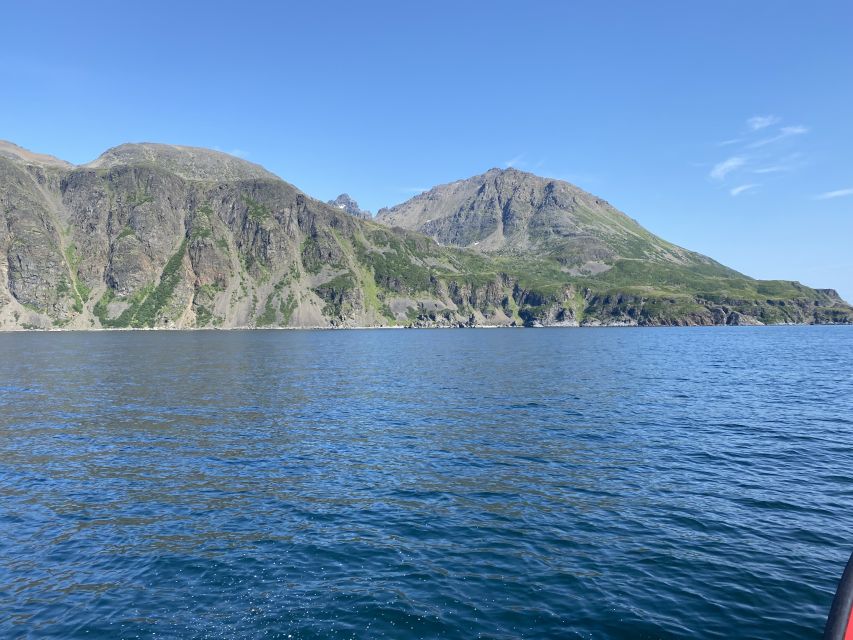
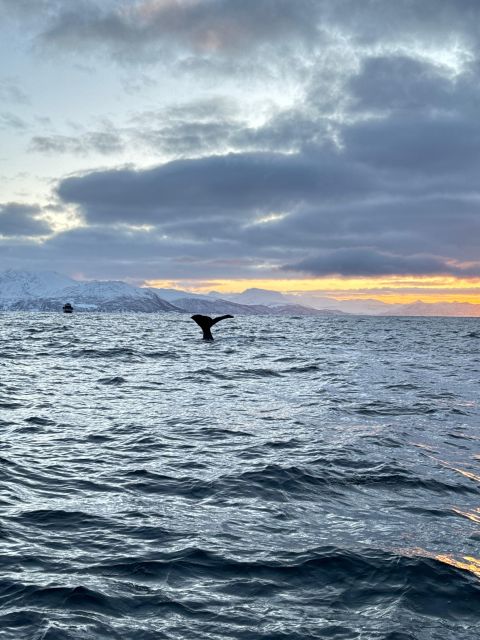
Whale watching around Skjervøy is tied closely to the calendar. The winter whales leave their feeding areas in the fjords around the end of January. After that, cetaceans are still sometimes seen, including juvenile humpback whales and other whales traveling through the fjord system.
This makes the timing of your visit important. The information provided does not promise a particular species or say that every departure is aimed at the same animals. Ask about recent conditions if whales are your main goal, but understand that even a good season can produce an empty outing.
The company’s Varde quality certification for whale watching is a useful point in its favor. It signals that the operator meets a Norwegian quality standard for this type of activity. It does not guarantee whales, weather, or perfect viewing. It does suggest that safety and operating standards matter to the company.
I would book this for the full Arctic wildlife picture, not just for humpbacks. If a whale appears, it is an excellent bonus. If not, dolphins, porpoises, birds, the fjord ride, and local stories still give the morning substance.
A completely different kind of day out from Norway:
- From Bergen: The Original Fjord Cruise to Mostraumen
★ 4.7 · 8,440 reviews - Tromsø: Reindeer Sledding & Feeding with a Sami Guide
★ 4.8 · 6,417 reviews - Stavanger: Scenic Fjord Cruise to Lysefjord and Preikestolen
★ 4.6 · 5,791 reviews - Oslo: Scenic Fjord Cruise with Audio Guide Commentary
★ 4.5 · 5,375 reviews
Eagles, seabirds, and a seasonal calendar
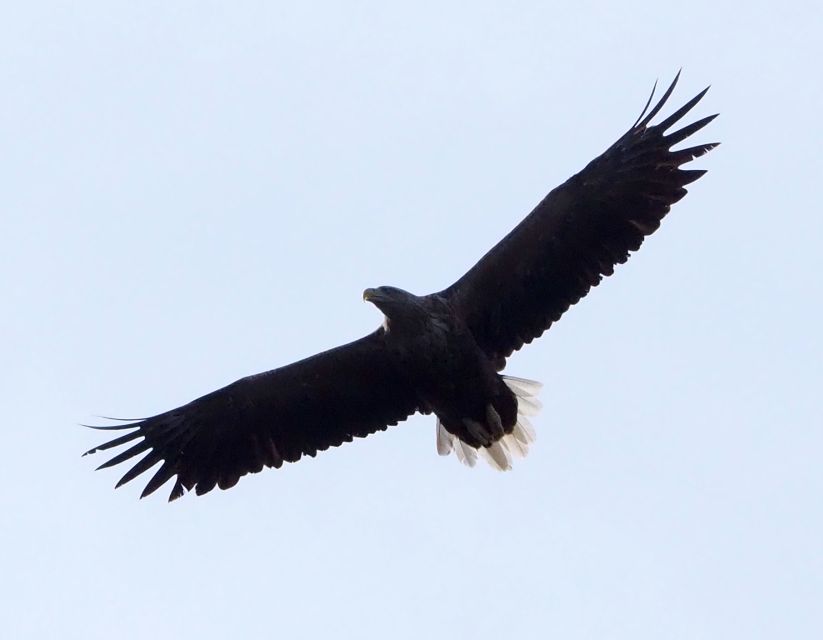
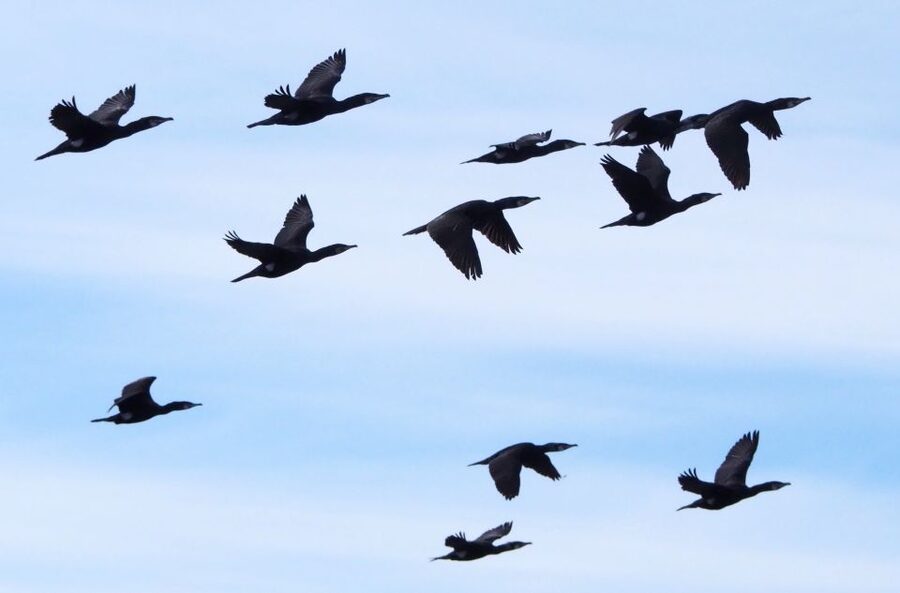
Birdlife is one of the strongest reasons to consider this trip beyond winter whale season. Eagles and cormorants are singled out for their size and powerful wing movement. They can make a sighting memorable even when the sea remains quiet.
The possible list is long: puffins, guillemots, razorbills, little auks, Arctic terns, eider ducks, and long-tailed ducks. Spring and summer are described as especially rewarding for birdlife. If birds matter more to you than whales, those seasons may offer the better fit, although exact sightings still depend on conditions.
Each bird gives the guide a chance to explain how life works around the fjords. Puffins and auks bring a sense of the open sea, while ducks and cormorants connect more directly with coastal waters. Eagles add the drama. You do not need to be a trained bird watcher to enjoy this, but binoculars are not listed as part of the equipment, so bring your own if you have them.
Keep your eyes moving. The company also watches the shore for moose and reindeer. These land animals are commonly seen in the wider area, and spotting one from the water gives the outing a pleasant surprise.
Sami and Norwegian stories on the water
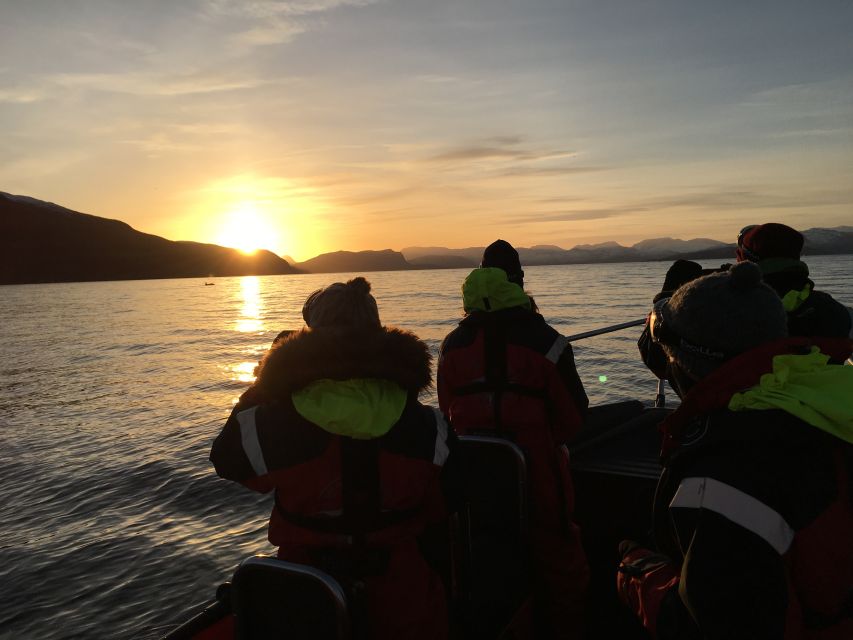
The tour is not only a wildlife search. The guide also explains how Sami and Norwegian people have shaped the area over many generations. That cultural context makes the fjords more than a scenic backdrop.
I especially value this addition because a fast boat ride can otherwise become a string of animal checks: look left, look right, wait, move on. Local storytelling gives you a way to understand why people live around these waters and how culture connects with the sea and shore.
The guide leads in English, with Norwegian language skills as well. The company places emphasis on personal attention and hosting, which should suit people who prefer a more attentive local operation rather than a large, impersonal sightseeing setup.
The exact stories will depend on the guide and the conditions of the day. No guide names are provided, so I cannot point you toward a particular individual. What is clear is that storytelling is treated as a central part of the activity, not a filler used only when animals fail to appear.
Weather is part of the itinerary
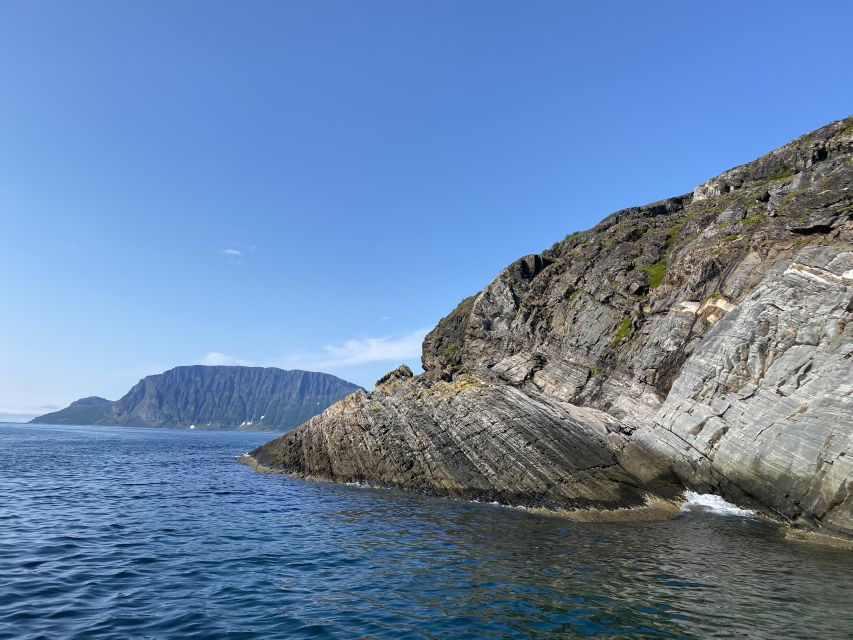
In Arctic Norway, weather is not a minor detail. It can decide how much you see and how comfortable you feel. A recent trip passed between two snow showers, creating a workable three-hour window, yet wildlife did not appear. That is a useful picture of the experience: the weather may cooperate while nature does not.
You should wear warm clothing even though thermal suits are included. Mittens and goggles are supplied, along with a life vest. Alcohol, drugs, and intoxication are not allowed, which is sensible on a cold-weather boat with safety equipment.
The operator permits free cancellation up to 24 hours before departure for a full refund. You can also reserve and pay later, which helps when your northern Norway plans depend on weather and transport. Those policies reduce some booking risk, but they cannot remove the basic uncertainty of a wildlife trip.
Who gets the best value from $165?
I think the price makes the most sense for three types of people:
- You already have access to Skjervøy and want a local sea excursion.
- You enjoy wildlife watching even when sightings are uncertain.
- You want Arctic scenery and cultural context, not only a whale photograph.
The cost is harder to justify if you are traveling from Tromsø solely for this three-hour activity, since transport is not included. You would need to budget for reaching Skjervøy and returning, then allow enough time around the fixed morning schedule.
The Varde certification, safety gear, local guide, and small-company approach help support the price. So does the range of possible wildlife. You are paying for a properly equipped search through Arctic waters, not an admission ticket to a wildlife enclosure.
The published rating is 4.2 from six reviews, which is encouraging but based on a small sample. The most useful practical lesson is not the number. It is the reminder that the boat ride can be excellent while wildlife remains absent on a particular day.
My practical verdict for Skjervøy
I would choose this outing if I had three hours in Skjervøy and wanted a well-rounded introduction to Arctic nature. The mix of dolphins, porpoises, possible seals and otters, seabirds, eagles, shore animals, and local culture gives the trip more depth than a whale-only promise.
I would be cautious about booking it as a single-purpose whale hunt. Whale sightings change with the season, and the end of January marks an important shift as winter whales leave their feeding areas. Spring and summer may be especially appealing for birdlife, while passing whales can still appear later.
Book it if you can accept uncertainty, dress properly, and enjoy the fjords even during a quiet wildlife morning. Skip it if you need guaranteed sightings, dislike cold boat rides, or have back problems. For everyone else, this is a practical way to meet the wild side of Arctic Norway with a local team and a clear respect for the place.
FAQ
How long is the Skjervøy wildlife trip?
The activity lasts three hours. The scheduled time is 09:30 to 12:30, though you should check availability for current starting times.
Where does the tour begin?
Meet at the activity provider’s location in Skjervøy. Look for the red door and large windows with the company name.
Where does the activity end?
The boat trip ends back at the same meeting point.
What animals might I see?
Possible sightings include white-beaked dolphins, harbor porpoises, seals, otters, whales, moose, and reindeer. Wildlife presence changes during the year and is not guaranteed.
Can I see whales after the winter season?
Whales are still seen from time to time after the winter whales leave the fjords around the end of January. Juvenile humpbacks and other traveling cetaceans may pass through the fjord system.
What birds might appear?
Possible birds include eagles, cormorants, puffins, guillemots, razorbills, little auks, Arctic terns, eider ducks, and long-tailed ducks.
Is the tour good for bird watching?
Spring and summer are described as especially strong periods for birdlife. Sightings still vary with the season and conditions.
What clothing and safety equipment are provided?
The operator provides thermal suits, life vests, mittens, and goggles. You should also bring warm clothing.
Is transport from Tromsø included?
No. Transport to and from Tromsø is not included in the $165 price.
Who should not take this activity?
The trip is not suitable for children under six or for people with back problems. Alcohol, drugs, and intoxication are not allowed.
Just added around Norway
- From Alta: Experience Seiland National Park★ 4.3 · 4 reviews
- Private hiking tour Bergen mountains like a local★ 5.0 · 4 reviews
- Oslo: 3-hour Cross Country trip with equipment and guide★ 5.0 · 4 reviews
- Visit the Instaworthy Spots of Oslo’s Vigeland Park with a Local★ 5.0 · 4 reviews
- Flexible tour to Hardangerfjord vøringsfossen cruise include★ 5.0 · 4 reviews
- Oslo: 2-hour Christmas Private Walking Tour★ 3.0 · 4 reviews
- Art and Museum Tour of Oslo★ 5.0 · 4 reviews
- Bergen: Private Waterfalls and Wonders of Fjord Norway★ 5.0 · 4 reviews
Wildlife, compared.
Tromso Snowshoeing – Valley, Fjord Views, Wildlife, Meal & Pickup
Read our review →
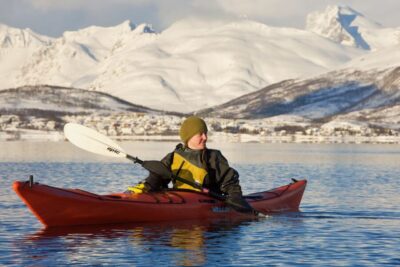
Winter Sea Kayaking Tour with Wildlife Sightings
Read our review →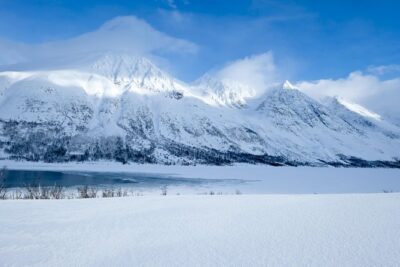
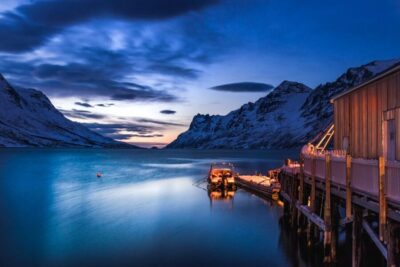
Arctic Wildlife & Fjord Sightseeing Tour by Car
Read our review →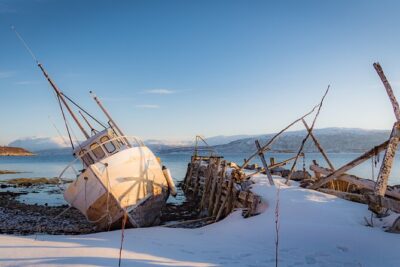
Half-Day Scenic Wildlife & Photographic Fjord Tour.
Read our review →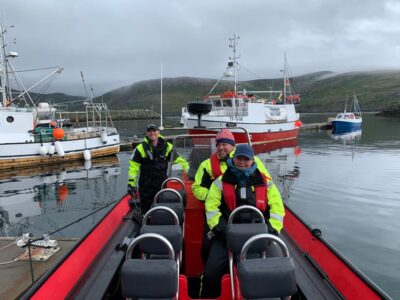
Browse the lists this tour appears in