
Reviewed · FJORD CRUISES
Geiranger: Sky to Fjord Downhill Biking Adventure
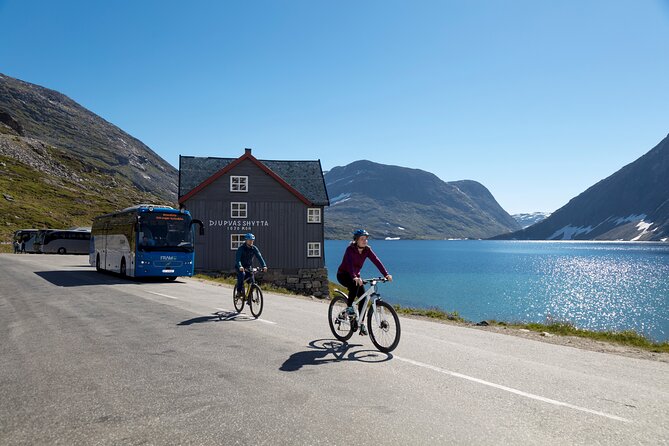
The fjord waits below your front wheel. This Geiranger downhill bike ride begins high at Djupvatn Lake, then drops 16 kilometers toward the village through mountain views, waterfalls, and famous viewpoints. I love the freedom to stop for photos whenever you wish, and I like that the small group, capped at six, keeps the transfer personal. The catch is important: you ride without a guide on a public road shared with buses and other traffic.
You get the bike, helmet, gloves, visibility vest, and an air-conditioned ride up the mountain. That makes the outing easy to arrange, especially during a cruise stop. Still, I would inspect the equipment carefully and confirm that the brakes, seat, helmet, and vest fit before setting off.
In This Review
- Key points to know before riding
- Starting high above Geiranger at Djupvatn Lake
- A 16-kilometer descent with one short uphill section
- Blåfjell and Kvandalls waterfall bring the first rewards
- Opplenskedalen Valley and Knuten slow the pace
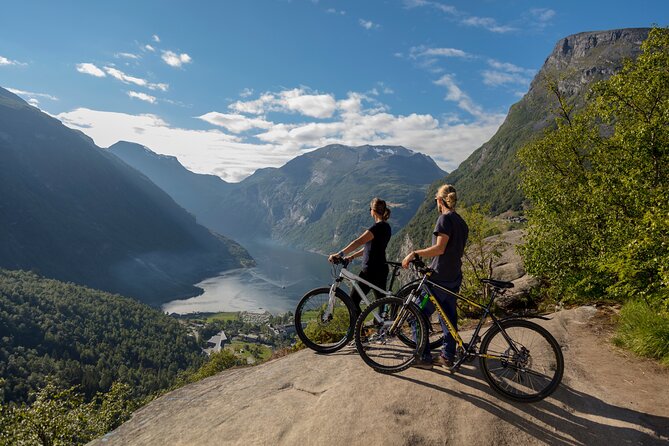
- Flydalsjuvet is the grand finale
- The equipment deserves a careful inspection
- What the $160.09 price really covers
- Who should book this downhill ride
- Practical details for a smoother ride
- Should you book the Geiranger downhill bike adventure?
- FAQ
- Where does the Geiranger downhill bike ride begin?
- How far do I ride?
- Is a guide present during the bike ride?
- What equipment is included?
- Is the ride physically difficult?
- How many people can join the activity?
- What happens if the weather is poor?
Key points to know before riding
- Djupvatn Lake starts the ride at 1,030 meters, so most of the route is a controlled downhill coast.
- The 16-kilometer road has no dedicated bike path or shoulder in places, and large buses may pass close by.
- Flydalsjuvet is the signature viewpoint, but Blåfjell, Kvandalls waterfall, Opplenskedalen Valley, and Knuten also reward stops.
- This is an unguided ride, so you choose your pace and photo stops, but you must manage traffic and navigation yourself.
- Equipment is included, though you should check the condition and sizing before leaving the vehicle.
- The $160.09 price buys convenience and scenery, not a traditional guided cycling tour.
Starting high above Geiranger at Djupvatn Lake
You meet at Geirangervegen 10 in Geiranger, then ride in an air-conditioned vehicle to Djupvatn Lake. The lake sits at about 1,030 meters above sea level, giving you a dramatic starting point and a useful advantage: gravity does most of the work.
At the top, the team supplies your bicycle, helmet, gloves, and visibility vest. You also receive technical and safety instructions, plus advice on handling the downhill route. This preparation matters because the activity is not led from the front by a cycling guide. Once you start, you are responsible for your pace, braking, stops, and awareness of passing traffic.
I would use this time to ask direct questions. How do you contact the office if something goes wrong? What should you do with the bike if you get a flat? Can the seat be raised or lowered? These are simple checks, but they make a big difference when you are about to ride away from the support vehicle.
The transfer itself adds value. You avoid spending your energy climbing a steep mountain road, and you reach the best part of the route quickly. The drive also gives you a chance to take in the high mountain setting before concentrating on the ride.
More Geirangerfjord trips:
- Geiranger Shore Excursion: Mt. Dalsnibba and Eagle Road
★ 4.5 · 718 reviews - Geiranger: RIB Fjordsafari Geirangefjord
★ 4.5 · 651 reviews - Guided Boat Tour in Geiranger
★ 4.5 · 147 reviews
A 16-kilometer descent with one short uphill section
The ride covers about 16 kilometers, or close to 10 miles. Most of it is downhill, making this far less demanding than a normal mountain bike excursion. One rider in their late sixties found the route easy to manage, and another described only a small section that required slight pedaling uphill.
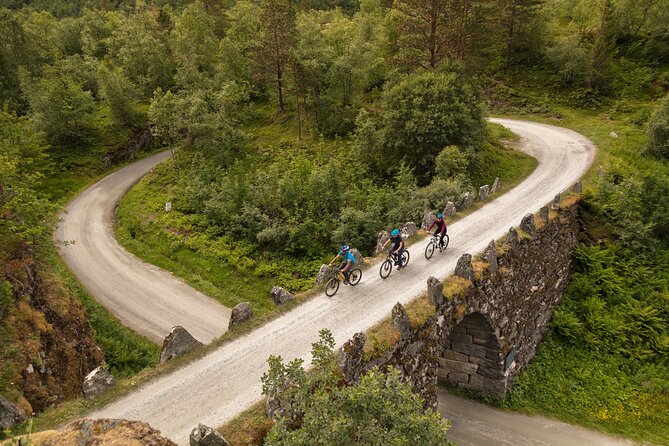
That does not mean you can switch off. You still need to control your speed and anticipate stops. The road is public, and the route may have buses close by. One person chose not to ride after discovering there was no shoulder or bike path, while another found drivers accommodating. Both points can be true: the road may feel manageable, but traffic remains a real consideration.
If you are a confident cyclist, the unguided format gives you welcome freedom. You can coast slowly, stop for photos, or take a little extra time at a viewpoint. If you are a nervous rider, stay conservative. Use your brakes early, keep to a predictable line, and do not let the downhill slope push you faster than feels comfortable.
This ride suits someone with moderate physical fitness and basic bike-handling skills. You do not need to be a racing cyclist, but you should be comfortable braking, steering, and sharing a road with vehicles. If you have not ridden for years, this is not the place to relearn everything from scratch.
Blåfjell and Kvandalls waterfall bring the first rewards
The route includes a viewpoint at the foot of Blåfjell mountain. This is a good early pause because it lets you settle into the bicycle before committing to the full descent. Take a moment to check your seat position and make sure your helmet and vest stay secure.
Kvandalls waterfall adds the sound and movement that make this road more than a simple downhill run. Waterfalls appear frequently around Geiranger, but stopping beside one during your own ride feels more immediate than looking at it through a vehicle window.
You should not feel pressured to rush past these places. The tour is only about two and a half hours, but the ride is designed around stops and photographs. The best part is often the rhythm: coast, brake, look, take a picture, then continue.
The exact amount of time you spend at each point depends on your group and the road conditions. Since there is no guide leading you along, agree with your companions before setting out about staying together or waiting at major stops.
Opplenskedalen Valley and Knuten slow the pace
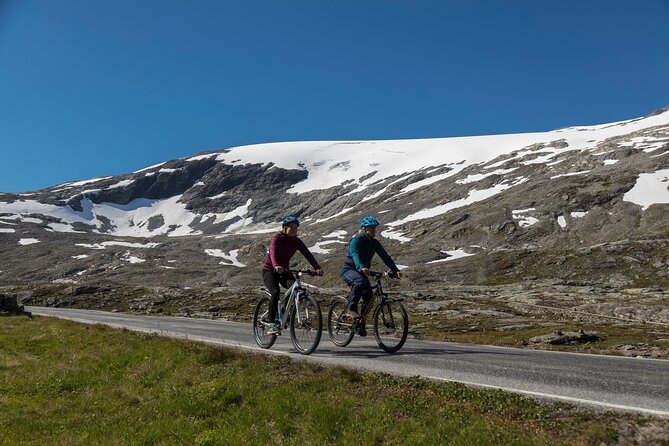
Opplenskedalen Valley gives you another reason to pause. The route moves through changing scenery, from the high lake area toward the fjord and lower valleys. You can watch the setting shift as the road descends, with more signs of settlement and water appearing along the way.
Knuten is another named stopping point. These stops are not separate guided visits with long explanations. Their value comes from having time to look around at your own speed. If you enjoy photography, this format is better than a tightly managed coach excursion because you are not forced back onto the vehicle after five minutes.
The tradeoff is that you miss the interpretation a guide might provide. There is no walking guide beside you explaining every bend, waterfall, or mountain. You get a short safety briefing and general tips, then the road becomes your route.
For some people, that is exactly the appeal. I like being able to stop when the light is good rather than when a schedule says it is time. Others may find the lack of a guide too bare-bones, especially at this price.
More fjord cruises:
- From Ålesund: Trollstigen Sightseeing Village & Fjord Tour
★ 4.4 · 651 reviews - Fjord Sightseeing Tour by Boat in Geiranger
★ 4.0 · 69 reviews - Guided kayak tour “The Seven Sister Tour” on the Geiranger Fjord – 4 h
★ 5.0 · 47 reviews - From Bergen: The Original Fjord Cruise to Mostraumen
★ 4.7 · 8,440 reviews
Flydalsjuvet is the grand finale
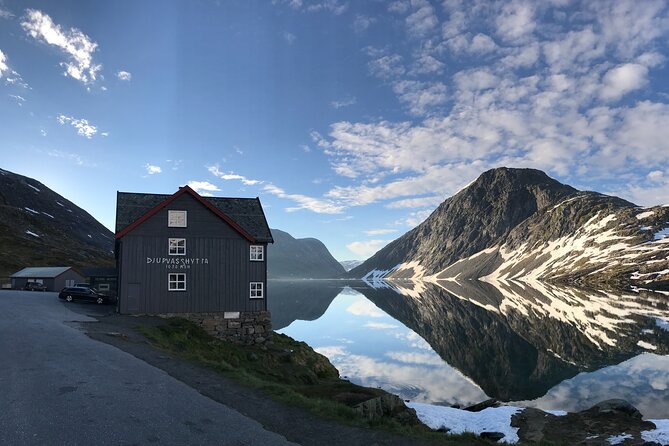
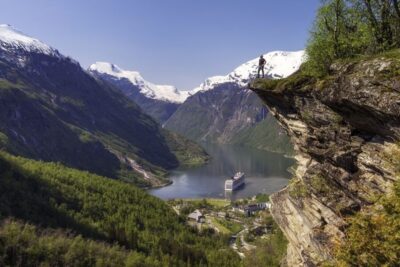
Flydalsjuvet is the best-known viewpoint on the route and the main photographic prize. The rocky gorge and broad Geiranger views create the kind of scene that explains why this road is famous.
Do not treat Flydalsjuvet as just another quick photo stop. If conditions are clear, give yourself time to take in the fjord, mountain walls, and road curling through the region below. Weather changes quickly in Norway, so a sunny day can make the ride feel completely different from a gray one.
The viewpoint also helps explain the tour’s appeal. You are not merely being driven to a lookout. You have arrived under your own power, after a long downhill run through the mountains. That small sense of achievement adds something a standard sightseeing transfer cannot provide.
You may also want to take photographs earlier in the route instead of saving everything for Flydalsjuvet. Stops at the lake, waterfall, valley, and Knuten give you different angles and a more complete feel for the descent.
The equipment deserves a careful inspection
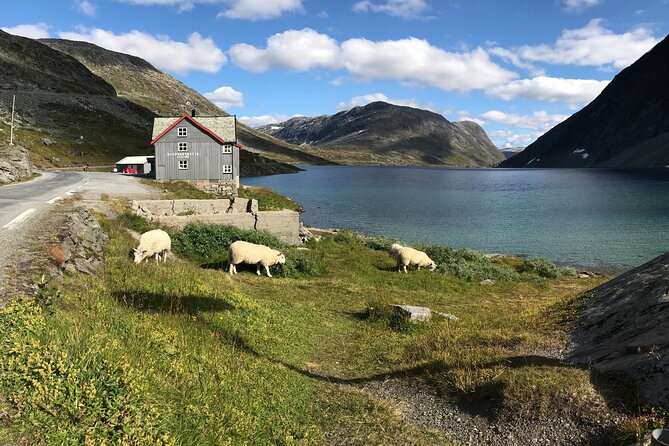
The included equipment is a clear benefit. A bicycle, helmet, gloves, and visibility vest save you the trouble of bringing or renting your own gear, and the vest helps make you more visible on the public road.
The feedback on equipment is not perfectly consistent. Several riders found the bikes excellent and easy to handle, while one detailed account reported poorly sized bikes, worn tires, a loose kickstand, sticky brakes, small helmets, and a badly damaged vest. That kind of difference is too important to ignore.
Before you leave Djupvatn, check these points:
- Squeeze both brake levers and make sure they stop the wheels smoothly.
- Test the saddle height and ask staff to adjust it if needed.
- Make sure the helmet sits securely and the straps are comfortable.
- Check that the kickstand stays folded while riding.
- Look at the tires and ask about a repair plan if you suffer a puncture.
You may not have mobile service at the top, so ask for the office phone number before setting off. One rider had trouble accessing email at the lake and could not get the number from the driver. That is an avoidable problem.
The provider has good equipment according to several accounts, but condition can vary from bike to bike. A two-minute inspection is sensible, not fussy.
What the $160.09 price really covers
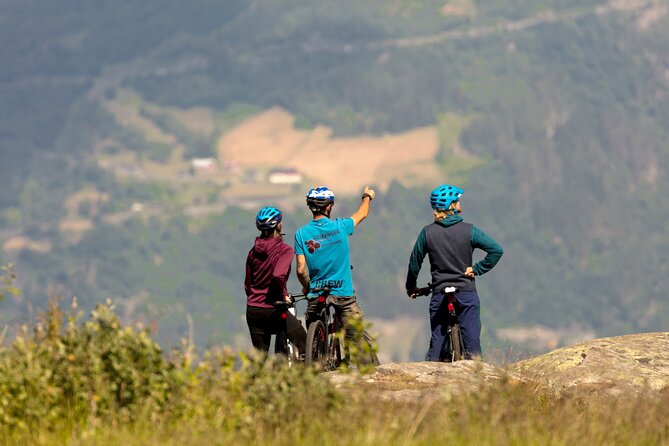
At $160.09 per person, this is not a cheap bicycle rental. The price includes the uphill vehicle transfer, bicycle, safety gear, instructions, and the chance to ride one of Norway’s most scenic roads.
It does not include a cycling guide, a private interpretation of the route, or a long list of organized stops. You are paying for access and logistics: someone gets you to the high starting point, supplies the bike, and leaves you free to descend.
I think the value depends on what you want. If you are visiting Geiranger on a limited schedule, especially from a cruise ship, the transport and ready-to-ride setup are useful. You can see a great deal in roughly two and a half hours without arranging mountain transport yourself.
If you regularly rent bikes and can organize your own route, the cost may feel high. One person considered the charge excessive because the activity was unguided, even though the scenery and ride were enjoyable. That is a fair criticism.
The maximum group size of six helps. You are not joining a large cycling line, and a small group can stop more easily. Still, the price is easiest to justify if the views and convenience matter more to you than formal guiding.
Who should book this downhill ride
I would recommend it to:
- Confident casual cyclists who want a scenic ride rather than a hard workout.
- Couples or small groups who like setting their own pace.
- Cruise passengers looking for an active shore excursion.
- Older riders who can handle a bicycle and prefer downhill riding to climbing.
- Photographers who want time for repeated stops.
- Anyone who wants a more physical way to see Geiranger than sitting in a vehicle.
I would be cautious if you dislike road traffic, have trouble braking on descents, or expect a guide to stay with you. The absence of a bike path is the main issue, not the physical effort.
Weather also matters. Rain, fog, or poor visibility can reduce both the views and your comfort on the road. The activity requires good weather, and if poor conditions force cancellation, you can choose another date or receive a full refund.
Practical details for a smoother ride
The activity lasts about two hours and 30 minutes, including the transfer and setup. It starts and ends at Geirangervegen 10, 6216 Geiranger, and mobile tickets are accepted. English is offered.
Wear clothing that lets you move and bring whatever you need for changing mountain conditions. The provided gloves and vest help, but the tour information does not promise extra clothing or rain protection. You should also keep your phone charged for photos and emergency contact, while remembering that service may be limited at the lake.
Do not expect a guided sightseeing talk throughout the descent. The drive up may include useful information, but the bike ride itself is without a guide. That arrangement lets you ride at your own speed, yet it also means you need to stay alert and make your own decisions.
The cancellation terms are friendly if your plans change early. You can cancel at least 24 hours before the start time for a full refund. Changes or cancellations inside that window are not accepted for a refund.
Should you book the Geiranger downhill bike adventure?
Book it if you want the great views with a little motion, freedom, and downhill fun. The ride gives you Djupvatn Lake, waterfalls, valleys, Knuten, and Flydalsjuvet in one compact outing. For many people, it becomes the highlight of a Geiranger visit.
Think twice if you expect a traditional guided bike tour or dislike sharing narrow roads with buses. Before paying $160.09, decide how much you value the transfer, included equipment, small group, and access to this route.
My advice is simple: book on a clear-weather day, inspect the bicycle before leaving the lake, ask for emergency contact details, and ride at a speed that leaves room for traffic and photographs. If those terms suit you, this is a memorable and active way to meet Geiranger.
FAQ
Where does the Geiranger downhill bike ride begin?
The activity begins at Geirangervegen 10, 6216 Geiranger, Norway. You are transported from there to Djupvatn Lake, the cycling start point.
How far do I ride?
The downhill route covers about 16 kilometers. The ride begins at Djupvatn Lake, about 1,030 meters above sea level, and continues toward Geiranger.
Is a guide present during the bike ride?
No. The downhill ride takes place without a guide. You receive equipment, safety instructions, and riding tips before setting off.
What equipment is included?
A bicycle, helmet, bicycle gloves, and visibility vest are included. Transportation in an air-conditioned vehicle is also provided.
Is the ride physically difficult?
A moderate level of physical fitness is recommended. Most of the route is downhill, although there is a small section that may require some uphill pedaling.
How many people can join the activity?
The maximum group size is six people.
What happens if the weather is poor?
The activity requires good weather. If it is canceled because of poor conditions, you are offered a different date or a full refund. You can also cancel at least 24 hours before the start time for a full refund.
More Downhill
- Oslo: Day Pass for Downhill Skiing at SNØ Ski Dome
★ 4.4 · 88 reviews
More Cycling Tours
- Oslo: 3-Hour Highlights Bike Tour
★ 4.8 · 1,609 reviews - Oslo Highlights Bike Tour
★ 5.0 · 979 reviews - The Grand Oslo Ride: E-bike Experience
★ 4.5 · 146 reviews - E-bike Tour in Geiranger, Norway
★ 4.8 · 81 reviews
Just added around Andalsnes
- Private tour Geiranger and Glaciers 1 to 15 people★ 5.0 · 4 reviews
- 3-Hour Kayak Tour in Åndalsnes★ 5.0 · 6 reviews
- Geiranger: Excursions.no Geiranger Highlights★ 3.5 · 19 reviews
- The Golden Train on Rauma Railway in Romsdalen★ 4.5 · 21 reviews
- City Sightseeing Geiranger Hop-On Hop-Off Bus Tour★ 3.0 · 34 reviews
- Guided kayak tour “The Seven Sister Tour” on the Geiranger Fjord – 4 h★ 5.0 · 47 reviews
- Via Ferrata Åndalsnes West Wall★ 5.0 · 65 reviews
- Fjord Sightseeing Tour by Boat in Geiranger★ 4.0 · 69 reviews
Fjord Cruises, compared.
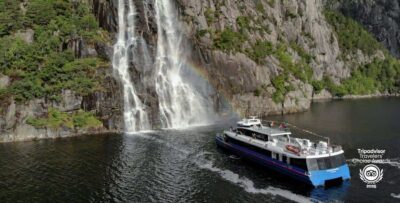
Scenic Fjord Cruise to Lysefjord and Preikestolen
Read our review →
Scenic Fjord Cruise with Audio Guide Commentary
Read our review →
Fjords and Sommarøy Islands Tour with Salmon Picnic
Read our review →
Dalsnibba, Flydalsjuvet, Eagle Bend & Fjords Tour
Read our review →
Arctic Fjord Cruise With Stop On Land At Fish Racks
Read our review →
Browse the lists this tour appears in